Why My Mercedes-Benz Suspension Feels Bouncy and Unstable

May 29, 2026

A Mercedes-Benz should feel controlled, calm, and planted. When it starts bouncing over dips, leaning more in turns, or feeling loose on the highway, the change is hard to ignore. The car may still drive, but it no longer feels like it is holding the road the way it should.


Suspension problems can come from several places, especially on Mercedes-Benz models with more advanced suspension systems. The key is determining whether worn shocks, struts, air suspension parts, bushings, tires, alignment, or a combination of these problems is causing the issue.


Worn Shocks Or Struts Can Change The Whole Ride


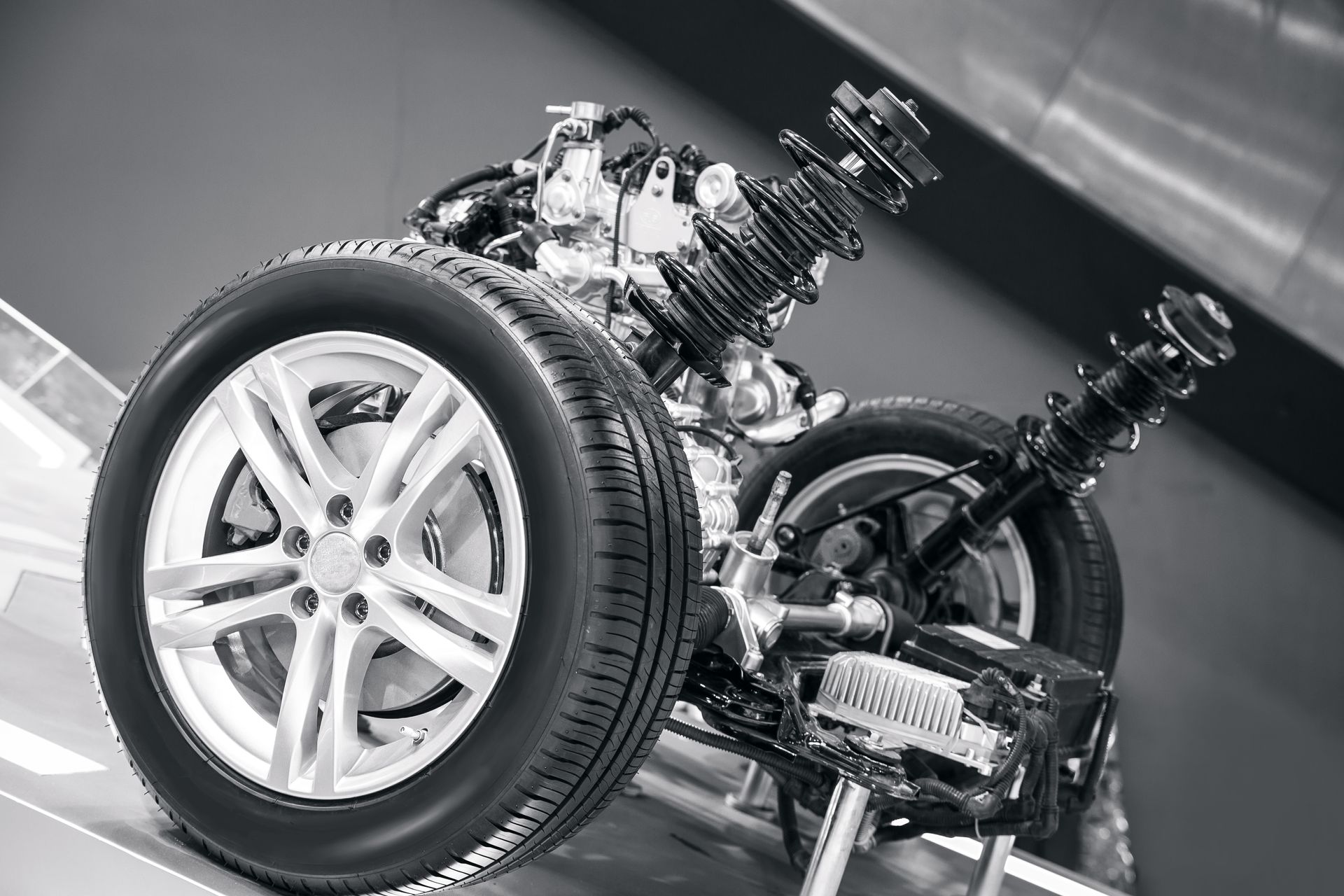
Shocks and struts control how the vehicle moves after the springs react to bumps. When they are weak, the car can keep bouncing after a dip instead of settling quickly. You might also feel the front end dive more during braking or the body roll more than normal in turns.


The change can sneak up because shocks and struts wear gradually. The ride gets floatier, the tires lose steady contact with the road, and the vehicle starts feeling less precise. On a Mercedes-Benz, that loss of control is especially noticeable because the car is designed to feel composed.


Air Suspension Problems Can Make The Car Sit Or Ride Wrong


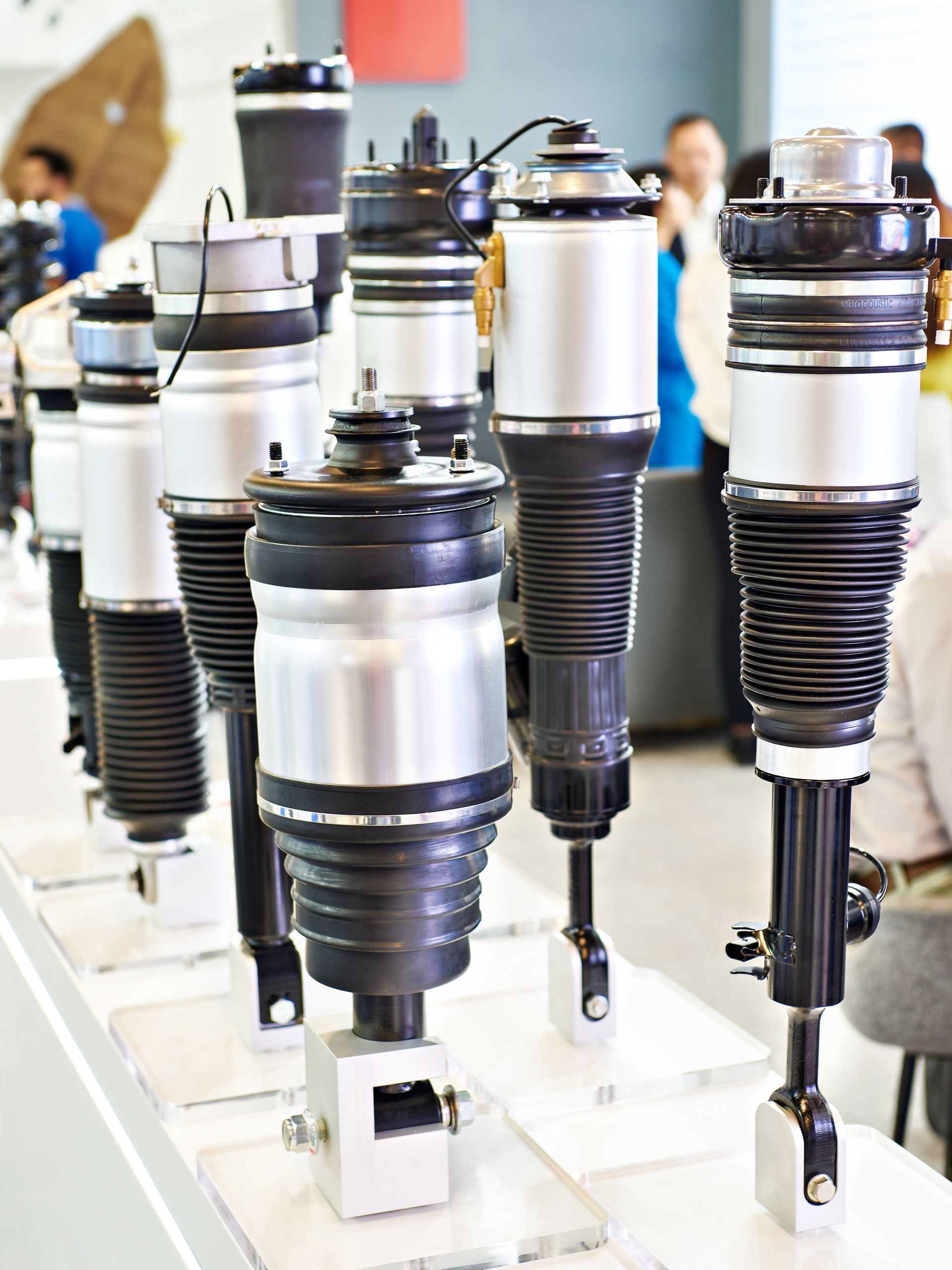
Some Mercedes-Benz models use air suspension, which adds another layer to the repair process. Air springs, compressors, valve blocks, lines, sensors, and control modules all need to work together to keep the vehicle at the proper height and ride quality. When one part begins to fail, the car can sag, ride unevenly, or feel unstable.


A common clue is one corner sitting lower than the others after the car has been parked. Another is a compressor that seems to run too much. Our technicians look at ride height, leak points, compressor operation, and suspension codes before recommending a repair, because guessing with air suspension can get expensive quickly.


Control Arms And Bushings Can Make The Car Feel Loose


A bouncy ride is not always caused solely by the dampers. Control arm bushings, ball joints, sway bar links, and mounts all help keep the wheels positioned correctly. When these parts wear, the suspension can move in ways it should not.


That can show up as clunking over bumps, vague steering, uneven tire wear, or a car that feels unsettled when changing lanes. Mercedes-Benz suspension parts are built for comfort and control, but worn rubber bushings can take away both. Once looseness starts, alignment can shift under load rather than remain consistent.


Tires And Alignment Can Make Suspension Symptoms Worse


Tires play a bigger role in ride quality than many drivers realize. Uneven tire wear, low pressure, old tires, or a damaged tire can make the vehicle feel rough, bouncy, or unstable. If the alignment is off, the car may pull or wander, or wear tires in patterns that worsen the ride over time.


A suspension repair should include a thorough inspection of the tires. If the tread is cupped or uneven, worn shocks, struts, or suspension joints may be to blame. Replacing tires without addressing the cause can lead to the same wear pattern recurring.


Warning Signs Drivers Should Not Ignore


A Mercedes-Benz suspension problem does not always announce itself with one loud sound. Small changes in ride and handling can tell you plenty if you pay attention.


  • The car keeps bouncing after bumps
  • One corner sits lower than the others
  • The steering feels loose at highway speed
  • The front end dives during braking
  • The vehicle clunks, creaks, or knocks over rough roads
  • The tires are wearing unevenly


Any of these signs deserves an inspection. A single worn part can affect how the rest of the suspension, steering, and tires behave.


Why Waiting Can Make The Repair Grow


Suspension parts work as a system. A weak strut can create tire wear. A worn bushing can affect alignment. A sagging air spring can overwork the compressor. A loose ball joint can change steering feel and create safety concerns. Waiting gives those connected parts more time to wear each other down.


Regular maintenance helps catch early suspension wear before the vehicle feels unstable. If the ride has already changed, we check the full suspension instead of focusing on one part too quickly. That is the only way to tell whether the problem is mechanical, air-related, alignment-related, or tire-related.


Get Mercedes-Benz Suspension Repair In Oceanside, CA, With German Autowerke Inc.


If your Mercedes-Benz feels bouncy, unstable, uneven, or loose on the road, German Autowerke Inc. in Oceanside, CA, can inspect the suspension and find the cause.


Bring it in before a worn suspension part starts affecting ride quality, tire life, and control.

Dealer vs Independent German Repair Shop | German Autowerke Inc.
July 6, 2026
German Autowerke Inc. in Oceanside, CA, explains Dealer vs Independent German Repair Shop: What’s the Difference — and Why It Matters for Your BMW, Mercedes, VW, Audi, or Porsche
July 2, 2026
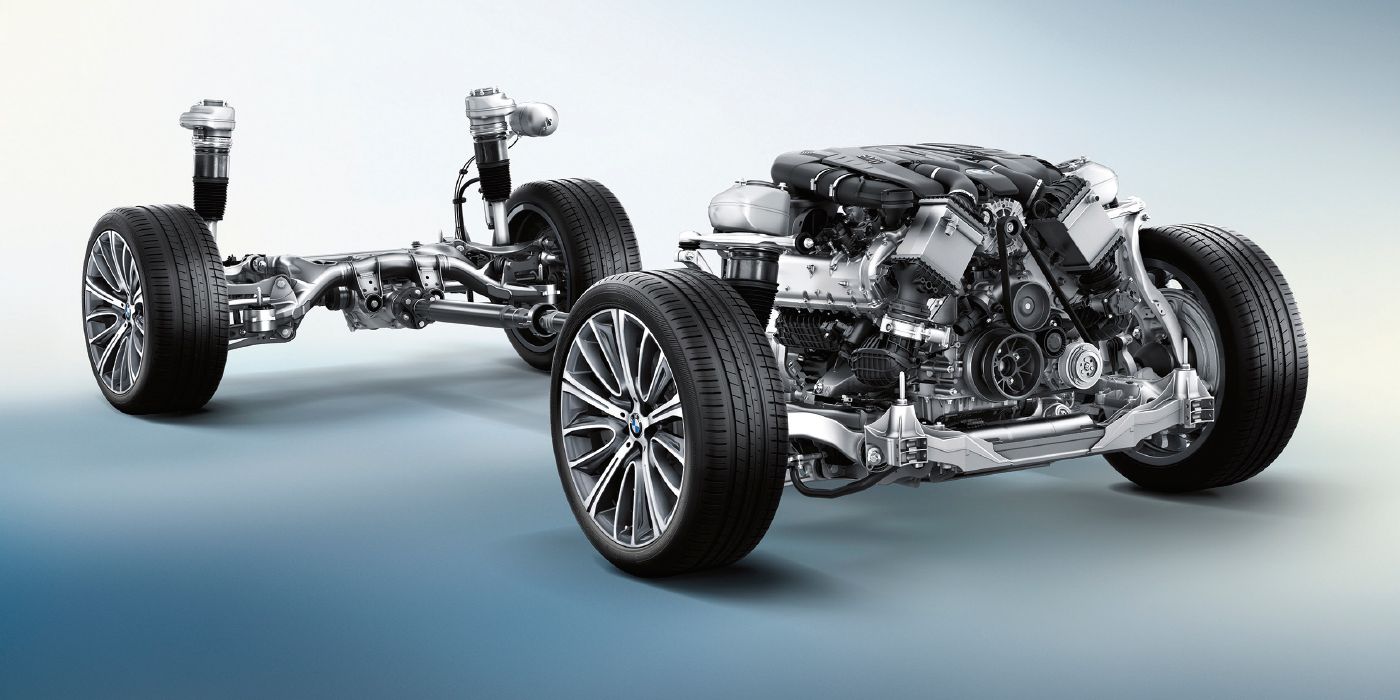
BMW vehicles are known for delivering a smooth ride and precise handling, but those qualities depend heavily on the condition of the suspension system. Over time, suspension components such as control arms and bushings wear out, leading to vibrations, clunking noises, uneven tire wear, and reduced driving comfort. Because BMW suspension systems are engineered for performance, even minor wear can noticeably affect ride quality and handling. What Are Control Arms and Bushings? Control arms connect the wheel assembly to the vehicle's chassis and help keep the wheels properly aligned as the suspension moves. Bushings are rubber or hydraulic mounts installed within the control arms and other suspension components. Their job is to absorb road vibrations, reduce noise, and allow controlled movement within the suspension system. When either component begins to wear, the vehicle may no longer handle or ride as BMW intended. Common Symptoms of BMW Suspension Wear Clunking or Knocking Noises A worn control arm bushing or ball joint can create a clunking noise when driving over bumps, potholes, or uneven roads. Steering Wheel Vibrations If you feel vibration through the steering wheel, especially at highway speeds or while braking, worn suspension components may be affecting wheel stability. Uneven Tire Wear Damaged bushings can allow unwanted suspension movement, causing alignment changes that lead to premature tire wear. Loose or Wandering Steering Many drivers describe worn suspension components as making the vehicle feel less responsive or stable, particularly during turns or lane changes. Rough Ride Quality As bushings deteriorate, they lose their ability to absorb vibrations and road impacts, resulting in a harsher driving experience. Which BMW Suspension Components Wear Most Often? Several suspension components commonly wear over time, including: ● Front control arm bushings ● Rear control arm bushings ● Thrust arm bushings ● Ball joints ● Sway bar links ● Strut mounts BMW models such as the 3 Series, 5 Series, X3, and X5 commonly experience control arm and bushing wear between 60,000 and 120,000 miles, although driving conditions, road quality, and maintenance habits can significantly affect service life. Why Do BMW Control Arms and Bushings Fail? While suspension wear is a normal part of vehicle ownership, several factors can accelerate deterioration: ● High mileage ● Rough roads and potholes ● Aggressive driving ● Aging rubber components ● Exposure to heat and environmental conditions Over time, bushings can crack, split, or lose their elasticity, while ball joints may develop excessive play. What Happens If Suspension Wear Is Ignored? Driving with worn suspension components can affect more than ride comfort. Ignoring suspension issues may lead to: ● Accelerated tire wear ● Poor handling performance ● Reduced braking stability ● Increased stress on other suspension parts ● More expensive repairs in the future Addressing worn control arms and bushings early can often prevent additional damage and help maintain proper vehicle performance. How Suspension Repairs Restore Ride Quality Replacing worn control arms and bushings can dramatically improve how a BMW feels on the road. Many drivers notice: ● Smoother ride quality ● Improved steering response ● Better vehicle stability ● Reduced road noise and vibration ● More even tire wear Because suspension components work together as a system, a thorough inspection is often recommended whenever suspension-related symptoms are present. Trust German Autowerke for BMW Suspension Repairs If your BMW is making clunking noises, experiencing steering vibrations, or simply doesn't ride as smoothly as it once did, worn suspension components may be the cause. At German Autowerke, our experienced technicians specialize in diagnosing and repairing BMW suspension systems. We can identify worn control arms, bushings, ball joints, and other suspension components before they lead to more extensive issues. Whether you're dealing with a rough ride, uneven tire wear, or handling concerns, our team can help restore the comfort, stability, and driving performance your BMW was designed to deliver. Schedule a suspension inspection with German Autowerke today and keep your BMW driving at its best.
Porsche Over-Rev Reports: What Buyers Need to Know | German Autowerke Inc.
June 29, 2026
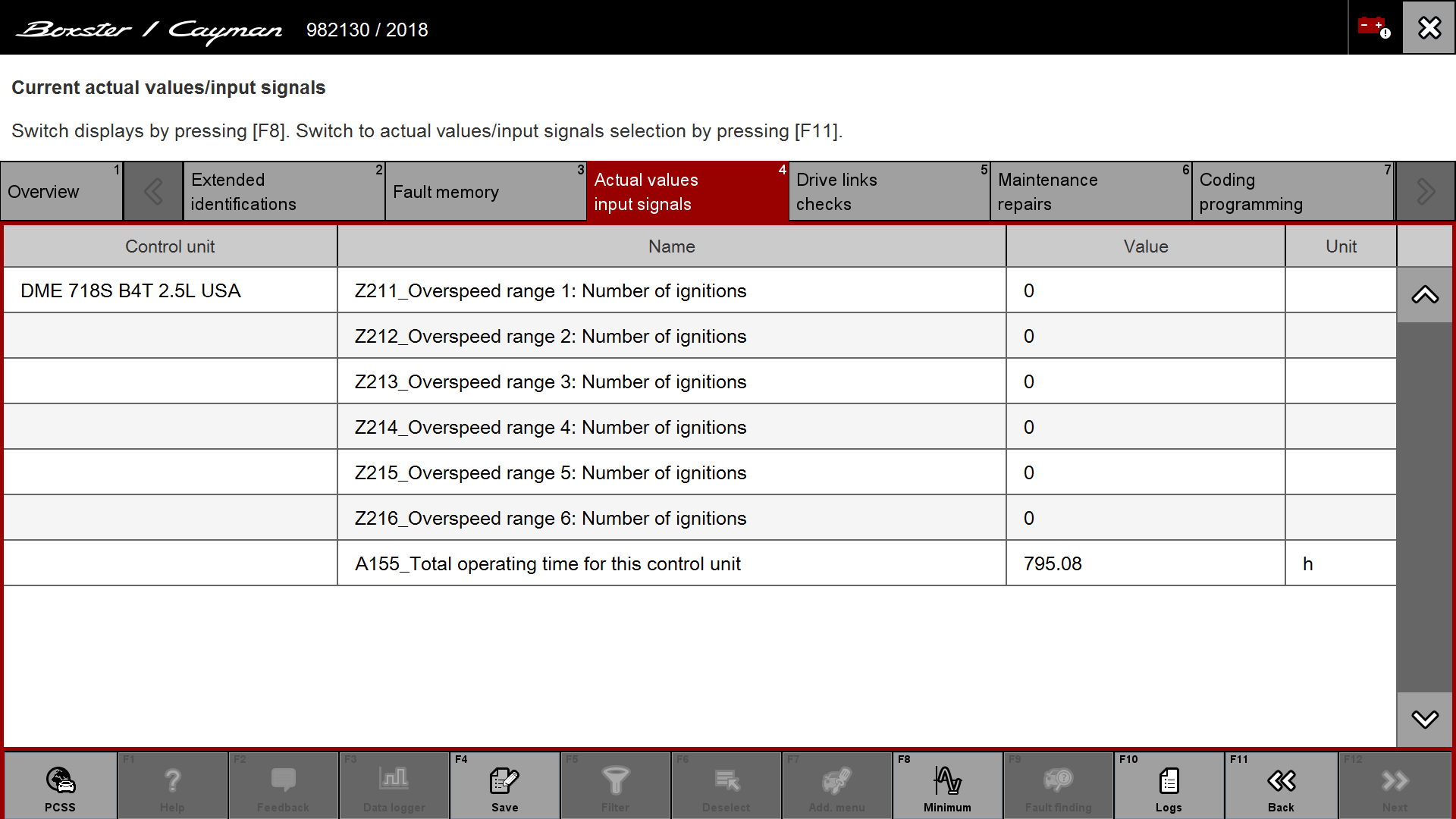
German Autowerke Inc. in Oceanside, CA, explains common Porsche Over-Rev Reports: What Buyers Need to Know
10 Most Popular German SUVs In America And Why Drivers Keep Choosing Them | German Autowerke Inc.
June 26, 2026
German Autowerke Inc. in Oceanside, CA, highlights popular German SUVs and why drivers keep choosing them.
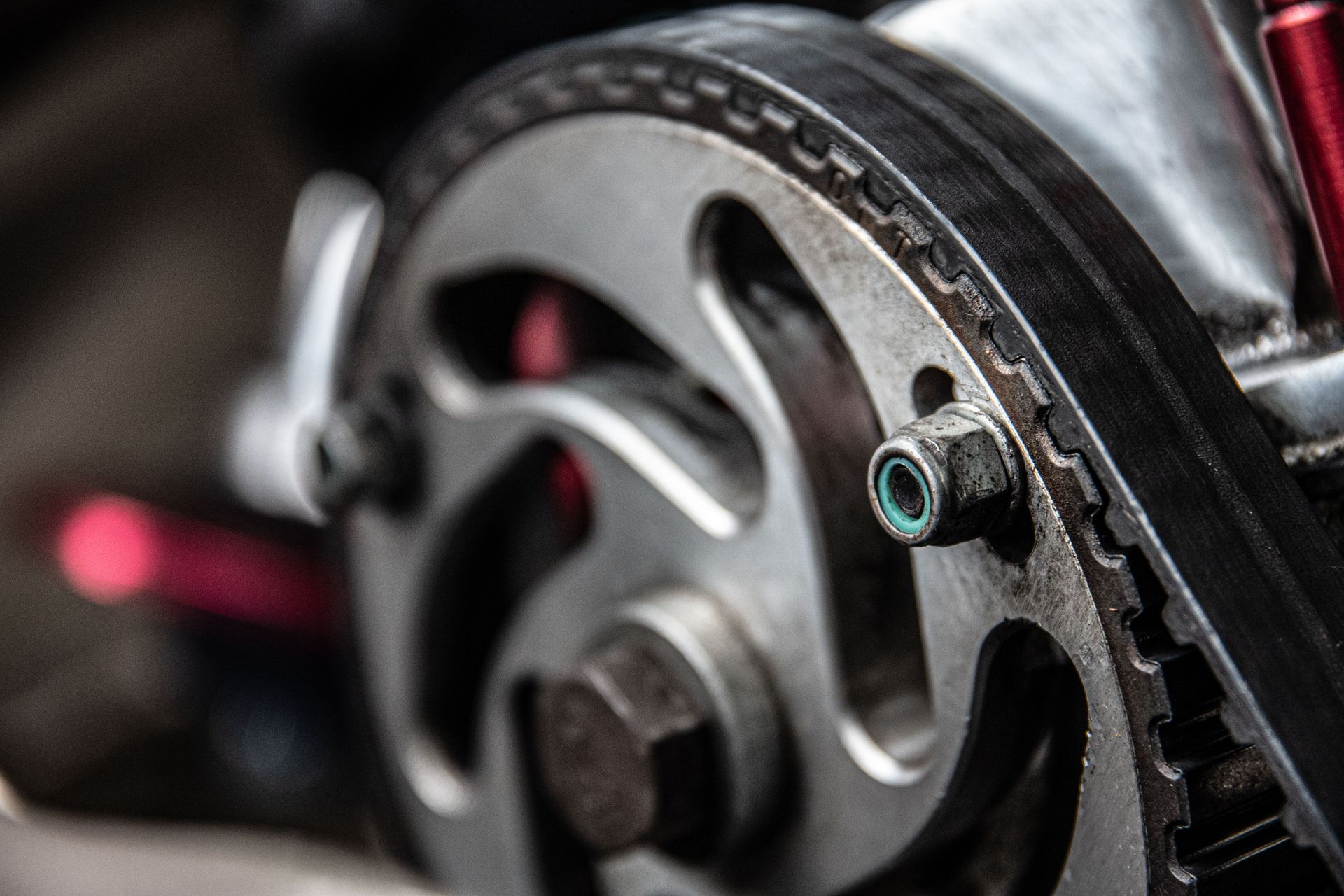
Close-up of a car engine timing belt and pulley mechanism with metallic components
June 23, 2026
Learn which models are prone to BMW timing chain problems, common warning signs like engine rattles, and how to prevent damage from German Autowerke in Oceanside.
Why BMW Electric Water Pumps Fail — and How to Prevent Overheating | German Autowerke Inc.
May 16, 2026
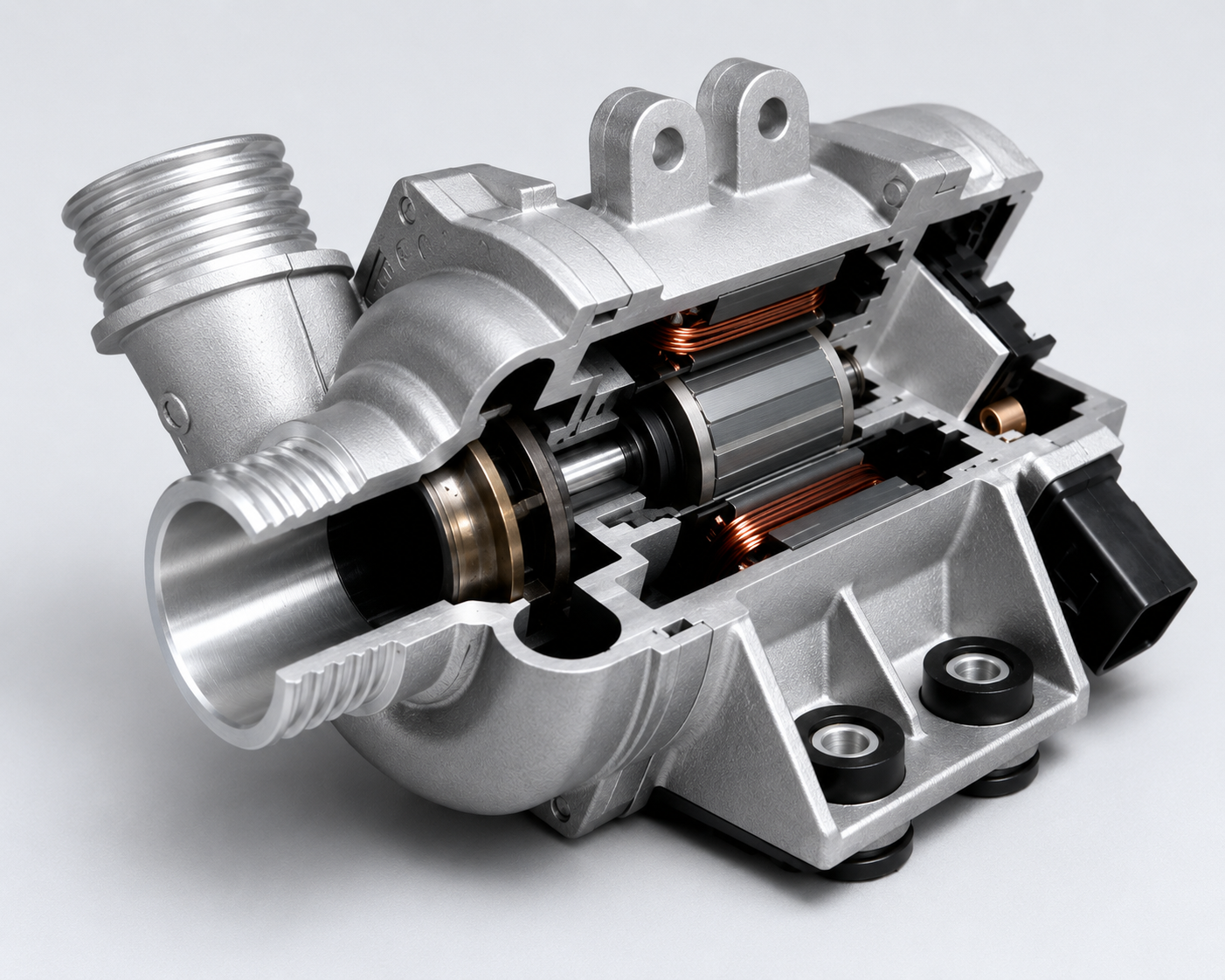
German Autowerke Inc. in Oceanside, CA, explains common BMW overheating problems owners should never ignore.
7 Common Porsche Problems Owners Should Never Ignore | German Autowerke Inc.
April 30, 2026
German Autowerke Inc. in Oceanside, CA, explains common Porsche problems owners should never ignore.
5 Most Common Air Suspension Issues We Fix On Modern German Vehicles | German Autowerke Inc.
March 27, 2026
German Autowerke Inc. in Oceanside, CA, explains five common air suspension issues on modern German vehicles and what symptoms to watch.
Does BMW Transmission Fluid Need To Be Changed? | German Autowerke Inc.
March 13, 2026
German Autowerke Inc. in Oceanside, CA, highlights popular questions if BMW Transmission Fluid Need To Be Changed.
6 Clues of Suspension Issues That Lead To Wheel Alignment Trouble | German Autowerke Inc.
February 27, 2026
German Autowerke Inc. in Oceanside, CA, shares suspension clues that affect alignment and how a precision rack restores straight tracking.