Why BMW Electric Water Pumps Fail — and How to Prevent Overheating
BMW vehicles are known for delivering a smooth driving experience, responsive handling, and performance-focused engineering. However, many 2006–2016 BMW models equipped with N51, N52, N54, N55, N20, and N26 engines are also known for electric water pump failures as mileage increases. Southern California traffic, extended idle times, and higher operating temperatures can place additional stress on BMW cooling systems over time.
Unlike traditional mechanical water pumps found in older vehicles, many modern BMW models use electric water pumps designed to improve efficiency and cooling performance. While these systems offer several advantages, they are also known to fail over time, without much warning.
At German Autowerke, we regularly diagnose BMW cooling system problems ranging from minor coolant leaks to complete overheating situations. Understanding the warning signs early can help prevent major engine damage and significantly reduce repair costs.
Common Symptoms of BMW Electric Water Pump Failure
At German Autowerke, we commonly see BMWs arrive with intermittent overheating warnings for weeks before complete water pump failure occurs. Many customers first notice the radiator fan running at maximum speed even during normal driving.
Many BMW drivers notice symptoms before complete failure occurs. Common warning signs include:
- Engine overheating warnings
- Cooling fan running excessively loud
- Temperature fluctuations while driving
- Coolant leaks underneath the BMW
- Reduced engine performance
- Check engine light illumination
- Vehicle entering limp mode
- Steam coming from the engine bay
- Low coolant warnings appearing on the dashboard
In many cases, the water pump may begin failing intermittently before completely stopping operation.
What Causes BMW Electric Water Pump Failure?
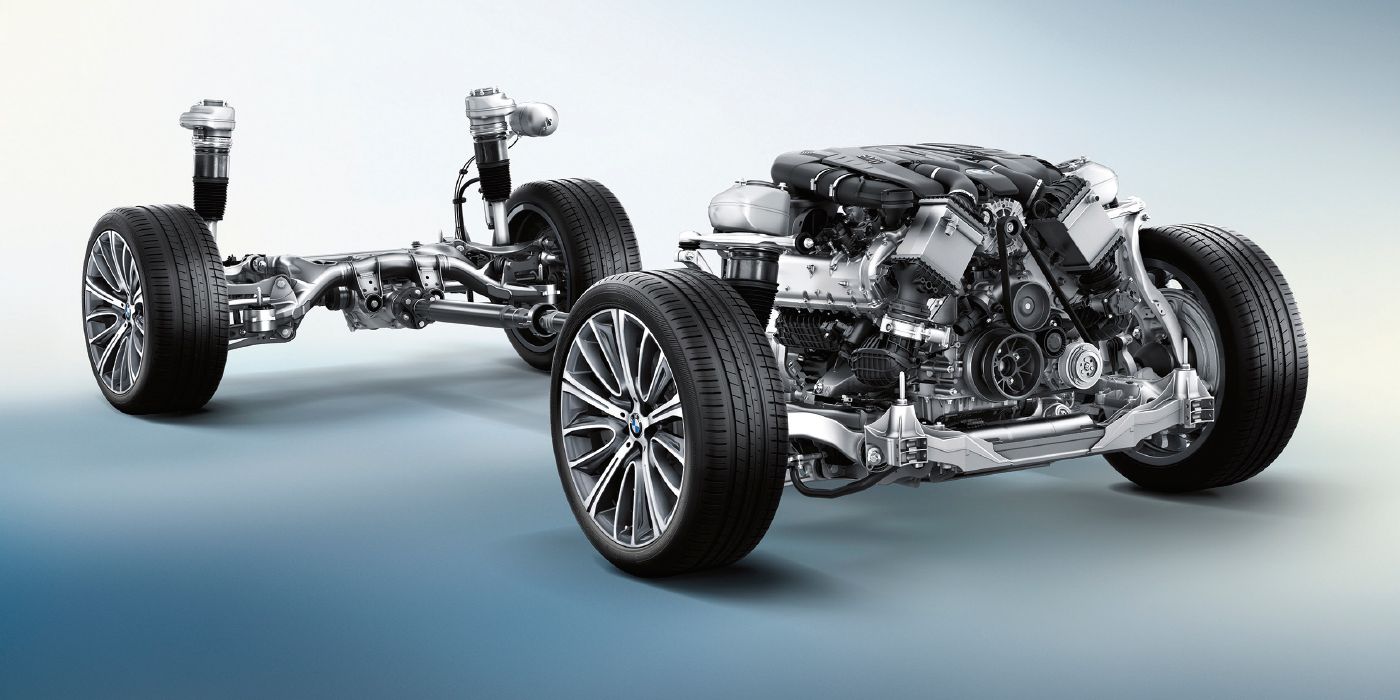
BMW electric water pumps operate differently than traditional belt-driven pumps. Instead of relying on engine speed, they use an electronic motor to circulate coolant throughout the engine.
Over time, the internal electronic components and motor begin wearing down due to constant heat exposure and cooling cycles.
Unlike traditional mechanical pumps, BMW electric water pumps can fail electronically without leaking coolant externally.
Several factors contribute to failure:
Heat Stress
German engines typically operate at higher temperatures to improve efficiency and performance. Constant heat exposure places significant stress on electrical components.
Age and Mileage
As BMW vehicles accumulate mileage, cooling system components naturally wear down. Many electric water pumps begin experiencing problems as vehicles age.
Cooling System Contamination
Old coolant or contaminated cooling systems can increase wear inside the pump and surrounding components.
Electrical Component Failure
Because the pump relies on electronics, internal circuit failures can occur unexpectedly.
Why Cooling System Problems Are Common on German Vehicles
German manufacturers prioritize performance, efficiency, and precise engine management. Modern BMW engines are designed with advanced cooling systems that help regulate temperature more accurately.
While these systems improve overall performance, they also involve more complex electronics and components compared to traditional cooling systems.
BMW cooling systems often include:
- Electric water pumps
- Electronic thermostats
- Multiple coolant sensors
- Plastic cooling system components
- Advanced engine temperature management software
Because these systems work together closely, a single failure can quickly affect the entire cooling system.
This is one reason why proper diagnostics are critical when dealing with German vehicle repairs.
What Happens If You Ignore the Problem?
Ignoring cooling system warnings on a BMW can lead to severe engine damage.
Overheating is one of the fastest ways to damage a German engine. Continued driving after temperature warnings appear may result in:
- Warped cylinder heads
- Head gasket failure
- Engine oil contamination
- Turbocharger damage
- Cracked cooling components
- Complete engine failure
Many major engine repairs begin as smaller cooling system problems that were delayed too long.
Addressing the issue early is almost always less expensive than waiting for a breakdown.
How We Diagnose BMW Cooling System Problems
At German Autowerke, our diagnostic process focuses on identifying the root cause instead of simply replacing parts unnecessarily.
When diagnosing BMW cooling system issues, our technicians perform:
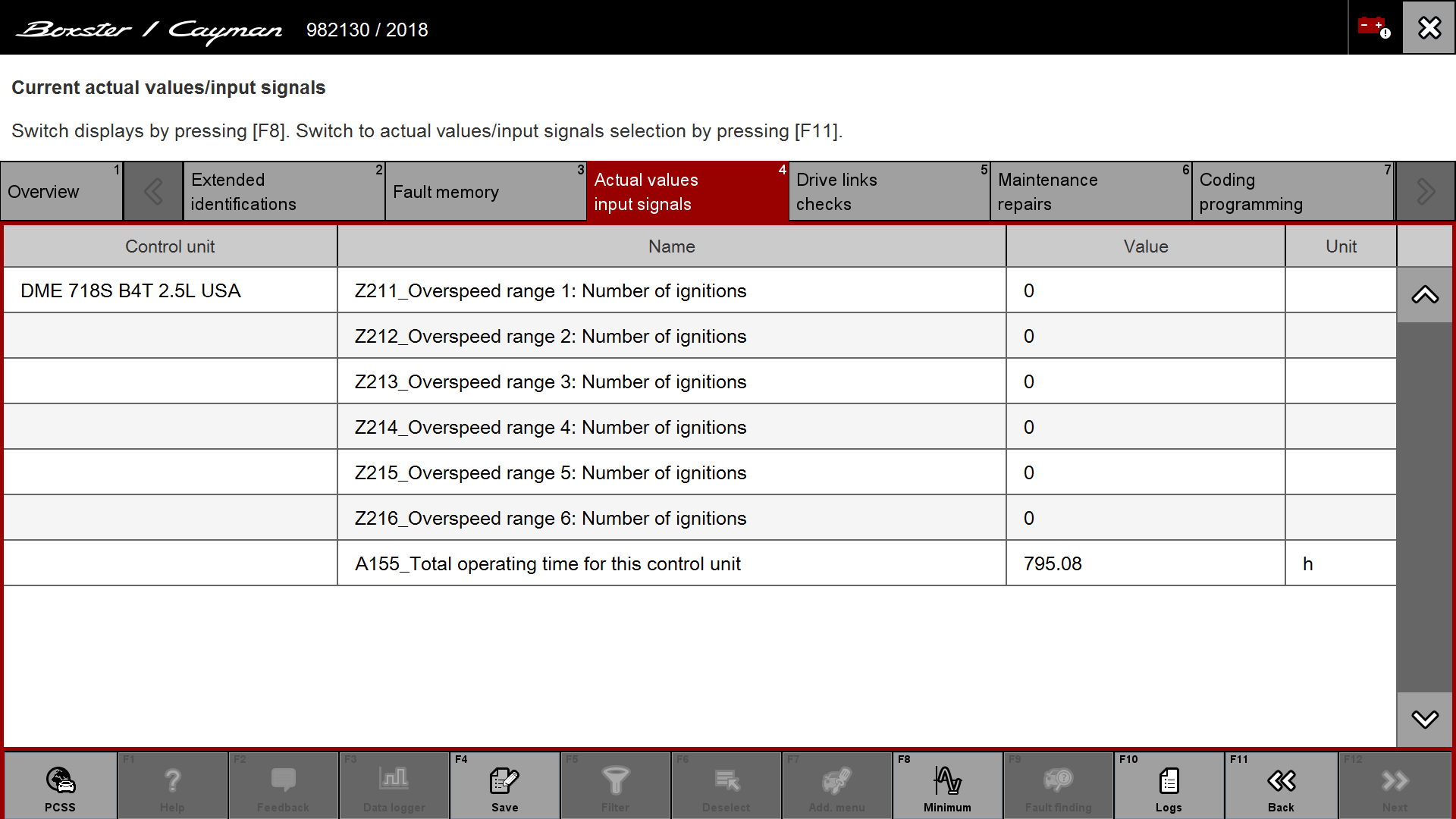
- Full system scans using manufacturer-level diagnostic equipment
- Cooling system pressure testing
- Temperature monitoring
- Leak inspections
- Thermostat operation testing
- Cooling fan testing
- Road testing when necessary
Because multiple components can trigger similar symptoms, proper diagnostics are extremely important.
For example, a thermostat issue, coolant leak, or failing sensor may create symptoms similar to a failing electric water pump.
Our goal is to ensure the correct repair is performed the first time.
The BMW Water Pump Repair Process
Once the problem is confirmed, repairs typically involve replacing the failed water pump along with related cooling system components when necessary.
At German Autowerke, we use high-quality OEM or OE-quality parts designed specifically for German vehicles.
Depending on vehicle condition and mileage, repairs may also include:
- Thermostat replacement
- Coolant hose replacement
- Coolant system service
- Cooling system bleeding procedures
- Inspection of surrounding components
After repairs are completed, the cooling system is thoroughly tested to ensure proper operation and reliability.
Preventive Maintenance Can Help Avoid Major Repairs
Routine cooling system inspections are one of the best ways to reduce long-term ownership costs on BMW vehicles.
Many cooling system failures begin with minor symptoms that can be identified early during routine maintenance.
Preventative maintenance recommendations may include:
- Routine coolant inspections
- Scheduled coolant services
- Monitoring operating temperatures
- Inspecting hoses and cooling components
- Addressing warning lights immediately
- Performing regular vehicle inspections
Staying proactive can help prevent emergency breakdowns and expensive engine repairs.
Why BMW Owners in Oceanside Choose German Autowerke
German Autowerke proudly serves BMW owners throughout Oceanside and North County San Diego with specialized German auto repair and diagnostics.
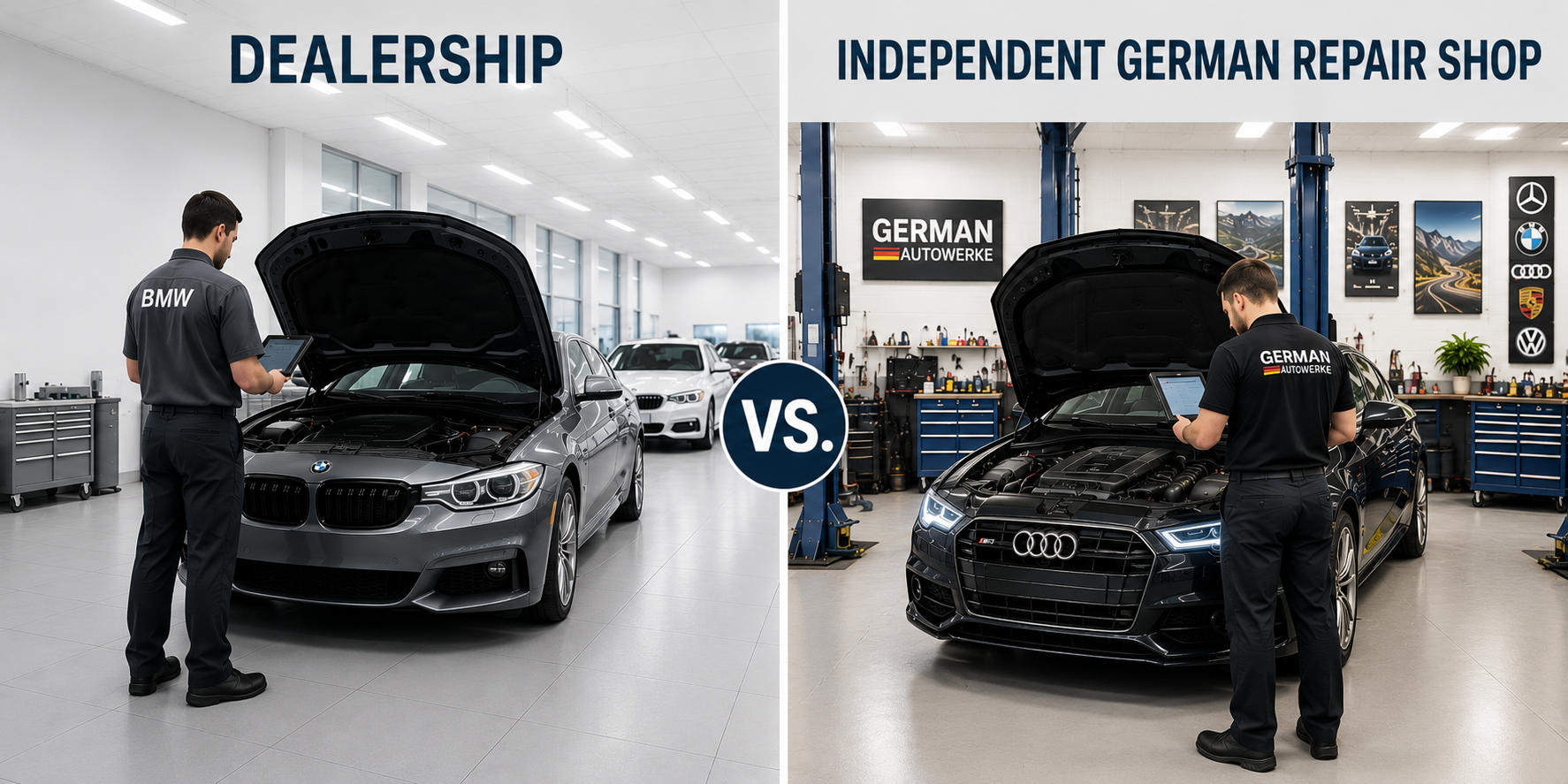
Our team focuses exclusively on BMW, Mini, Mercedes-Benz, Audi, Porsche, and Volkswagen vehicles, allowing us to properly diagnose and repair complex German vehicle problems efficiently.
Unlike many general repair facilities, we use specialized diagnostic equipment, manufacturer-level repair procedures, and quality parts designed specifically for European vehicles.
We also stand behind our repairs with a 4-year / 40,000-mile warranty, helping provide confidence and long-term reliability for our customers.
Whether your BMW is experiencing overheating issues, coolant leaks, warning lights, or drivability concerns, early diagnosis can help prevent larger repairs later.
Frequently Asked Questions
What BMW models have electric water pumps?
BMW electric water pump failures are most commonly seen on models equipped with N51, N52, N54, N55, N20, and N26 engines, including many 1 Series, 3 Series, 4 Series, 5 Series, 6 Series, 7 Series, X1, X3, X4, X5, X6, and Z4 models. Newer BMW engines may still use auxiliary electric coolant pumps, but many returned to a mechanical primary water pump design.
How much does a BMW electric water pump repair usually cost?
Repair costs can vary depending on the BMW model, surrounding component condition, and whether additional cooling system repairs are needed.
Can I continue driving if my BMW shows an overheating warning?
It is not recommended. Continuing to drive an overheating BMW can quickly lead to severe engine damage. BMW’s failsafe systems may help reduce the risk of damage temporarily, but the vehicle should be stopped safely as soon as possible and inspected before continued driving.
What are common BMW water pump fault codes?
2E81 – Electric coolant pump, speed deviation
2E82 – Electric coolant pump, shutdown
2E83 – Electric cooling pump, low-power mode
2E84 – Electric cooling pump communication fault
How common are electric water pump failures on BMW vehicles?
Electric water pump failures are one of the more common cooling system repairs seen on many modern BMW models as mileage increases. We commonly see BMW electric water pumps failing between 60,000 and 100,000 miles, although driving habits, climate, and maintenance history can affect lifespan.
Should the thermostat be replaced with the water pump?
In many cases, replacing related cooling system components together can help improve long-term reliability and reduce repair visits.
How often should BMW cooling systems be inspected?
Cooling systems should be inspected regularly during routine maintenance visits, especially as the vehicle ages.
Schedule a BMW Cooling System Inspection
If your BMW is showing overheating warnings, coolant leaks, or cooling system symptoms, addressing the issue early can help prevent major engine repairs.
German Autowerke proudly provides specialized BMW repair, diagnostics, and preventive maintenance for drivers throughout Oceanside and North County San Diego.
Schedule an inspection with German Autowerke today.