10 Most Popular German SUVs In America And Why Drivers Keep Choosing Them
German SUVs have become a big part of the American luxury market because they blend comfort, technology, performance, and everyday usefulness in one package. Drivers want something that feels refined on the highway, practical during the week, and confident enough for family trips, bad weather, and long commutes.
BMW, Porsche, Audi, and Mercedes all approach SUVs a little differently. Some models lean sporty, some focus on comfort, and others sell because they feel like a smart middle ground. The common thread is that owners expect these vehicles to feel premium, which means maintenance cannot be treated as an afterthought.
1. BMW X5
The BMW X5 remains one of the most familiar German luxury SUVs on American roads. Drivers like it because it feels strong, comfortable, and more athletic than many vehicles of its size. It works well for families, commuters, and people who still want a vehicle that feels sharp from behind the wheel.
As the miles add up, the X5 needs careful attention to oil leaks, cooling system parts, suspension wear, brakes, and electronic systems. It is a capable SUV, but it rewards owners who stay ahead of service instead of waiting for warning lights.
2. BMW X3
The BMW X3 is popular because it gives drivers a smaller, easier-to-park SUV without losing the feel people expect from BMW. It has enough room for daily use, but it still feels responsive and balanced compared with many compact SUVs.
Common service needs can include oil service, coolant leaks, transfer case concerns, worn control arm bushings, and brake wear. A well-maintained X3 can be a great daily driver, but skipping regular maintenance can make repairs show up faster than owners expect.
3. BMW X1
The BMW X1 appeals to drivers who want a luxury badge, useful cargo space, and city-friendly size. It is not as large as the X3 or X5, which makes it easier to live with for drivers who do not need a larger SUV.
Because it is often used for short trips and daily errands, oil service, tires, brakes, and battery health deserve attention. Smaller German SUVs still use complex systems, so basic neglect can create the same expensive problems seen on larger models.
4. Mercedes-Benz GLC
The Mercedes-Benz GLC is one of the most popular choices for drivers who prioritize comfort. It feels quiet, polished, and easy to drive, which is why it works well for commuting, family use, and longer trips.
Owners should watch for brake wear, suspension noise, coolant leaks, oil leaks, and electrical warnings. The GLC can mask early problems well, so the cabin stays refined. Small changes in ride quality or warning messages should not be ignored.
5. Mercedes-Benz GLE
The Mercedes-Benz GLE gives drivers more size, comfort, and presence than the GLC. Many owners choose it because it feels substantial without becoming too difficult to drive every day.
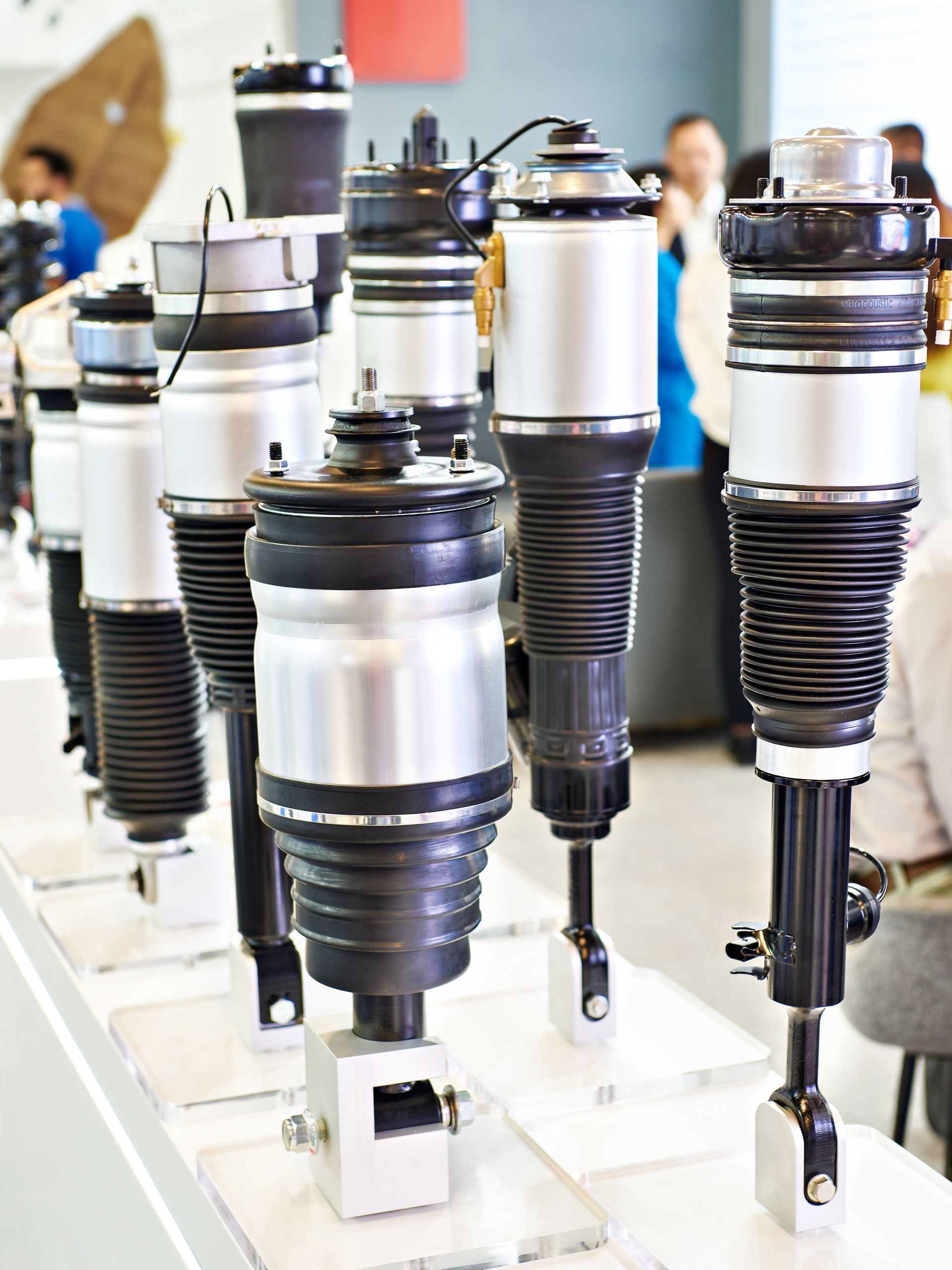
With more weight and more technology, service becomes even more important. Tires, brakes, air suspension on equipped models, cooling system components, and electronic features should be checked before symptoms stack up. A proper inspection can catch wear before it starts affecting ride quality and safety.
6. Mercedes-Benz GLS
The GLS is popular with drivers who want three-row space, luxury comfort, and road-trip ability. It is often chosen by families who want room without giving up the feel of a premium vehicle.
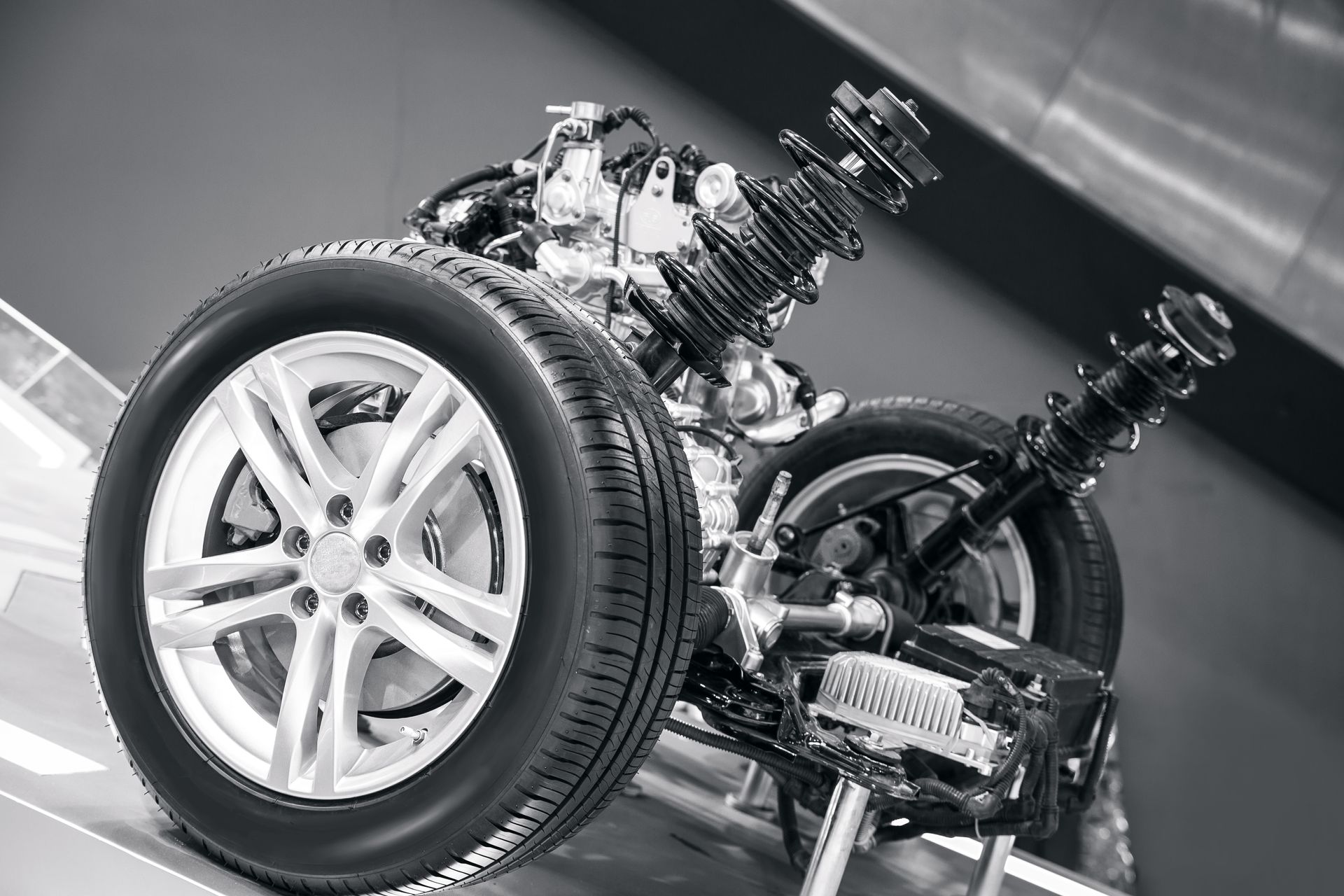
Larger SUVs place more demand on brakes, tires, suspension, and cooling systems. When a GLS starts leaning, clunking, riding harshly, or wearing tires unevenly, the problem deserves quick attention. Delaying repairs on a heavy luxury SUV usually makes the repair list longer.
7. Audi Q5
The Audi Q5 has a strong following because it feels practical, refined, and easy to drive in a wide range of conditions. It is a common choice for drivers who want a compact luxury SUV with confident handling and a clean interior layout.
Common service concerns can include oil leaks, coolant leaks, carbon buildup on some engines, ignition problems, suspension wear, and electrical faults. The Q5 is enjoyable when maintained well, but it does not respond well to ignored leaks or overdue service.
8. Audi Q7
The Audi Q7 appeals to drivers who need more space but still want a European road feel. It offers family-friendly seating, premium comfort, and a stable highway ride.
Because the Q7 is larger and more complex, maintenance should include close attention to brakes, suspension, tires, fluid leaks, cooling parts, and electrical systems. A small front-end noise or coolant smell can become more expensive if the vehicle keeps being driven without service.
9. Audi Q3
The Audi Q3 is popular with drivers who want a smaller luxury SUV that still feels upscale. It is easier to park and navigate traffic, but it offers owners more comfort and technology than many basic compact SUVs.
Its size does not make it maintenance-free. Oil service, brakes, tires, battery condition, filters, and warning lights still need proper attention. For many owners, the Q3 is a first step into German luxury vehicles, and learning the right service habits early makes ownership much easier.
10. Porsche Macan
The Porsche Macan keeps drawing drivers because it feels more like a sports sedan than a typical SUV. It is quick, planted, and enjoyable on roads where many SUVs feel heavy. That driving feel is the main reason people keep choosing it.
The Macan needs service from someone who understands performance-focused German vehicles. Brakes, tires, suspension, transfer case concerns, coolant leaks, oil leaks, and scheduled maintenance all deserve careful attention. A Porsche SUV may be practical, but it still needs a performance-minded repair approach.
Get German SUV Service In Oceanside, CA, With German Autowerke Inc.
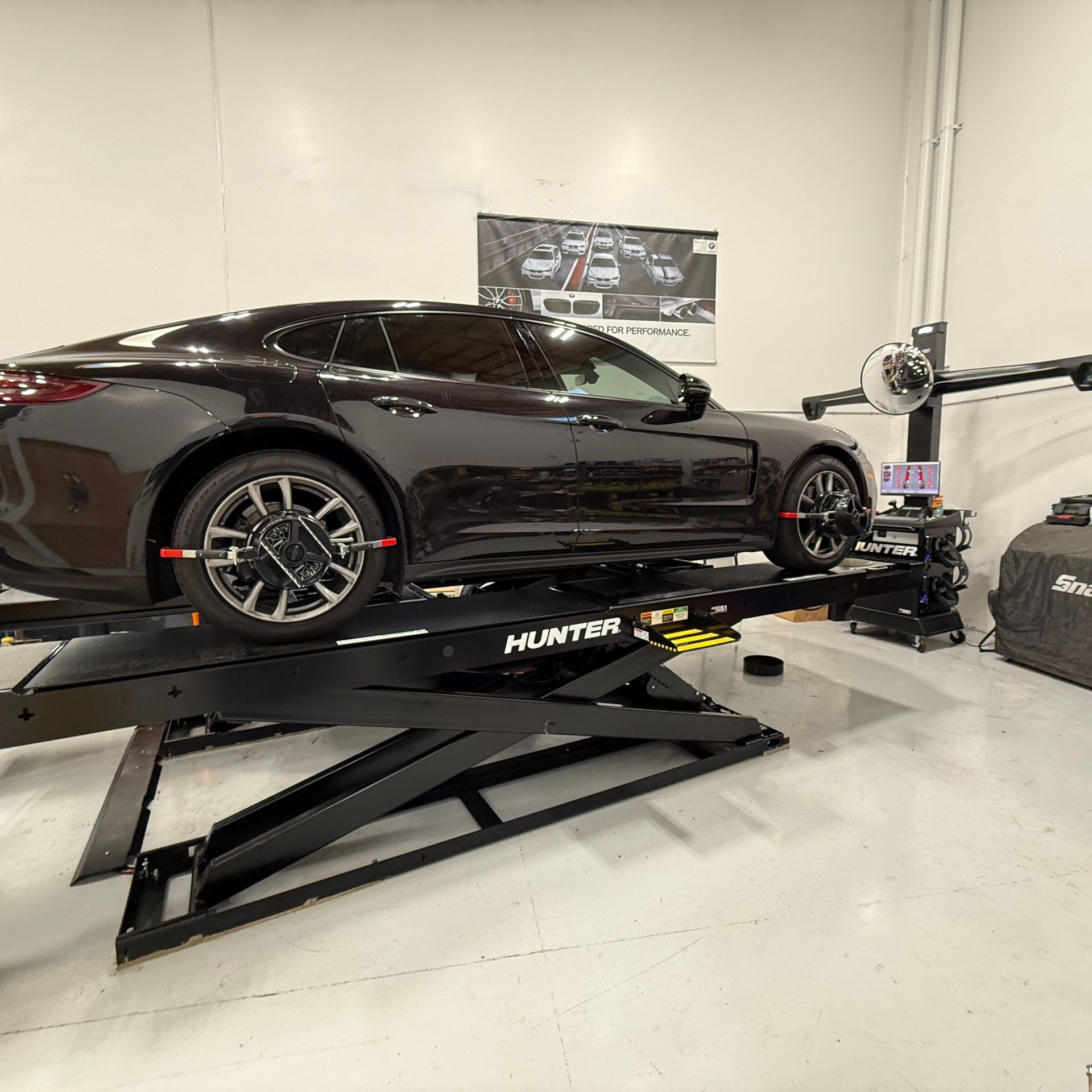
If you drive a BMW, Porsche, Audi, or Mercedes SUV, German Autowerke Inc. in Oceanside, CA, can help with maintenance, inspections, diagnostics, brakes, suspension, leaks, and mileage-related repairs.