Dealer vs Independent German Repair Shop: What’s the Difference — and Why It Matters for Your BMW, Mercedes, VW, Audi, or Porsche
Dealer vs Independent German Repair Shop: What’s the Difference — and Why It Matters for Your BMW, Mercedes, Audi, or Porsche
Not sure whether to take your BMW, Mercedes-Benz, Audi, Porsche, or Volkswagen to the dealership or an independent German repair shop?
For many drivers in Oceanside and North County San Diego, this decision becomes unclear the moment vehicle issues appear or repair costs start rising.
What feels like a simple service choice often turns into uncertainty about cost, repair quality, and whether the real problem is actually being fixed.
If you’ve ever picked up your vehicle from a service visit feeling confused, frustrated, or unsure about what was actually repaired—you’re not alone.
Many German vehicle owners share the same concerns:
- “The estimate was much higher than expected.”
- “I didn’t fully understand what was wrong.”
- “It felt like parts were just being replaced without explanation.”
- “The issue came back after the repair.”
- “I didn’t get direct answers about my vehicle.”
When you depend on a BMW, Mercedes, Audi, or Porsche every day, this uncertainty becomes frustrating—especially when drivability or performance changes.
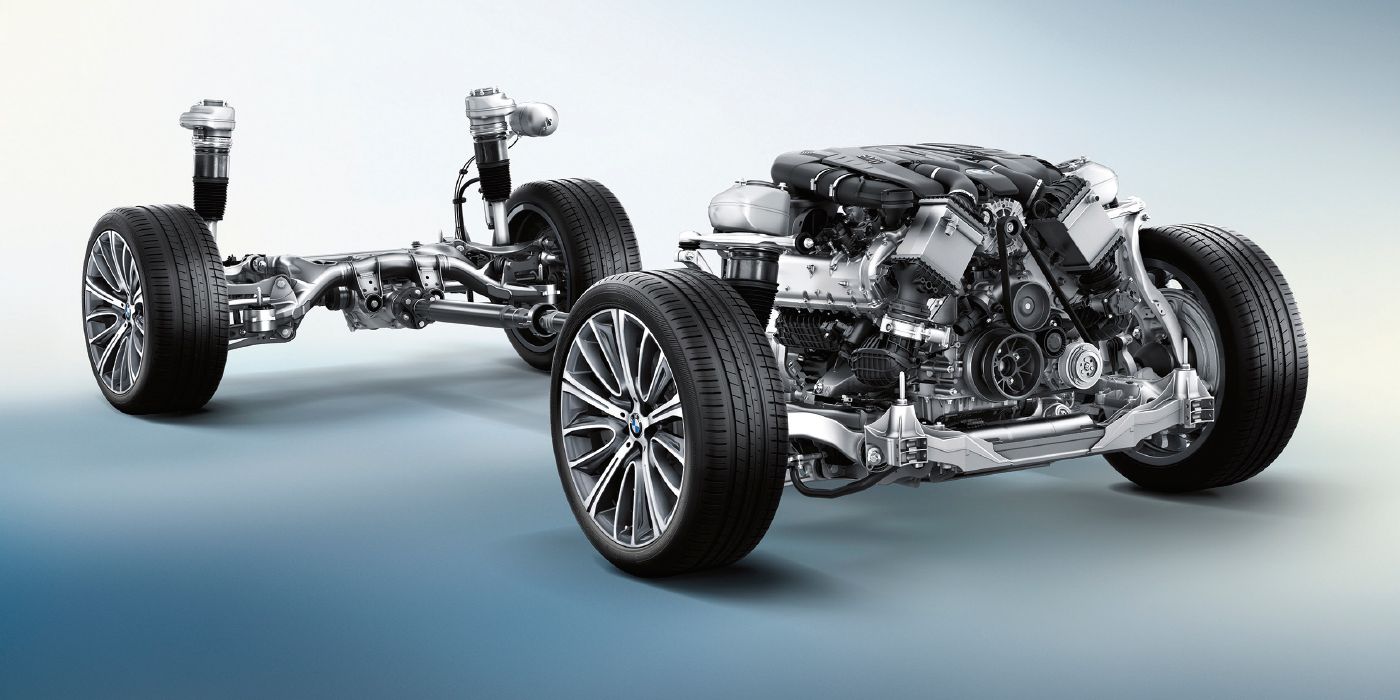
Modern German vehicles are highly advanced, integrated systems—not simple mechanical machines.
Brands like BMW, Mercedes-Benz, Audi, Porsche, and Volkswagen use:
- Interconnected control modules
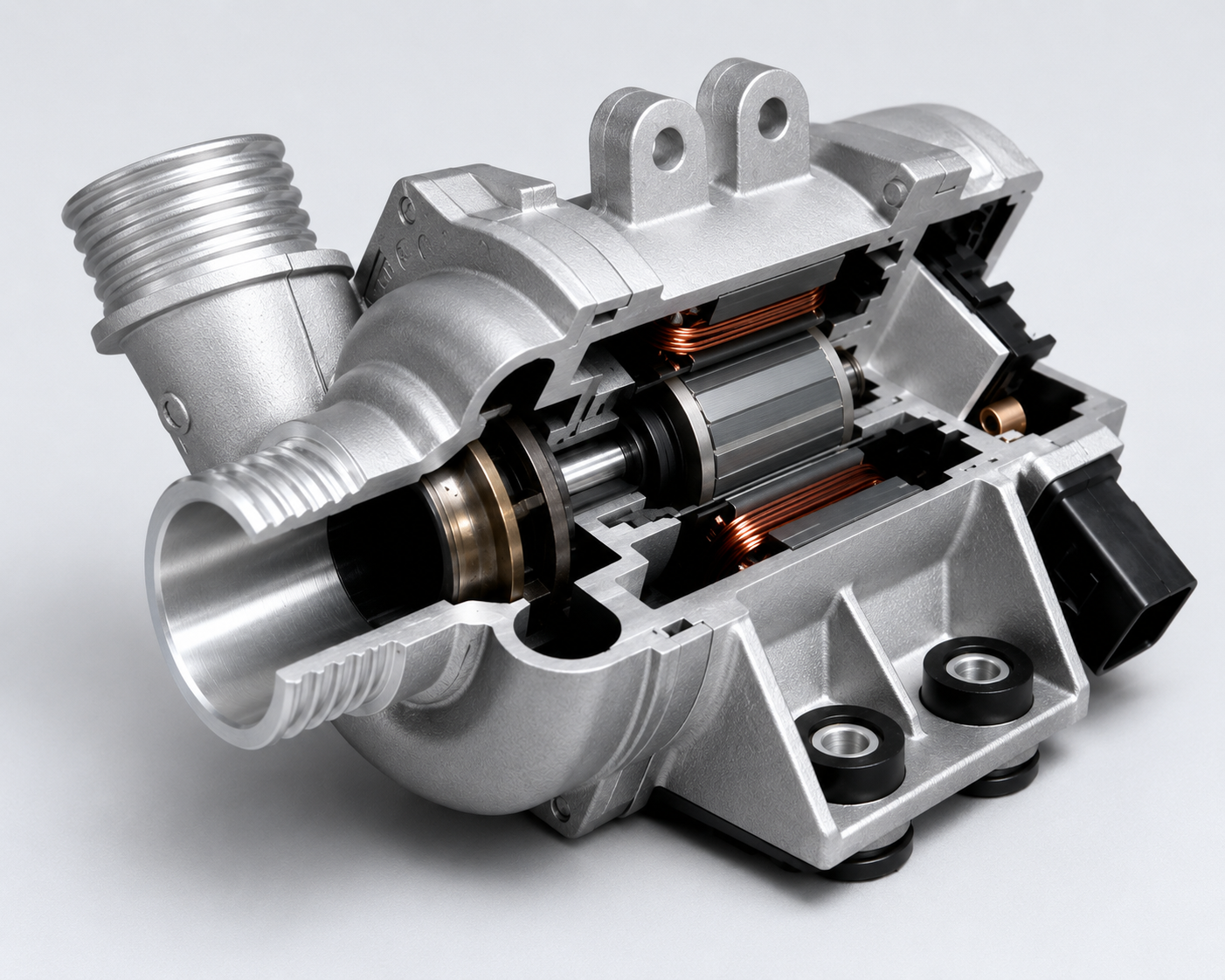
- Advanced engine and transmission management systems
- Complex sensor networks
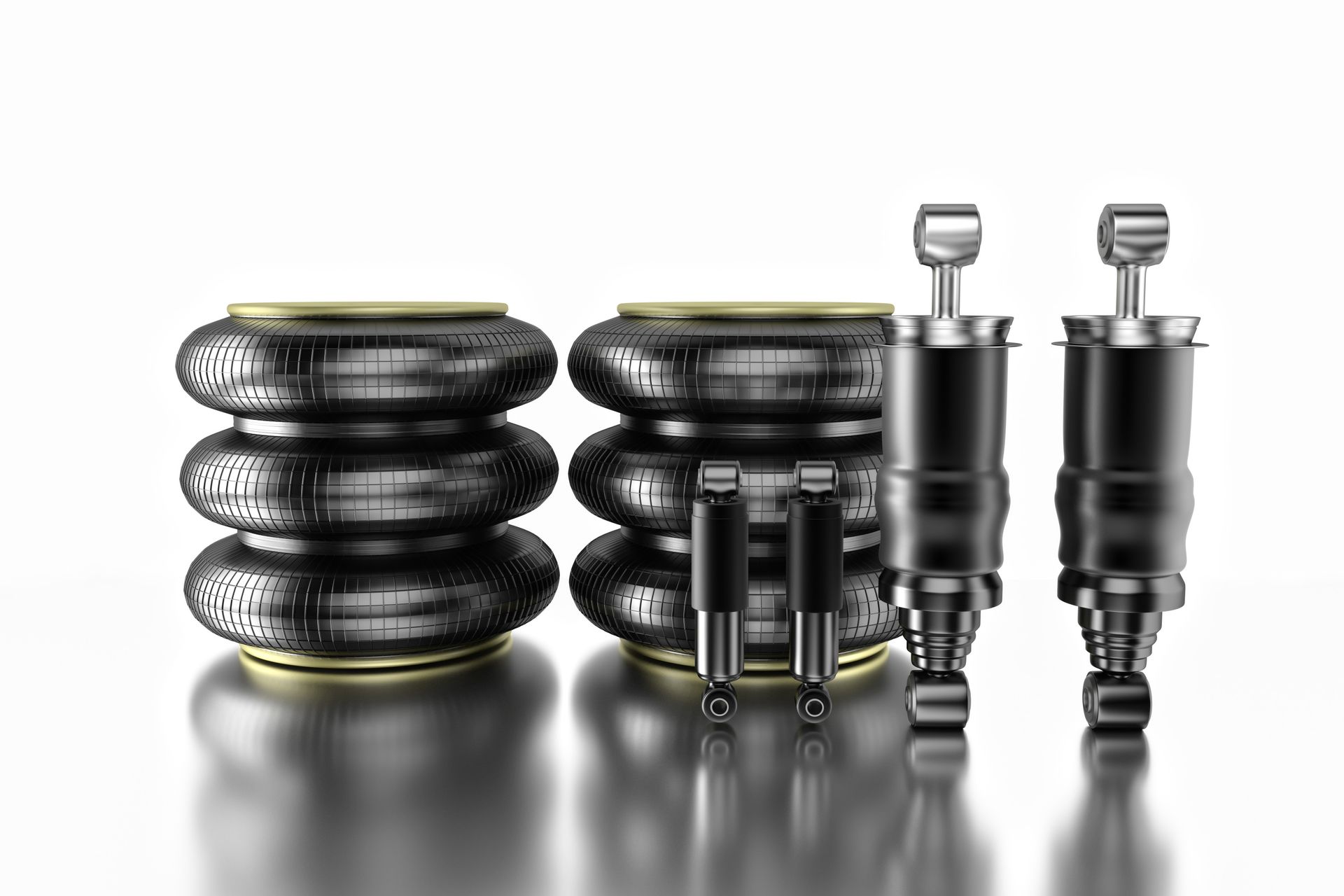
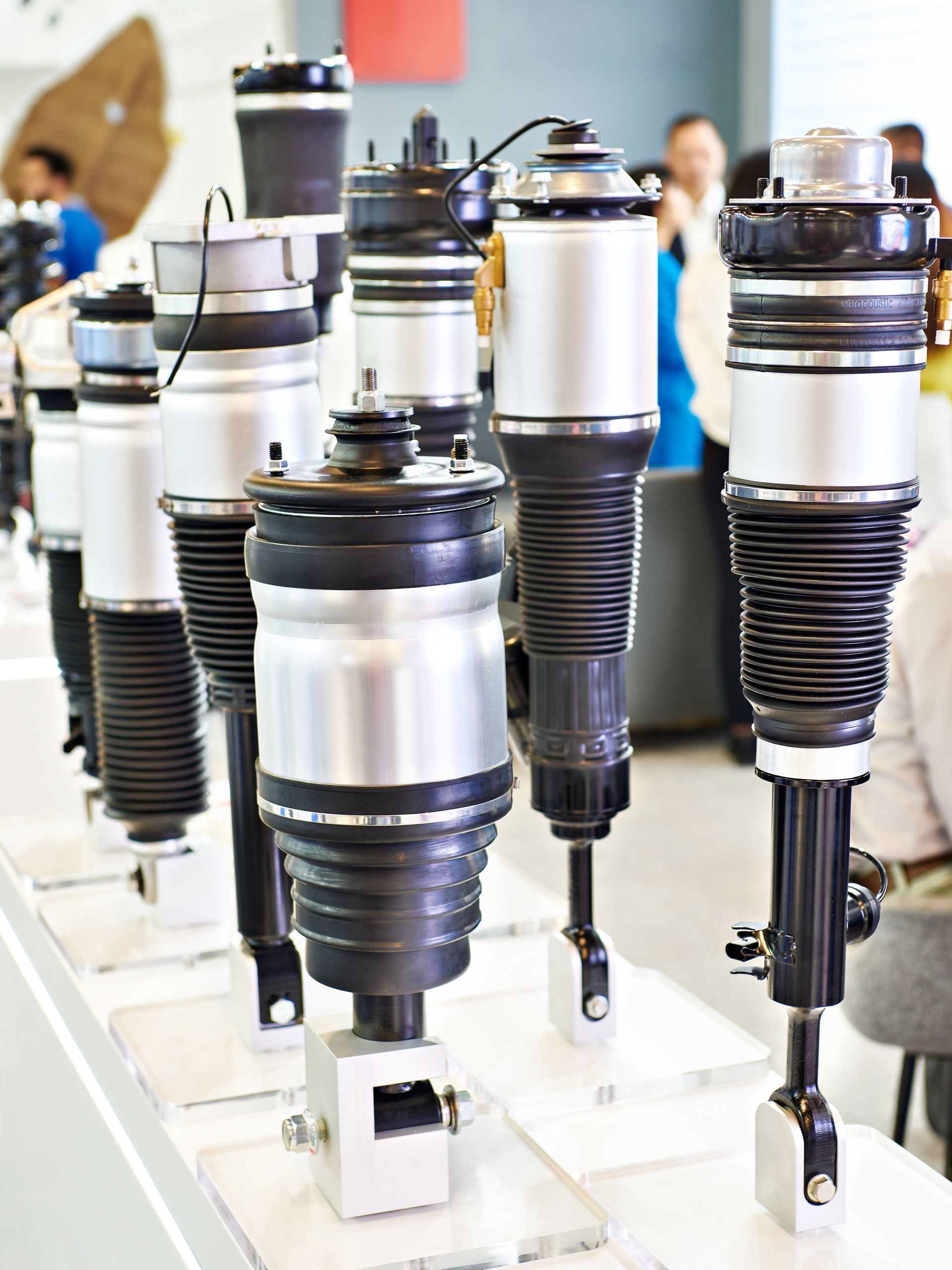
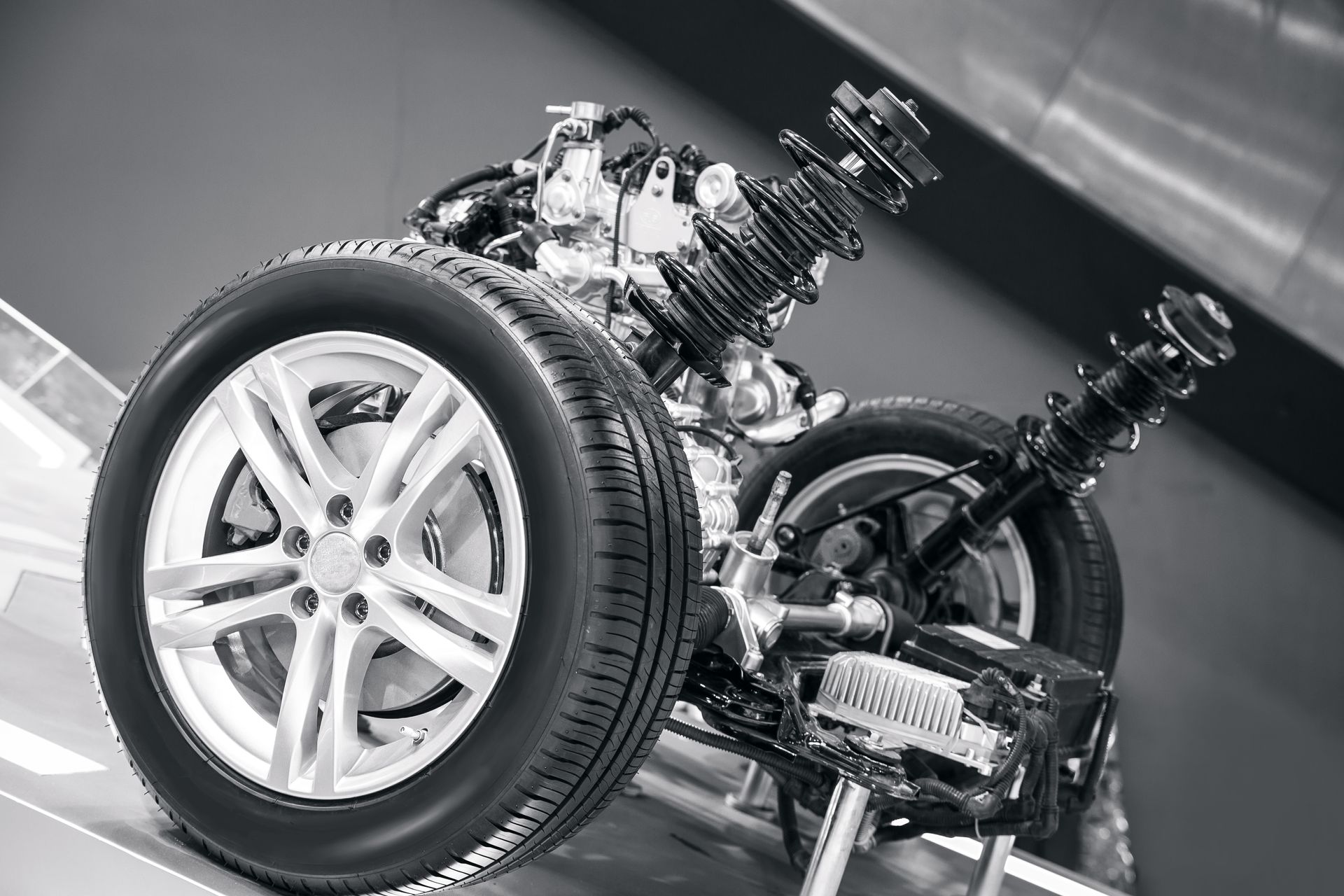
- Precision-engineered suspension systems
- Software-driven performance control
Because of this complexity, most problems are not caused by a single failed part. Instead, symptoms often come from how multiple systems interact.
This is why accurate diagnostics matter more than guesswork or replacing parts based only on surface-level symptoms.
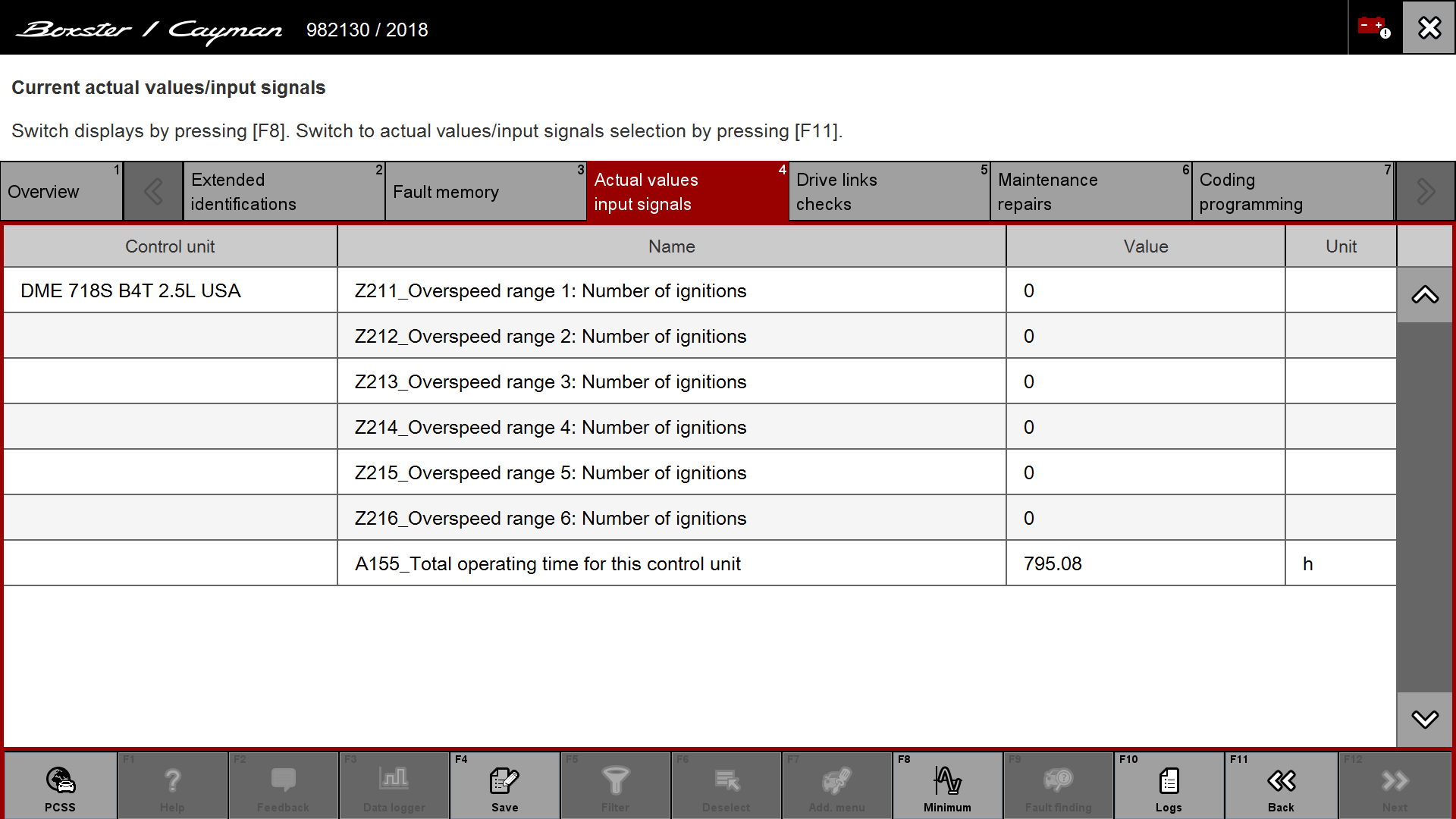
At German Autowerke Inc., we use factory-level diagnostic platforms, technical service information, wiring diagrams, and advanced testing procedures to evaluate the vehicle the way it was engineered to be diagnosed.
The key difference is not access to information—it’s the experience to interpret it correctly.
When German vehicle issues are ignored or misdiagnosed, the consequences can escalate quickly.
What starts as a small issue can lead to:
- Unnecessary or repeated repairs
- Increasing long-term costs
- Persistent warning lights or drivability issues
- Additional stress on connected systems
- Reduced performance and fuel efficiency
- Safety risks in critical systems like braking or suspension
Because German vehicles are interconnected systems, one incorrect diagnosis can trigger a chain reaction of additional failures.
At German Autowerke Inc., every vehicle is diagnosed through a structured, system-based process designed to eliminate guesswork.
We begin by confirming the customer’s concern and verifying the issue under real operating conditions when needed.
We then perform full-system diagnostics using German-specific factory-level equipment, analyzing fault codes, live data, and system performance across all modules.
Instead of focusing on a single part, we evaluate how engine, transmission, electronics, suspension, and sensor systems work together.
From there, we identify the true root cause—not just the symptom or code.
Once confirmed, repairs are completed using high-quality parts and proper manufacturer-approved procedures to restore performance, reliability, and drivability.
Drivers throughout Oceanside and North County San Diego choose German Autowerke Inc. because we specialize exclusively in German engineering.
We service:
- BMW repair and diagnostics
- Mercedes-Benz service and repair
- Audi maintenance and troubleshooting
- Porsche performance and repair
- Volkswagen diagnostics and repair
Because we specialize exclusively in BMW, Mercedes-Benz, Audi, Porsche, and Volkswagen vehicles, we see the full lifecycle of these vehicles—from routine maintenance on newer models to complex diagnostics on higher-mileage vehicles. As these vehicles age beyond their factory warranty, they often develop wear-related and model-specific issues that aren’t commonly encountered during the warranty period. Diagnosing these concerns every day has given our technicians extensive experience with the real-world problems owners face over years of vehicle ownership, allowing us to provide accurate diagnostics and repair recommendations that prioritize long-term reliability.
We also utilize:
- Factory-level diagnostic systems
- Technical service information and repair procedures
- Advanced coding and programming tools
- Wiring diagrams and system-level data
- Dealer-level capability without dealer pricing or pressure
Most importantly, we stand behind our work with a 4-year / 40,000-mile warranty, giving customers long-term confidence in every repair.
Frequently Asked Questions
Will using an independent German repair shop void my warranty?
No. Having your BMW, Mercedes-Benz, Audi, Porsche, or Volkswagen serviced at a qualified independent repair shop does not void your factory warranty.
Under the Magnuson-Moss Warranty Act, manufacturers generally cannot require you to have routine maintenance or repairs performed at a dealership simply to keep your warranty in effect. You are free to choose where your vehicle is serviced, provided the work is performed correctly using appropriate parts and procedures.
What matters is that maintenance is completed according to the manufacturer’s specifications and that accurate service records are maintained.
At German Autowerke Inc., we use factory-level diagnostic equipment, manufacturer repair procedures, and high-quality OEM or equivalent parts to perform repairs that meet manufacturer standards. If a repair is covered under the manufacturer’s warranty or recall program, however, it will typically need to be performed by an authorized dealership.
Can an independent shop service my BMW, Mercedes, Audi, Porsche, or Volkswagen?
Yes. A qualified German repair specialist can properly service and repair these vehicles using advanced diagnostic tools and manufacturer technical information.
Are German vehicles more expensive to repair?
Generally, yes. German vehicles use advanced engineering, specialized components, and complex systems. However, proper diagnostics and preventive maintenance help reduce long-term repair costs by preventing major failures.
Why is accurate diagnostics so important?
Because German vehicles are integrated systems, one issue can affect multiple components. Proper diagnostics ensure the root cause is identified before repairs begin, preventing unnecessary part replacement and repeat failures.
If you’re deciding between a dealership and an independent German repair shop—or if your BMW, Mercedes-Benz, Audi, Porsche, or Volkswagen isn’t performing the way it should—it may be time for a proper diagnostic inspection.
Schedule an appointment with German Autowerke Inc. in Oceanside today.
Let our team identify the real cause of the issue, explain it clearly, and provide a repair solution focused on accuracy, transparency, and long-term reliability.