5 Most Common Air Suspension Issues We Fix On Modern German Vehicles
Air suspension is one of those features you stop thinking about when it works. Then the ride height looks a little off, the car feels busier over bumps, or you start hearing the system working harder than it used to. Because it is designed to be precise, even small faults tend to show up as noticeable changes.
The key is figuring out what the pattern is telling you.
1. Leaking Air Springs Or Struts
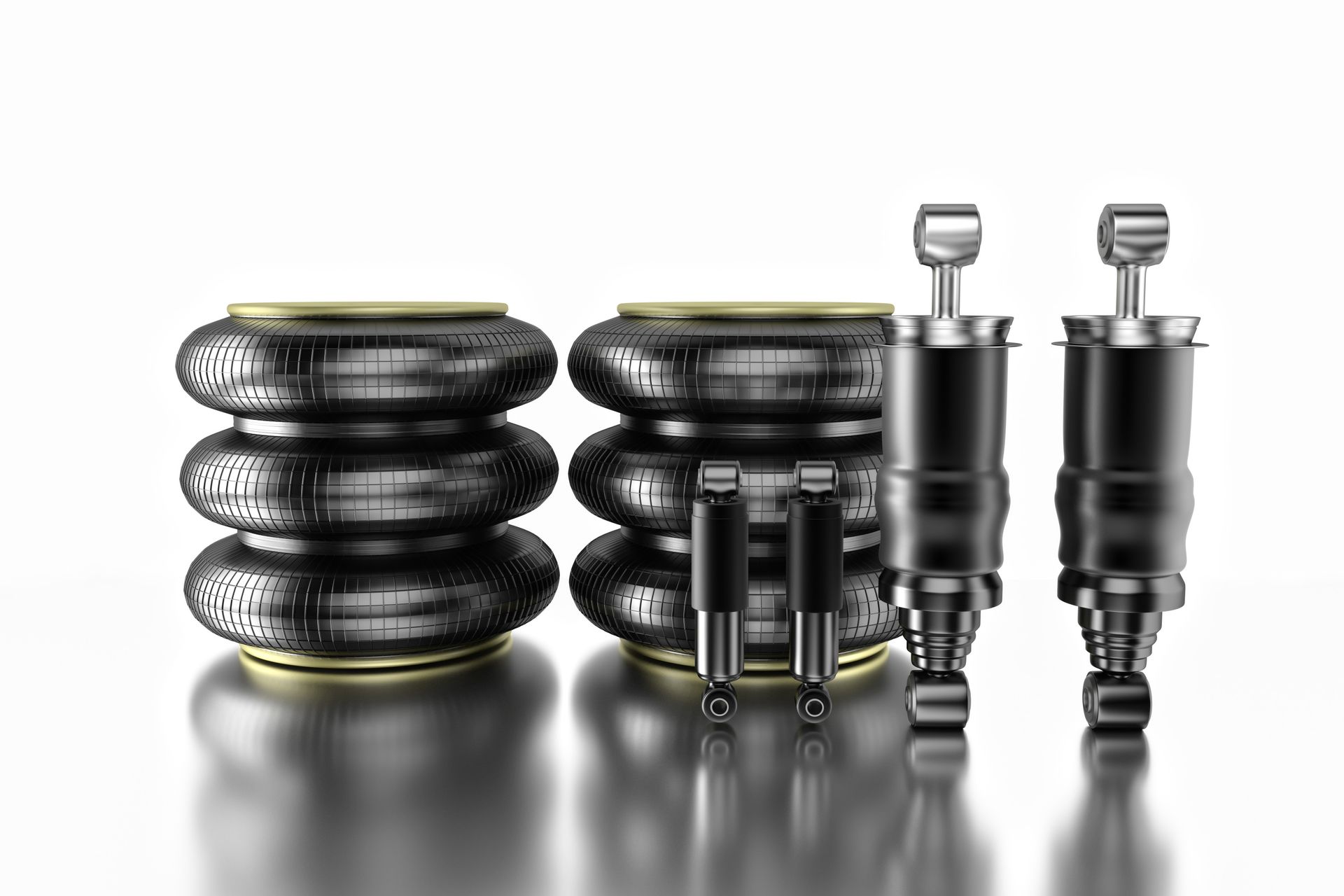
A slow leak at an air spring or air strut is the most common starting point. You might park it level, then come back later and one corner is lower. Sometimes the whole vehicle sits down evenly, which can be harder to notice until you see it from the side.
Leaks often get worse with time because the rubber bellows are constantly flexing and heat-cycling. Once the system starts compensating, it will try to re-level the car more often. That extra work is what turns a small seep into a bigger repair.
2. Compressor Running Too Often Or Getting Loud
If the compressor seems to run a lot, it is usually trying to keep up with lost pressure. You might notice the car takes longer to rise in the morning, or it struggles to reach a selected height. The compressor can also sound rougher or louder because it is working longer cycles.
This is where the dryer matters, too, since it helps manage moisture in the air system. When the dryer is saturated, moisture can contribute to internal wear and sticky behavior in other components. We see compressors fail sooner when a leak has been ignored for a while.
3. Slow Leveling Or Height Changes After Parking
The valve block is basically the traffic controller for the system. When it leaks internally or sticks, the car may rise unevenly, take a long time to level, or change height after it already looks set. You might even notice it levels, then subtly shift again a few minutes later.
This problem can mimic a leaking air spring, which is why it gets misdiagnosed. A valve block issue can also create strange corner-to-corner behavior, where one side drops, but not always the same side. Testing is what separates this from a simple spring leak.
4. Ride Height Sensor Or Linkage Faults
Ride height sensors tell the system where the body is sitting, and the system trusts those signals. If a sensor drifts, a linkage bends, or a connector gets loose, the system can chase the wrong target. That can leave the vehicle sitting higher or lower than expected, or constantly making small adjustments.
These issues often show up after a pothole is hit or road debris is contacted underneath. Sometimes the car looks close to level, yet the ride feels off because the system is correcting based on a bad input. The fix is usually straightforward once the bad signal is confirmed.
5. Air Line Leaks And Fitting Problems
Air lines and fittings can leak at connection points, especially where lines flex or where they rub. A tiny nick in a line or a loose fitting can cause overnight sag that feels random. Temperature changes can make it worse one day and quieter the next.
A faint hiss after shutdown is sometimes heard, but not always. What drivers notice more often is that the system takes longer to recover ride height after sitting. If a line is rubbing because a clip is missing, the leak often keeps returning until routing is corrected.
How We Confirm The Root Cause
A good inspection starts with the simplest truth: what corner changes, how fast it changes, and when the compressor runs. Our technicians check ride height cold and after it has been sitting, then follow the air path to look for leak evidence at the struts, lines, fittings, and valve block. Sensor readings and linkage conditions are verified so the system is not being fooled into leveling incorrectly.
Regular maintenance helps prevent repeat failures because it catches a small leak before it burns out the compressor. Once the actual failure point is confirmed, the repair plan is usually clear and focused. That is how you avoid replacing the wrong part and still having the vehicle sag the next morning.
Get Air Suspension Repair In Oceanside, CA, With German Autowerke Inc.
German Autowerke Inc. in Oceanside, CA, can test your air suspension system, pinpoint why it is sagging or overworking, and recommend the right repair based on what is actually failing. We will also check related components like the compressor, valve block, and sensors so the fix holds up.
Book a visit and get your ride height and ride quality back where they should be.