6 Clues of Suspension Issues That Lead To Wheel Alignment Trouble
You get your wheels aligned, it feels better for a little while, and then the steering starts wandering again. Or you hit one pothole, and the car suddenly wants to drift even on a flat road. That can make it seem like alignments do not last, when the real issue is that the suspension is not holding the angles steady.
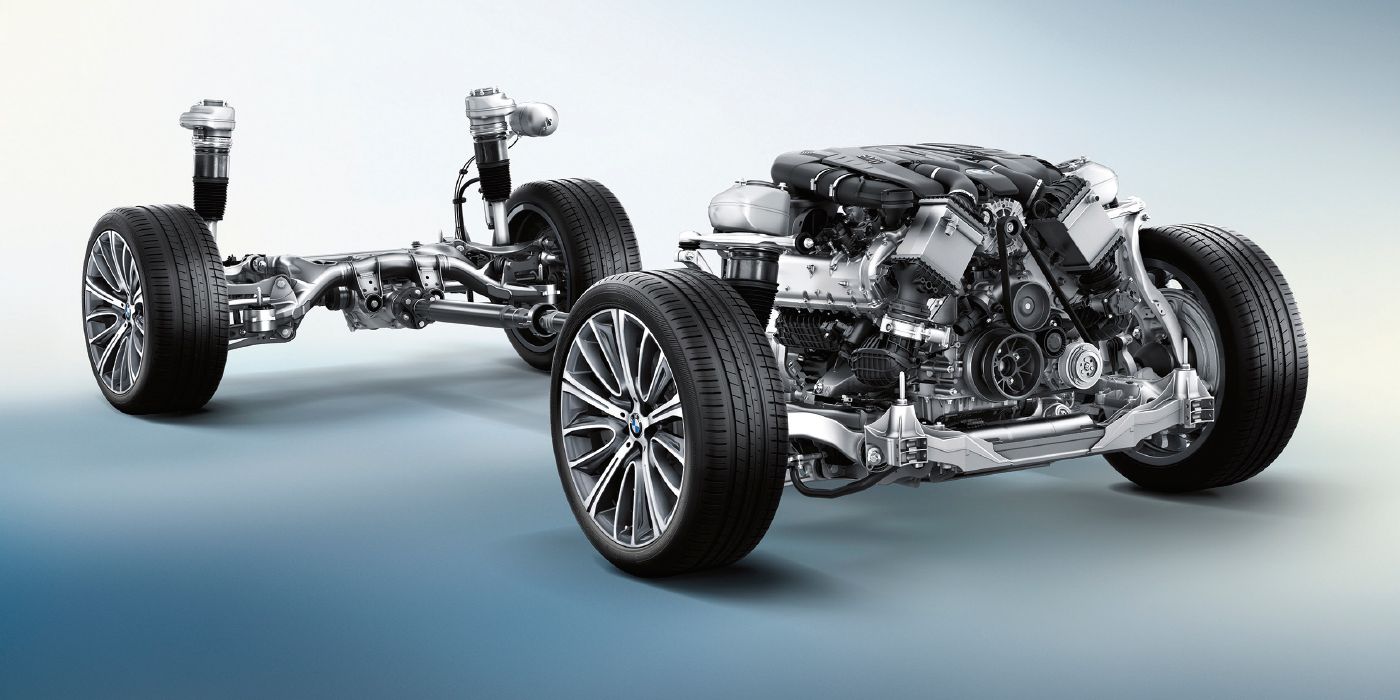
Suspension parts set camber, caster, and toe, so when something is loose or worn, the numbers can look fine in the bay and change once you are rolling.
If it keeps happening, the car is usually giving you clues.
Steering Wheel Off-Center
A steering wheel that is no longer centered on a straight road is one of the earliest signs that alignment settings are shifting. Sometimes it shows up right after an alignment, and other times it creeps in over a few weeks as a joint loosens up. Tie rods, inner joints, and control arm bushings can all let toe drift just enough to feel it in your hands. If you find yourself holding the wheel a few degrees left or right just to go straight, it is worth checking before it turns into rapid tire wear.
Freeway Twitchiness And Constant Corrections
When the front end feels light at speed and you are making constant tiny corrections, the wheels may not be tracking where they are supposed to. Worn control arm bushings can let the tire steer itself slightly when the suspension loads and unloads. Weak ball joints can add the same vague feeling, especially on long sweepers or when you change lanes. A solid alignment should feel calm and predictable, so any nervous behavior is a hint that something underneath is moving.
Tire Wear Patterns That Keep Returning
Tires keep a record of alignment trouble, and the pattern can point to what is changing. If you get an alignment and the same wear comes back fast, it usually means a suspension or steering part is still allowing movement. These are the patterns drivers commonly notice:
- Inside edge wear returning quickly, often tied to camber or toe changes
- Outside edge wear that can come from camber, underinflation, or a bent component
- Feathering where the tread feels sharp in one direction, usually a toe issue
Cupping or scalloping that often traces back to tired shocks or struts
Even if the car feels fine, repeating wear is a reason to look deeper than the alignment printout.
Clunks And Pops Over Bumps
Noises you can feel through the floor or steering column often come from parts shifting under load. Strut mounts can pop, sway bar links can click, and worn bushings can thunk as the suspension moves more than it should. That movement changes alignment angles in real time, especially when you hit bumps mid-corner or brake on uneven pavement. If a new noise shows up around the same time the car starts drifting, it is smart to treat that as connected, not a coincidence.
Pulling That Changes Under Braking
A steady pull can be alignment related, but a pull that changes when you brake often points to worn parts. Braking shifts weight forward and loads the front control arms, ball joints, and bushings. If one side has more play, the vehicle can dart, feel unstable, or require a correction as you slow down. You may also notice it after a quick lane change, when the suspension loads hard and then settles back.
Alignment Drifts After Impacts Or Repairs
After suspension work, the alignment often needs to be reset because parts like control arms, tie rods, and struts directly affect wheel angles. If you do an alignment and it still will not hold, that is when you consider what was not replaced, or what may have been bent. Curb hits and potholes can tweak a control arm, shift a subframe, or damage a wheel without leaving obvious marks.
This is why an inspection after a hard impact is smart, and why it helps to include alignment checks in regular maintenance when you drive rough roads. Modern camera-based alignment equipment can show tiny angle changes, but it also makes it obvious when a joint is letting the wheel move instead of staying locked in.
Get Wheel Alignment In Oceanside, CA With German Autowerke Inc.
German Autowerke Inc. will check for looseness that keeps the alignment from holding, then set the angles precisely on our new alignment rack with a Hunter Hawkeye Elite system. You can see clear before-and-after measurements, and if a worn part is the real reason the alignment keeps drifting, you will know that before the tires get chewed up. Set up a time that works for you and we will take it from there.
If your steering feels off or your tires are starting to wear unevenly, come in and let us get it dialed in.