7 Common Porsche Problems Owners Should Never Ignore
Porsche ownership offers a different driving experience, and that comes with a different set of expectations for maintenance and repairs. These vehicles are built for performance, which means certain components work harder and wear differently over time. As mileage adds up, small issues can start to show in ways that are easy to overlook at first.
Knowing what to watch for can help you stay ahead of problems and keep your vehicle performing the way it should.
1. Oil Leaks From Seals And Gaskets
Oil leaks are among the more common issues seen as mileage increases. Seals and gaskets naturally wear over time, especially with heat and pressure cycles inside the engine. Small leaks may not form a large puddle right away, making them easy to overlook.
Left alone, oil loss can affect lubrication and lead to additional wear. A proper inspection helps determine whether the leak is minor or requires immediate attention before it spreads.
2. Cooling System Leaks And Overheating
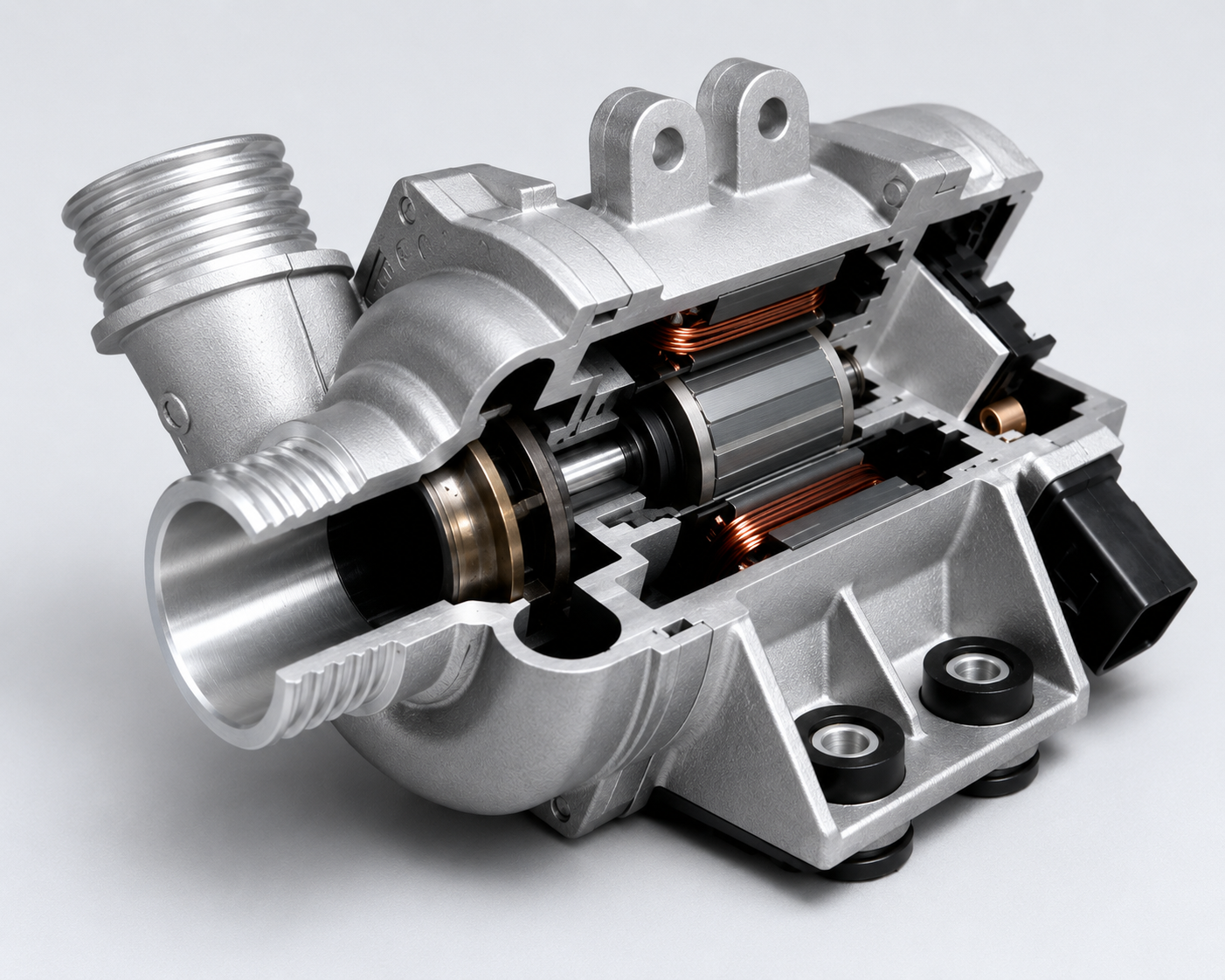
Cooling systems on performance vehicles operate under higher demands. Radiators, hoses, and water pumps can develop leaks or lose efficiency over time. Some drivers first notice a slight temperature increase or a coolant smell after driving.
Overheating should never be ignored. Even a single event can cause internal engine damage if temperatures climb too high. Regular maintenance and early checks help keep the cooling system working properly.
3. Ignition Coil And Spark Plug Failures
Ignition components tend to wear with use, and when they do, misfires can show up. Rough idle, hesitation, and reduced power are common signs. In some cases, the check engine light may flash if the misfire becomes more active.
Replacing worn ignition parts on schedule helps prevent those issues. When misfires are ignored, they can affect other components and lead to more expensive repairs.
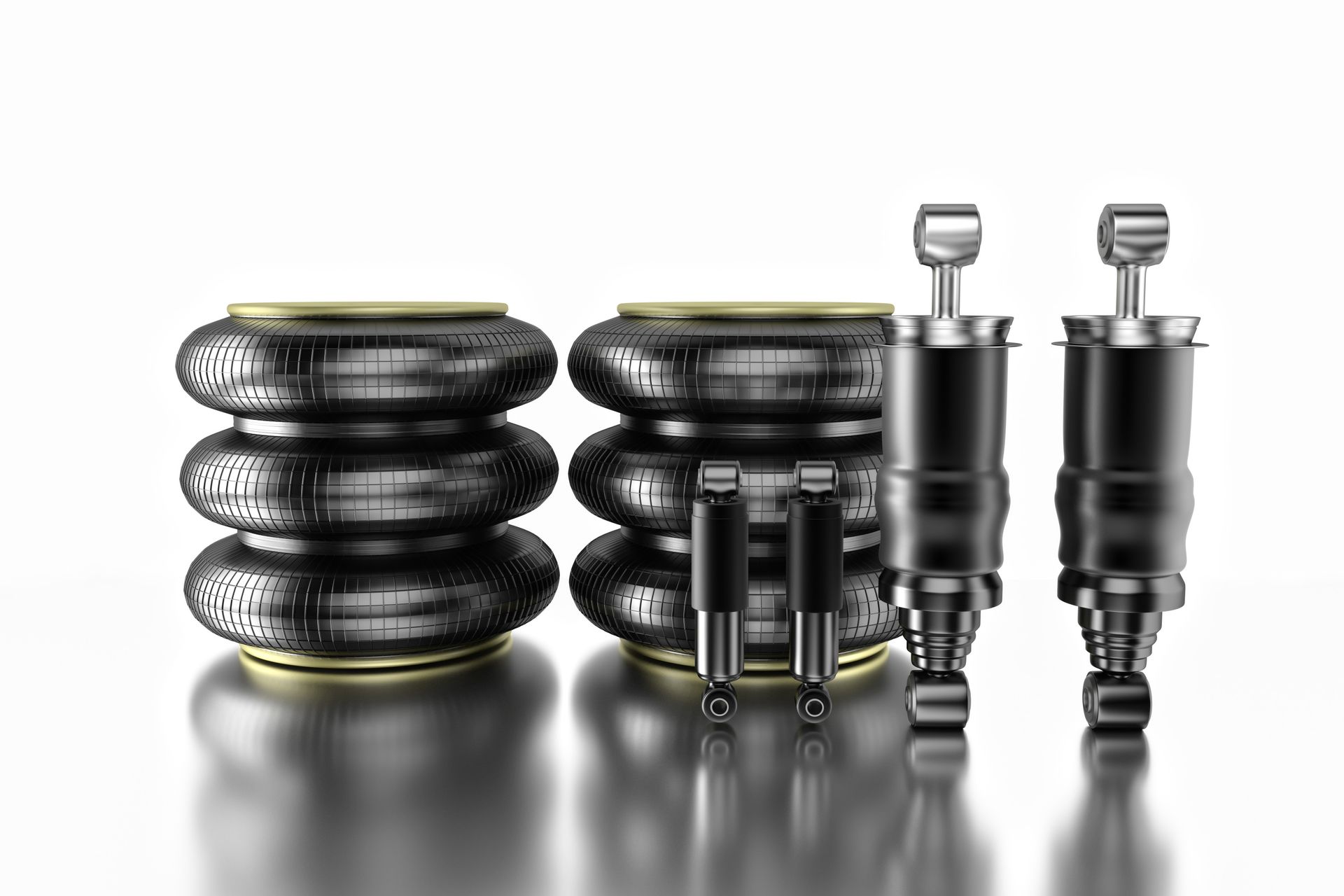
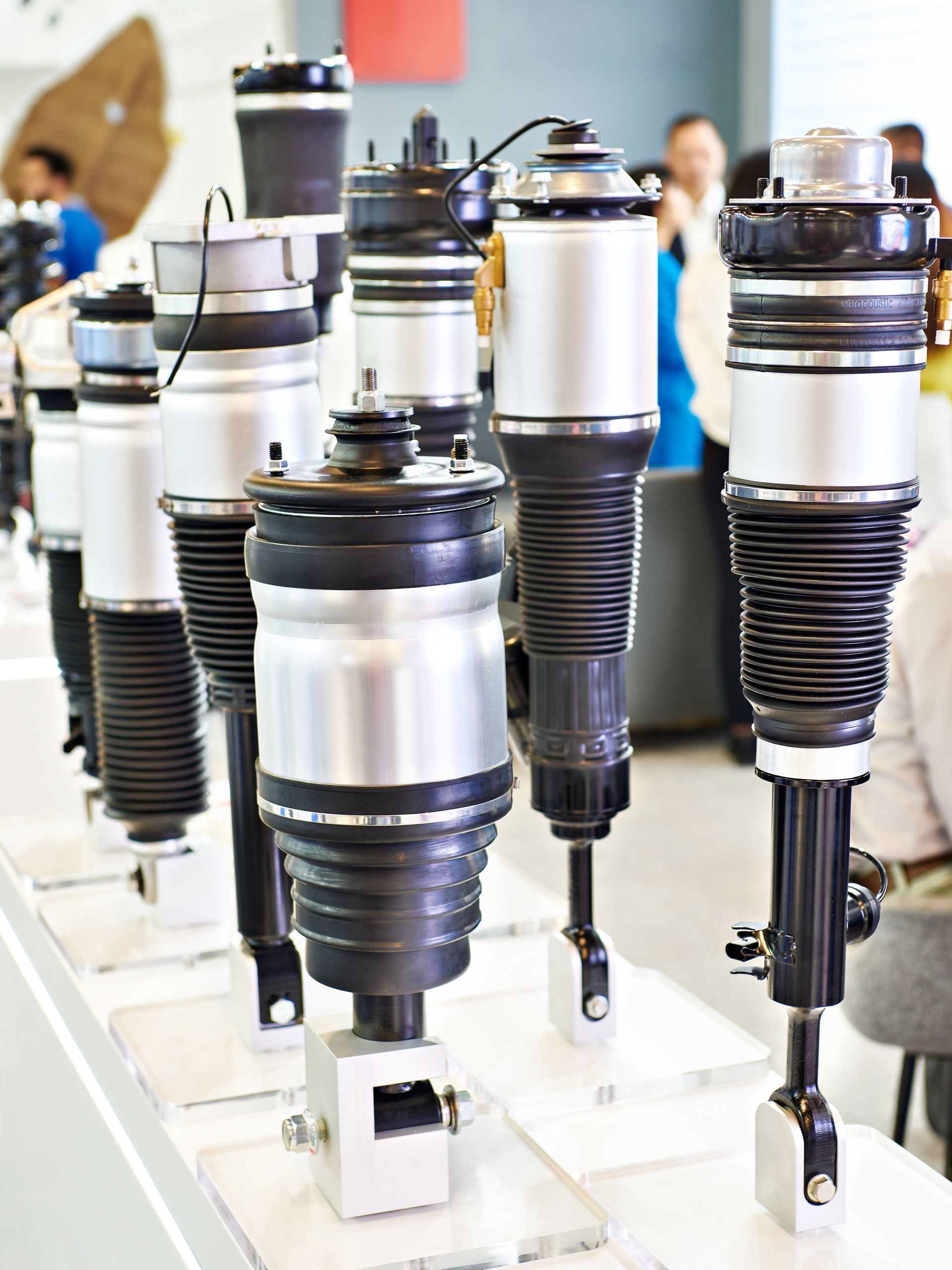
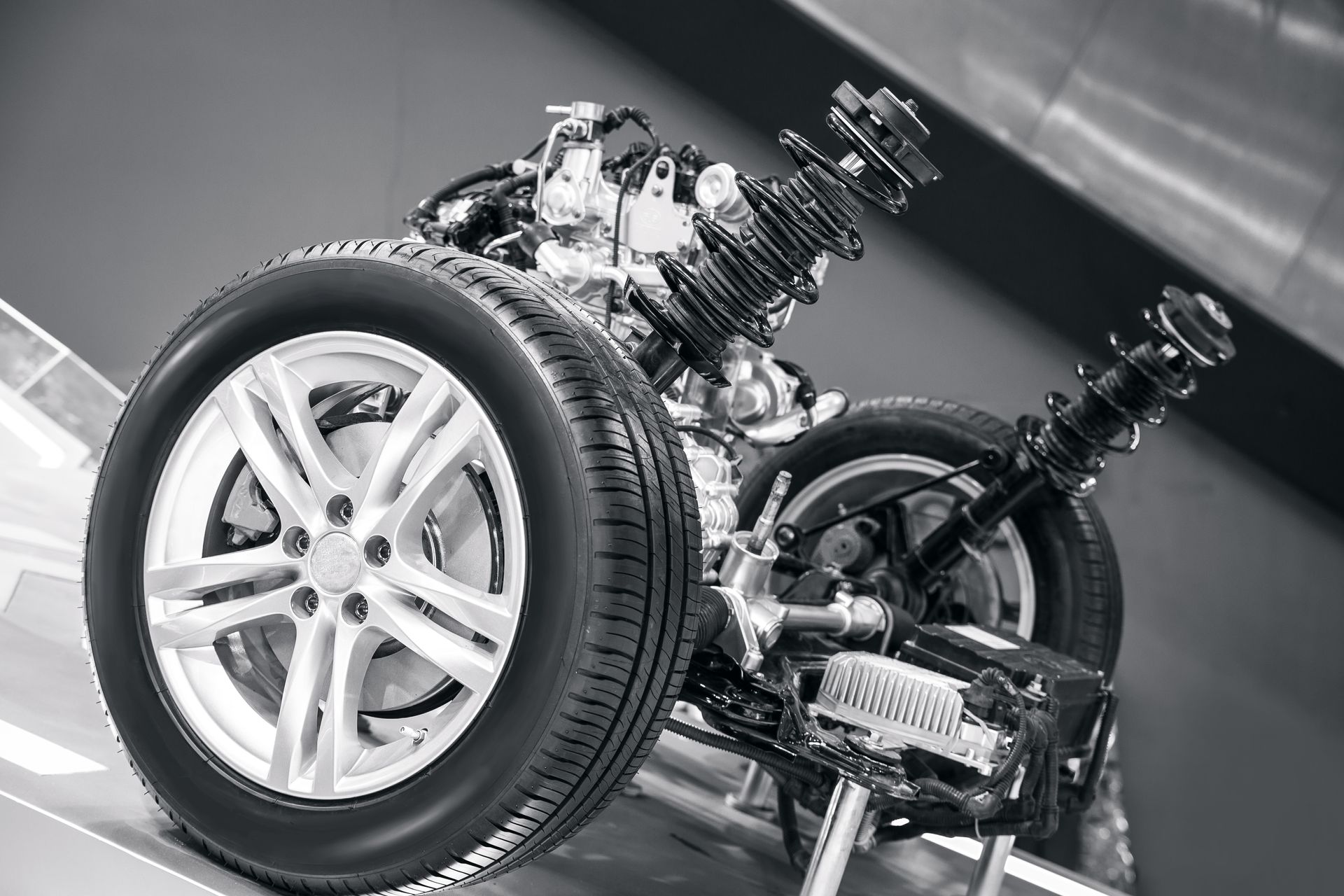
4. Suspension Wear And Handling Changes
As suspension components wear, the vehicle can start to feel less stable or less responsive. You might notice uneven tire wear, clunking over bumps, or a change in how the car handles corners.
Performance vehicles rely heavily on precise suspension function. Even small amounts of wear can affect how the car feels on the road. An inspection helps catch worn parts before they impact safety and tire life.
5. Transmission Hesitation Or Hard Shifting
Transmission issues can start with small changes. Delayed engagement, hesitation during acceleration, or harder-than-normal shifts are early signs.
These symptoms are easy to ignore at first, especially if they come and go. Addressing them early can help keep the repair more manageable and prevent further internal wear.
6. Electrical And Sensor-Related Issues
Modern vehicles depend on sensors and electronic systems to manage engine performance, emissions, and drivability. When a sensor starts to fail or send inaccurate data, it can affect how the vehicle runs.
Drivers may notice warning lights, reduced performance, or inconsistent behavior. Proper diagnostics are important here to confirm whether the issue is a sensor, wiring, or something affecting the system as a whole.
7. Brake Wear And Performance Changes
Brake systems on performance vehicles work harder than those on standard cars. Pads, rotors, and fluid all wear over time, especially under aggressive driving conditions.
Changes in braking feel, noise, or stopping distance should not be ignored. Early inspection helps keep the system operating properly and prevents additional wear on other brake components.
Get Porsche Repair In Oceanside, CA, With German Autowerke Inc.
If your vehicle shows any of these signs, German Autowerke Inc. in Oceanside, CA, can perform an inspection and help you stay ahead of repairs before they become more extensive.
Bring it in early so performance and reliability stay where they should be.