Audi Check Engine Light On? Why a Code Scan Is Only the Beginning
An Audi check engine light can make the car feel like it is speaking in code, because that is exactly what it is doing. A scan tool may pull a number like P0302, P0171, or P0420, and suddenly the problem looks simple. Cylinder two misfire. Lean condition. Catalyst efficiency. There it is, right?
Not quite. A code scan is a starting point, not the full answer. The code tells you what the engine computer noticed. It does not always tell you why it happened, how long it has been happening, whether another system caused it, or which part actually needs attention. On an Audi, that difference can save a lot of wasted parts and frustration.
The Code Tells A Direction, Not The Repair
A check engine code is like a warning from one system that something is outside the expected range. It may point toward a cylinder, sensor reading, fuel trim, emissions system, or airflow issue. That information is useful, but it is not the same as a confirmed repair.
For example, a misfire code does not automatically mean the ignition coil is bad. A lean air-fuel mixture code does not always indicate that the oxygen sensor failed. A catalyst code does not always mean the catalytic converter is the first part to replace. The code gives the technician a direction for testing.
Audi engines have tightly linked systems. Air leaks, PCV issues, carbon buildup, weak ignition parts, fuel delivery concerns, timing problems, and sensor faults can overlap. Replacing the part named in the code can miss the real cause.
Audi Engines Can Hide The Real Problem Well
Many Audi engines are turbocharged, direct-injected, and electronically controlled. They can adjust fuel, timing, throttle response, boost, and idle control to keep the engine running even when something is slightly off. That makes the car drivable, but it can also hide the problem until the computer finally sets a code.
A small vacuum leak may first show up as fuel trim numbers that are stretched too far. A weak coil may only misfire under load. Carbon buildup may create rough cold starts before the check engine light becomes consistent. A PCV problem may appear as a lean condition, an oil consumption concern, or an idle issue, depending on how it fails.
The engine computer is good at noticing a symptom. It still needs a human inspection and testing process to connect that symptom to the cause.
Freeze Frame Data Can Be More Useful Than The Code Alone
When a check engine light comes on, the computer often stores freeze frame data. That information shows what was happening at the time the fault was recorded. Engine speed, temperature, load, fuel trims, vehicle speed, and other readings can help explain the conditions around the failure.
That matters because some problems only happen in a narrow window. A misfire at cold startup is different from a misfire during highway acceleration. A lean code at idle points in a different direction than a lean code under boost. A fault that appears after refueling may lead to a different test path than one that appears after a long uphill drive.
Without looking at the data behind the code, the repair can become too broad. The details help narrow the search.
When A Simple Scan Can Be Misleading
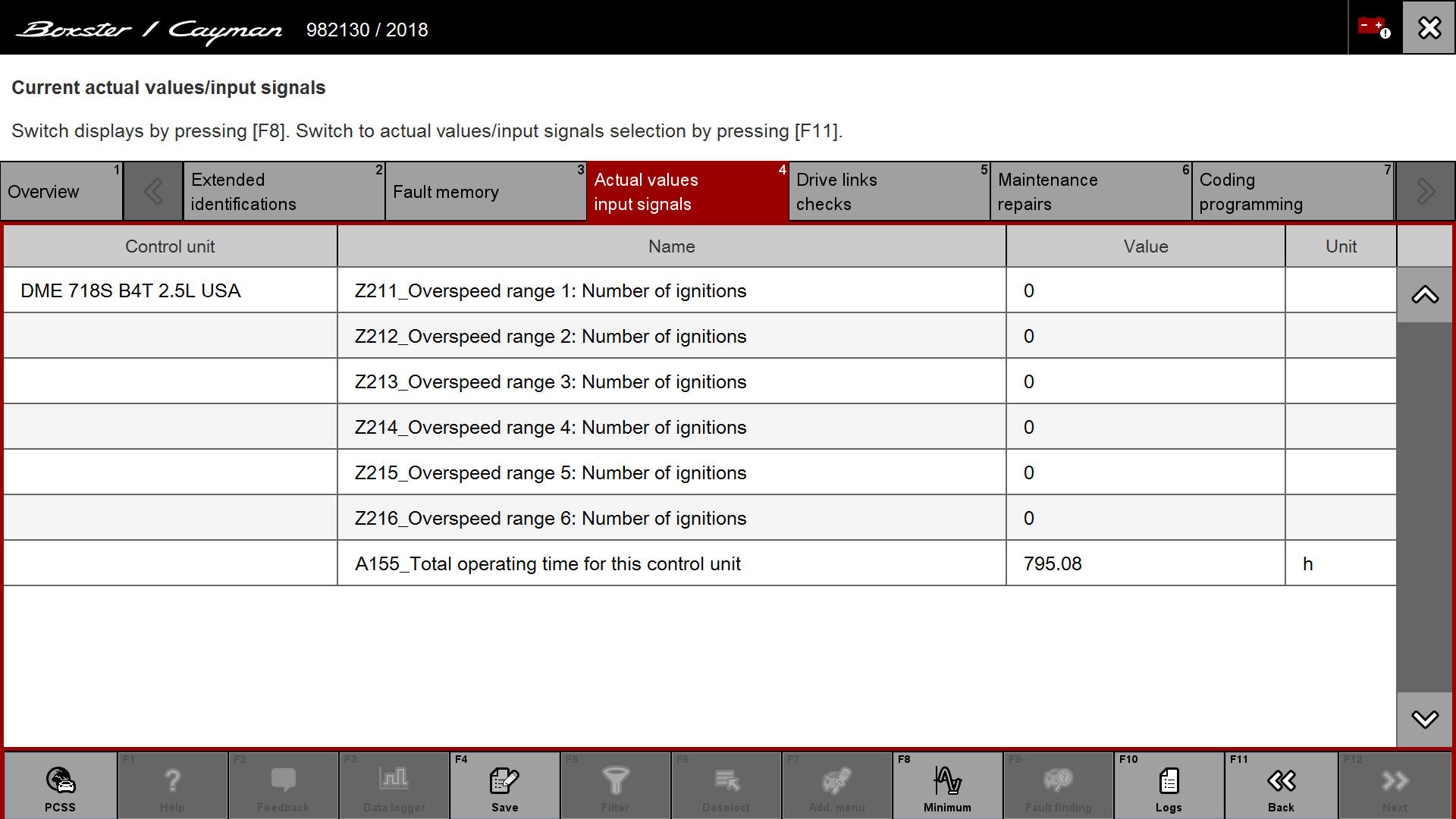
Basic code readers help read stored codes, but they do not show the whole picture. They may not read Audi-specific modules, pending faults, live data, misfire counters, adaptation values, or manufacturer-specific information that can change the repair approach.
A simple scan may show an oxygen sensor code, but live data may reveal an intake leak that caused the sensor to report a lean mixture. It may show a misfire code, but misfire counters may show the problem moves under certain conditions. It may show an emissions code, but readiness monitors and fuel trims may show the issue started elsewhere.
This is why clearing the light and waiting can be risky. If the root problem remains, the light usually comes back, and the vehicle may continue running poorly in the meantime.
Common Audi Check Engine Light Causes
Audi check engine lights can come from many systems, but a few causes appear often enough to warrant careful testing.
- Ignition coil or spark plug problems can cause rough idle, shaking, hesitation, or a flashing check engine light, especially under load.
- Vacuum leaks and PCV failures can make the engine run lean, idle unevenly, whistle, use oil, or set fuel trim codes that appear to be sensor problems at first.
- Carbon buildup on direct-injection intake valves can cause cold-start misfires, rough idle, and weak acceleration even if the basic ignition parts are still good.
- Fuel system problems can cause long cranking, hesitation, lean or rich codes, or misfires when the engine demands more fuel than the system can deliver.
- Sensor and emissions faults can involve oxygen sensors, mass airflow readings, EVAP components, thermostats, catalytic converter efficiency, or wiring concerns.
Each one needs a different test. The code helps choose the first test, but it should not decide the entire repair on its own.
A Flashing Light Is Different From A Steady Light
A steady check engine light means the vehicle should be checked soon. It may still drive normally, but the computer has stored a fault that needs attention.
A flashing check engine light is more urgent. It often means the engine is misfiring badly enough to risk catalytic converter damage. When unburned fuel enters the exhaust, the converter can overheat. That can turn an ignition or fuel problem into a much more expensive repair.
If the light flashes, the safest move is to avoid hard driving and have the vehicle inspected quickly. If the car is shaking badly, smells unusual, or feels like it is losing power, it may be better not to keep driving it.
Why The Right Diagnostic Process Saves Money
Good diagnostics are not about making the repair more complicated. They are about avoiding the wrong repair. On an Audi, parts can be expensive, and several different failures can create similar symptoms.
A proper check may include scanning all relevant modules, reading freeze-frame data, checking live data, smoke-testing for leaks, inspecting ignition parts, checking fuel pressure, reviewing maintenance history, and testing wiring or sensors before replacement. Regular maintenance also plays a role because overdue spark plugs, dirty filters, old fluids, and neglected leaks can create conditions that lead to check engine complaints.
The goal is simple: fix the cause, not just the code.
Get Audi Check Engine Light Diagnostics In Oceanside, CA, With German Autowerke Inc.
If your Audi has a check engine light, a rough idle, misfires, hesitation, poor fuel economy, or warning messages, German Autowerke Inc. in Oceanside, CA, can perform comprehensive testing beyond a basic code scan.
For Audi check engine light diagnostics that look for the cause behind the code, contact us to schedule an appointment.
Common Questions About Audi Check Engine Light Diagnostics
Can I Drive My Audi With The Check Engine Light On?
If the light is steady and the car feels normal, you may be able to drive a short distance, but it should be checked soon. If the light is flashing or the engine is shaking, avoid driving because catalytic converter damage may occur.
Why Did My Check Engine Light Come Back After Clearing It?
Clearing the code removes the warning for a while, but it does not repair the cause. If the problem persists, the computer will usually detect it again and turn the light back on.
Does A Code Scan Tell You Which Part To Replace?
Not always. A code scan shows what the computer noticed, but testing is needed to confirm whether the cause is a part failure, wiring issue, air leak, fuel problem, maintenance issue, or another related concern.