The Most Common German Car Problems (and Which Ones Get Expensive)
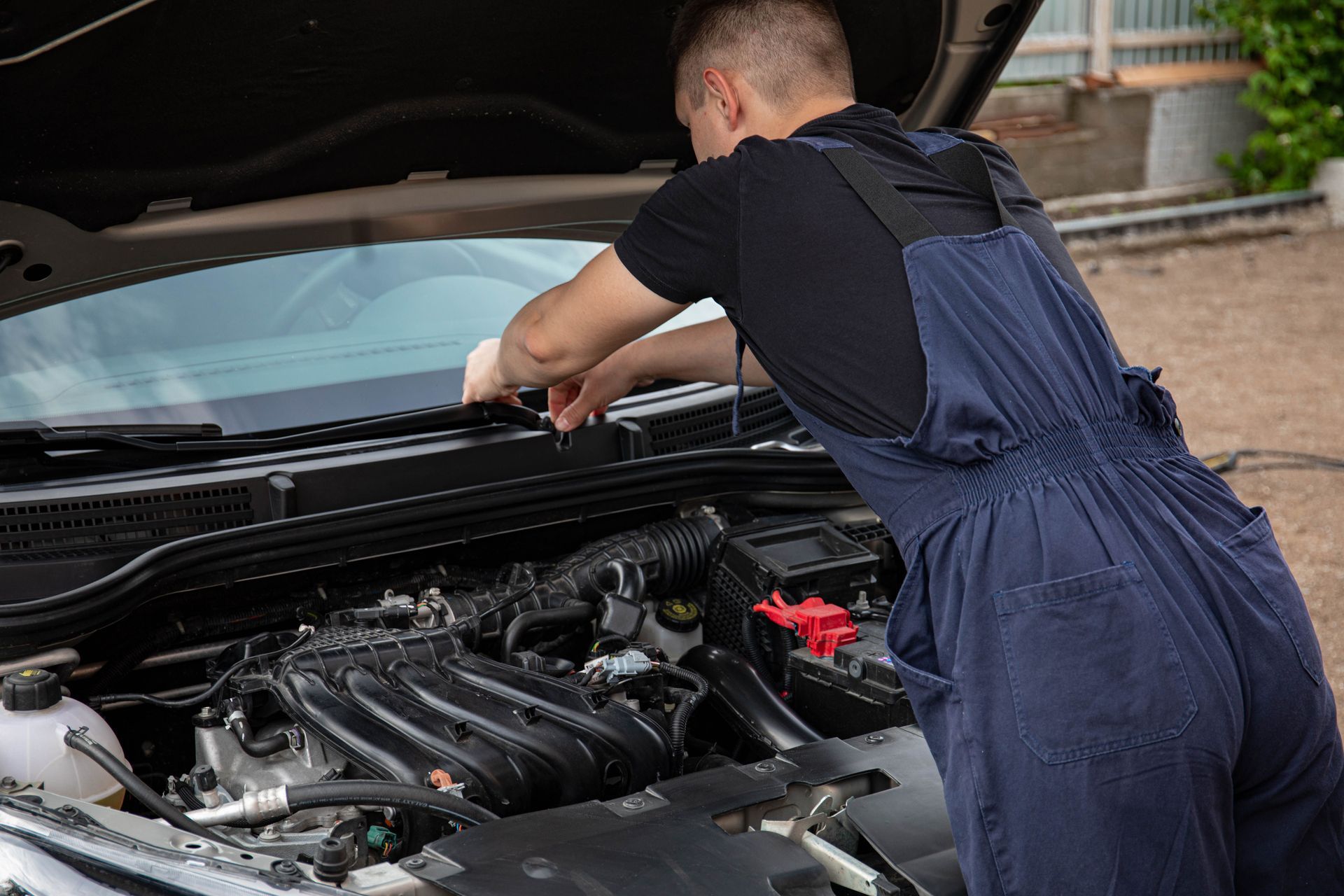
The most common problems on German cars are oil leaks, cooling system wear, worn suspension parts, and electrical or sensor faults. The repairs that get expensive are usually the ones that were ignored: a small leak or a new noise caught early is often a modest fix, while the same problem left alone can turn into an engine, turbo, or transmission repair.
We've been working on German cars in Oceanside since 1989, and the same handful of issues come through our doors again and again. Here's what to watch for, without the jargon.
What problems do German cars have most often?
Every model is different, but these are the things we see most across BMW, Mercedes-Benz, Audi, Volkswagen, MINI, and Porsche:
- Oil leaks. Gaskets and seals get hard with age and heat. Valve cover gaskets and oil filter housing gaskets are common culprits. A small leak can drip onto hot exhaust parts or soak rubber hoses and belts.
- Cooling system wear. Water pumps, thermostats, hoses, and plastic coolant parts wear out over time. If you're topping off coolant, something is leaking. Our post on why an Audi keeps losing coolant covers the warning signs, and they apply to most German cars.
- Suspension wear. Control arm bushings and other rubber parts wear out, which can cause clunks, wandering, and uneven tire wear. Here's more on BMW suspension wear.
- Electrical and sensor faults. Modern German cars have many computers and sensors. A weak battery or one bad sensor can trigger several warning lights at once.
- Carbon buildup. Many direct-injection engines can build up carbon on the intake valves over time, which can cause rough running or misfires. We clean it with walnut blasting in our own shop.
Which German car repairs get the most expensive?
The big-ticket repairs tend to involve parts buried deep in the car or parts that protect the engine. A few we see often:
- Timing chain problems on certain BMW and Audi engines. A rattle on a cold start is a common early clue. See our guides to BMW timing chain problems and Audi 2.0T timing chain problems.
- Turbocharger failure. Loss of power, smoke, or a new whining sound are early warning signs. Here are the signs a BMW turbo is failing.
- Air suspension. Mercedes, Audi, and Porsche SUVs and sedans with air suspension can develop leaks or compressor problems. Here's what the Mercedes AIRMATIC warning means.
- Transmission problems. Rough or delayed shifts deserve a look sooner rather than later. Our post on transmission service vs. replacement explains the difference.
- Porsche IMS bearing failure on certain older Boxster, Cayman, and 911 models. Here's which Porsche models are affected.
What these have in common is that the warning signs usually show up first. The bill gets big when those signs get ignored.
Are German cars unreliable?
Not really. They're complex, and they're less forgiving of skipped maintenance than a basic economy car. A well-kept German car can be a dependable daily driver for a long time. The cars that give owners trouble are usually the ones that missed oil services, ran low on coolant, or had a small leak that never got fixed.
How can you avoid the expensive repairs?
- Stick to the maintenance schedule, especially oil changes with the correct oil. Here's why German cars use synthetic oil.
- Pay attention to small changes. New noises, smells, drips, or warning lights are your car asking for help.
- Fix leaks while they're small. Oil and coolant leaks rarely fix themselves.
- Get an inspection when you buy used. A pre-purchase inspection can spot problems before they become yours.
- Find a shop that knows German cars. The right diagnosis the first time saves money.
Frequently asked questions
What is the most common problem on German cars?
Oil leaks are among the most common problems we see. Gaskets and seals harden with age and heat. Catching a leak early keeps it a smaller repair and helps protect nearby hoses, belts, and wiring.
What is the most expensive repair on a German car?
Major engine and transmission repairs, such as timing chain, turbo, or transmission replacement, are usually the most expensive. Many of these start with warning signs, so getting a noise or warning light checked early can help you avoid the biggest bills.
Are some German brands more reliable than others?
It depends more on the specific model, engine, and maintenance history than on the badge. Two cars from the same brand can have very different track records, so research the exact model you own or plan to buy.
Do German cars last a long time?
They can, when they're maintained on schedule and small problems get fixed early. How a car was cared for matters more than its brand.
German car repair in Oceanside, CA
If your BMW, Mercedes, Audi, VW, MINI, or Porsche is showing a warning light, leaking, or making a new noise, we're happy to take a look. Our technicians are ASE certified, some are ASE Master certified, our owner Vince is BMW Master certified, and we use German factory diagnostic tools.
German Autowerke is a family-owned shop in Oceanside, serving North County San Diego since 1989. Call us at (760) 721-3321, and we'll tell you honestly what your car needs and what can wait.
Qualifying repairs are backed by our 4-year/40,000-mile in-house warranty and a 3-year/36,000-mile nationwide warranty for when you're traveling, subject to terms of coverage (warranty details). Internally lubricated parts like turbos, timing chains, head gaskets and transmissions carry the factory manufacturer warranty unless otherwise noted on your invoice.