Why Your Audi, BMW, or Mercedes Needs a Specialist
This is a subtitle for your new post
German cars are built with tightly connected electronics, brand-specific parts and fluids, and procedures that often need factory-level software. A specialist who works on these cars every day has the right tools, knows the common problems, and can usually find the real cause faster. That means fewer guesses, fewer repeat visits, and less money spent on parts you didn't need.
If you've ever had a general shop say "we don't really work on those," here's why, and why it matters for you.
What makes German cars different to repair?
German cars aren't impossible to fix. They're just particular. A few things set them apart:
- Lots of connected computers. The engine, transmission, brakes, suspension, and even the battery talk to each other. One problem can show up as a symptom somewhere else.
- Brand-specific fluids and parts. Oil, coolant, and transmission fluids often need a specific factory approval. The "close enough" fluid can cause new problems.
- Coding and programming. On many newer models, replacing a part is only half the job. Some new batteries need to be registered to the car, and some modules need software set-up before they work properly.
- Special procedures. Even routine work, like a rear brake job on a car with an electronic parking brake, can need a scan tool to do it correctly.
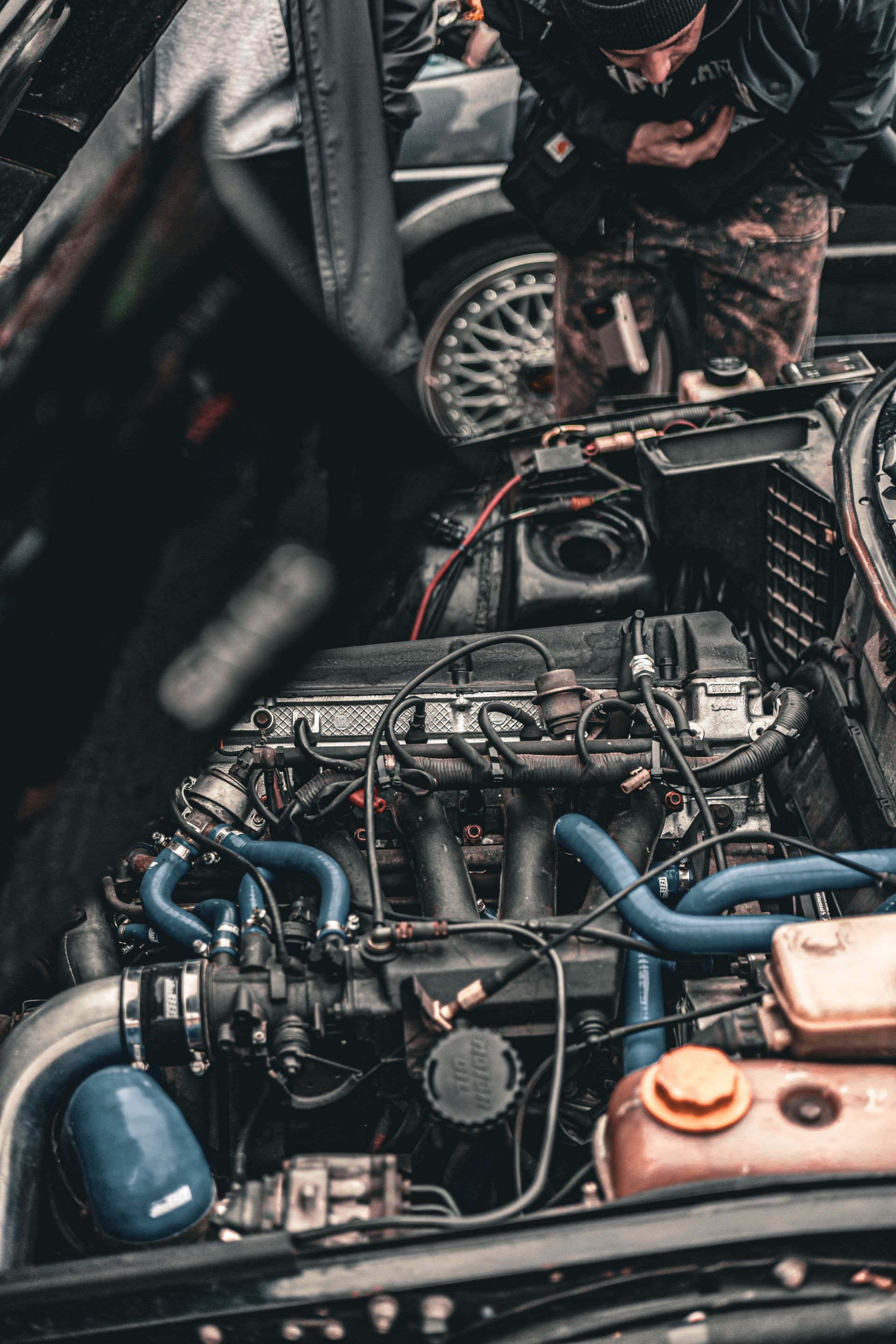
- Tight packaging. Some parts are tucked deep in the engine bay, so knowing the right approach saves hours.
Why do some mechanics avoid German cars?
It's usually not about skill. It's about investment. A shop that works on every make would need factory-level diagnostic software, special tools, and training for each German brand, and keep it all up to date. For a shop that sees a BMW once a month, that doesn't make sense. So some shops politely pass, and honestly, that's the right call if they aren't set up for it.
Why do German cars need specialized diagnostic equipment?
A basic code reader shows a code, not the cause. Factory-level tools let a technician see every module in the car, watch live data, run tests, and set up new parts. That's the difference between "the code says oxygen sensor" and finding the wiring problem that's actually making the sensor look bad.
We use German factory diagnostic tools plus other high-end equipment. Learn more about our vehicle computer diagnostics.
What are the benefits of a German car specialist?
- Faster, more accurate diagnosis. Seeing the same models every day means recognizing patterns quickly.
- Knowing the common problems. Things like BMW timing chain issues or Mercedes AIRMATIC warnings are familiar territory.
- The right parts and fluids the first time.
- Fewer repeat visits, because the root cause gets fixed.
- Honest prioritizing. A specialist can tell you what's urgent and what's normal for your model.
You also don't have to go to the dealer to get this level of care. Here's how dealer and independent German shops compare.
Frequently asked questions
Can any mechanic work on a German car?
Many can handle basic jobs, but German cars often need brand-specific fluids, factory-level software, and special procedures. A specialist is usually the better choice for diagnosis, electrical problems, and bigger repairs.
Why won't my regular mechanic work on my BMW or Audi?
Some shops don't have the diagnostic software, special tools, or training for German brands, and investing in them only makes sense if they see these cars often. Turning the job down is often the honest choice.
Is a German car specialist more expensive?
Not necessarily. An accurate diagnosis the first time often saves money by avoiding guesswork, unneeded parts, and repeat visits.
Do I need a different specialist for each brand?
No. A good German car specialist works across Audi, BMW, Mercedes-Benz, MINI, Porsche, and Volkswagen, with the tools for each.
Your German car specialist in Oceanside
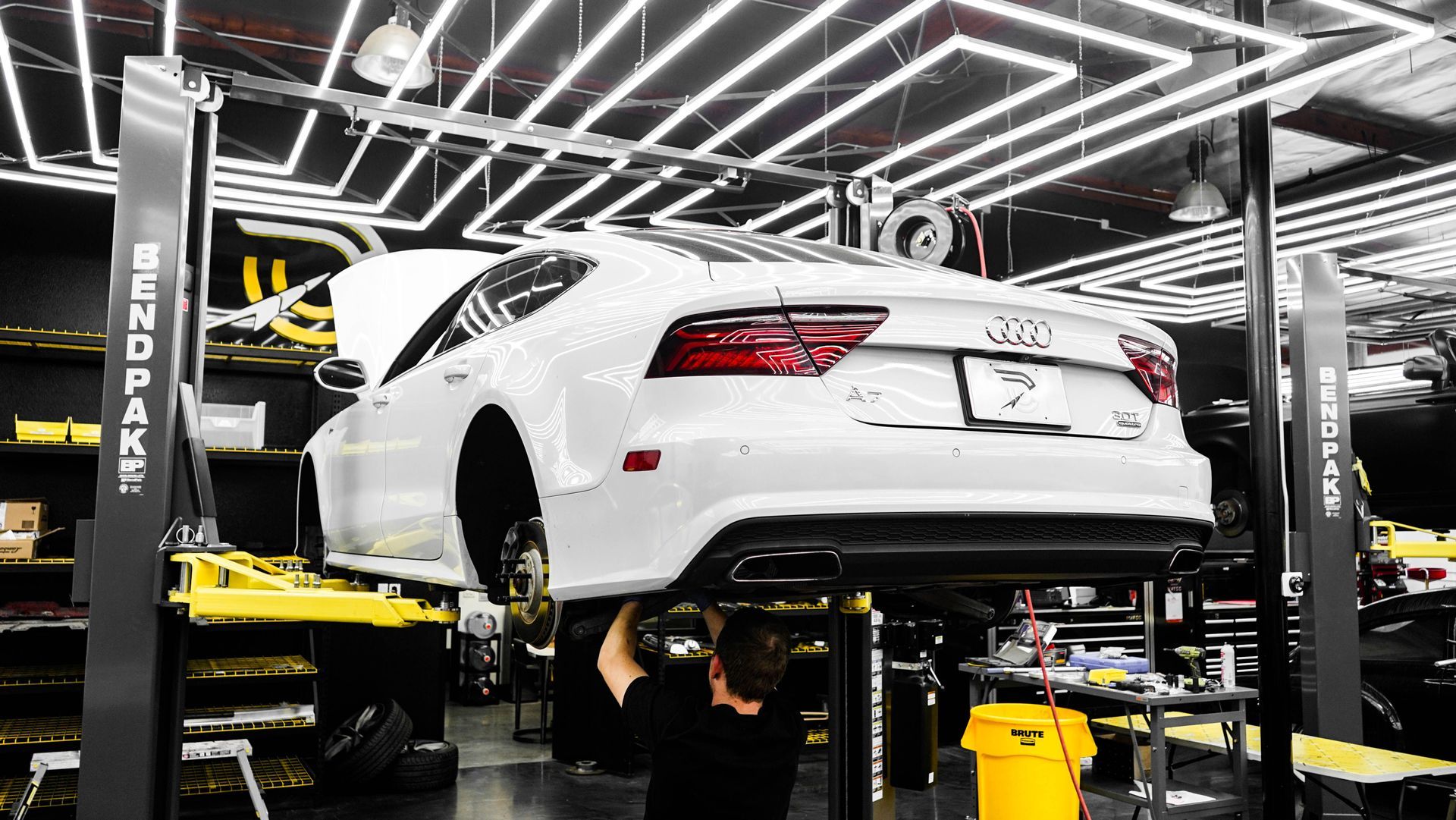
German Autowerke works only on German makes. Our owner, Vince, is BMW Master certified, our technicians are ASE certified, and some are ASE Master certified. See the German vehicles we service.
We've been a family-owned shop in Oceanside, serving North County San Diego, since 1989. Call (760) 721-3321, and we'll be glad to help.