Why Is My German Car Repair Bill So High? (and How to Tell If It's Fair)
This is a subtitle for your new post
A German car repair bill is mostly two things: parts and labor. German cars use parts built to the maker's specifications, many jobs take more time because parts are packed tightly, and diagnosis often needs factory-level tools. Labor rates in California also run among the highest in the country. A fair bill is itemized, matches the written estimate you approved, and comes with a clear explanation.
Nobody likes a surprise at the counter. Here's what's behind the number.
What goes into a repair bill?
Most bills break down into a few parts:
- Parts. German cars often need parts and fluids that meet the manufacturer's standards. Quality parts cost more, but cheap ones can fail early.
- Labor. Shops typically charge by the job, based on how long the repair should take, multiplied by their hourly rate.
- Diagnosis. Finding the real cause takes skilled time and specialized equipment.
- Shop supplies and fees. Small items like cleaners, plus disposal of old fluids. In California these must be listed on the estimate.
- Sales tax on parts.
What affects a shop's labor rate?
It depends on where you live and the type of shop. Labor rates in California tend to run higher than in many other states, and coastal Southern California tends to be on the higher end because of local costs, and dealerships often charge more than independent shops.
The best way to compare is to ask a shop for its posted rate and a written estimate for the same job.
Why do German cars cost more to repair?
- Tight packaging. A part that's easy to reach on one car might be buried behind other parts on a German car. More time means more labor.
- Specific parts and fluids. Oil, coolant, and parts often need a factory approval.
- Programming. Some new parts need to be coded to the car before they work.
- Specialized tools. Factory diagnostic software and special tools are a real investment for the shop.
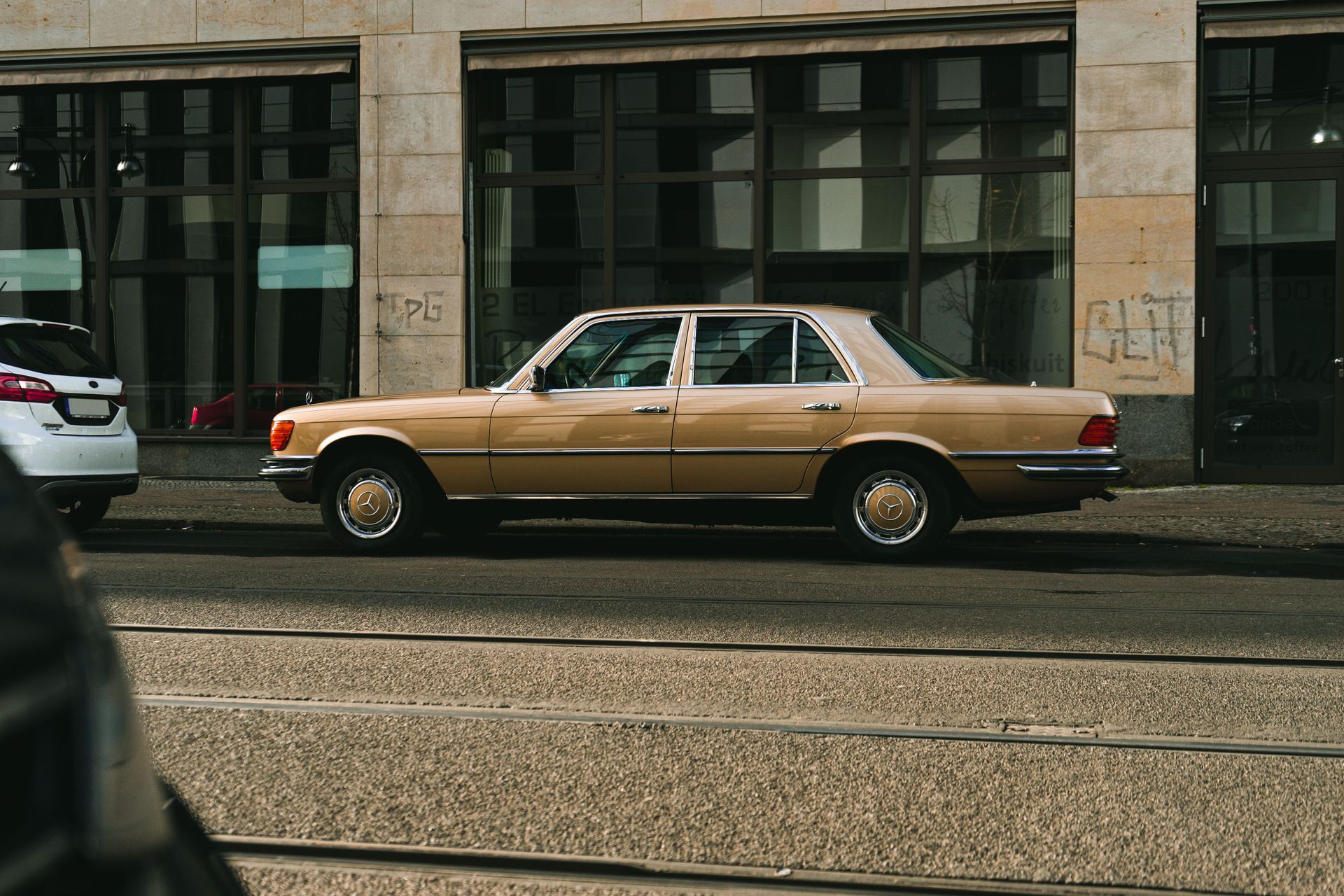
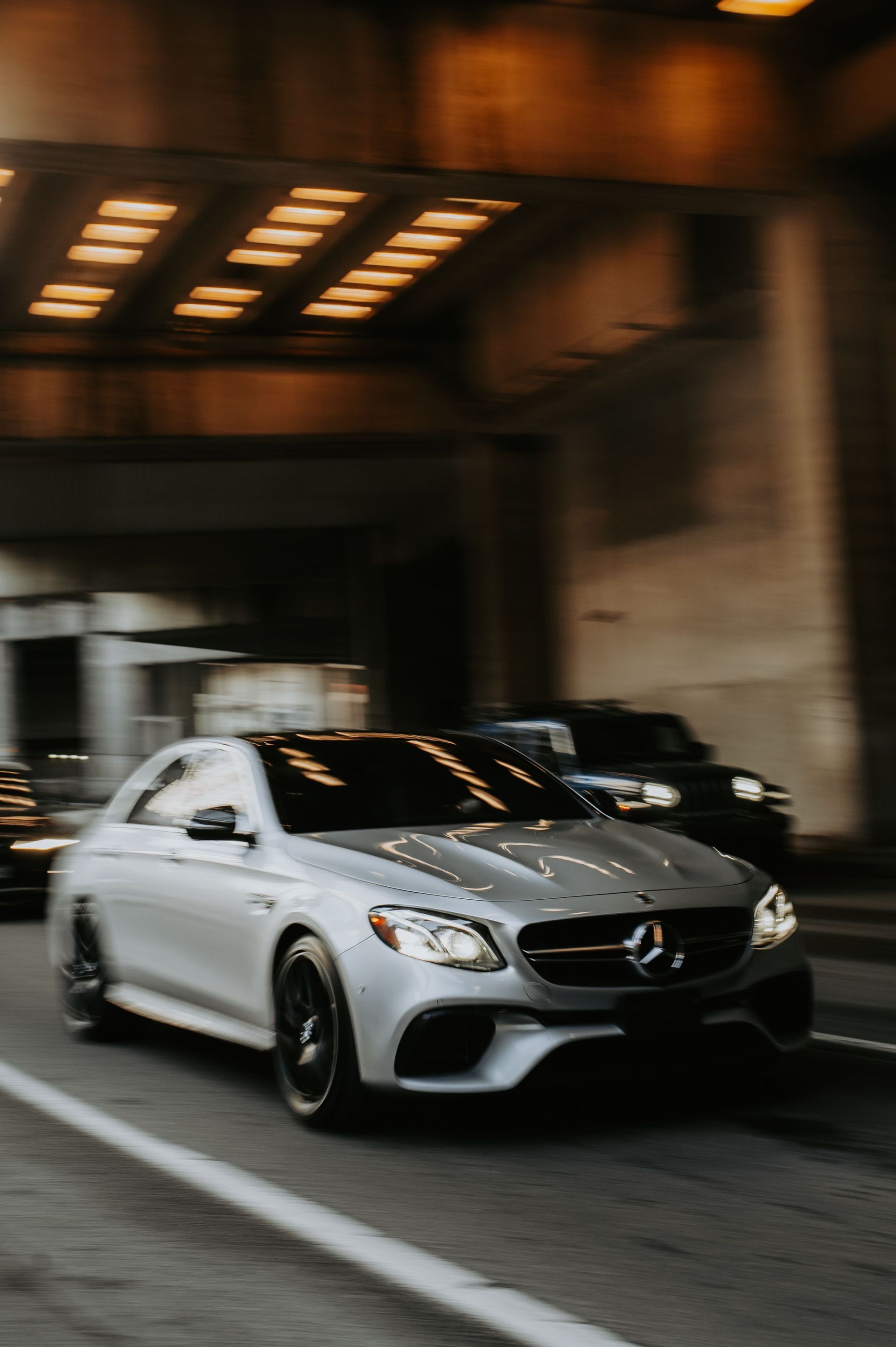
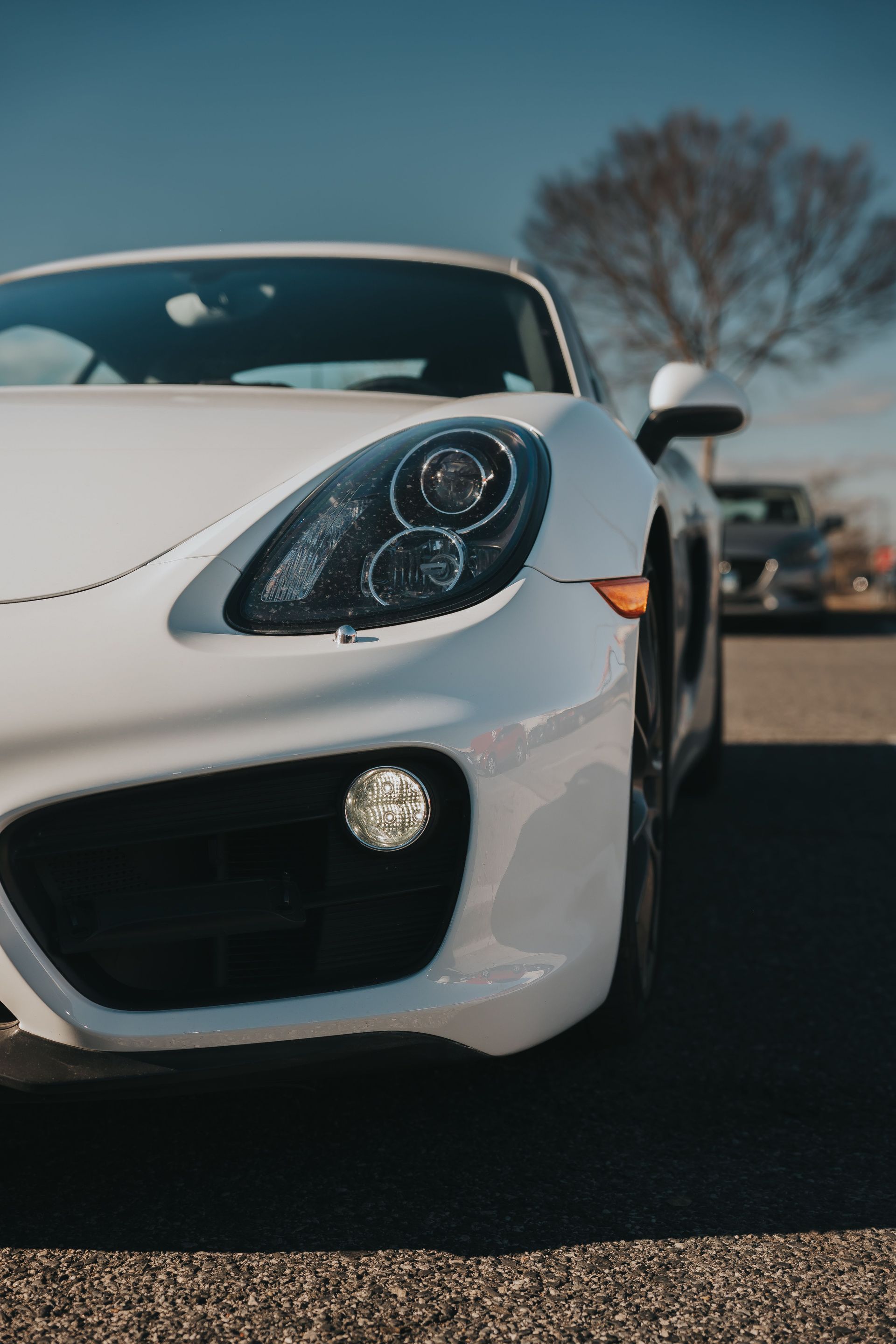
For brand-specific details, see our posts on Mercedes maintenance costs and why Porsche maintenance costs more.
How do I know if my mechanic is charging fair prices?
- Get a written estimate first. California shops must give you an estimate and get your OK before starting work, and ask again before going over it. The Bureau of Automotive Repair explains your rights.
- Ask for it itemized. Parts, labor, and fees should be listed separately.
- Ask how they found the problem. A clear diagnosis is worth paying for.
- Compare apples to apples. Two quotes can differ because of parts quality, warranty, or what's included.
- Check the warranty. A longer warranty on parts and labor can be worth a slightly higher price.
Can I negotiate repair prices?
Haggling over the hourly rate usually doesn't get far, but there are honest ways to lower the bill:
- Ask what's urgent and what can wait. Spreading repairs out can make them easier to budget.
- Ask about parts options. Sometimes a quality OEM part costs less than the dealer-boxed version.
- Bundle work when it makes sense. If two jobs share labor, doing them together can save money.
- Look for coupons. Check our current coupons.
- Ask about financing for bigger repairs. Here are our financing options.
Frequently asked questions
Why is labor so expensive at car repair shops?
Labor covers a trained technician's time plus the tools, software, training, and equipment the shop needs. In California, wages and business costs are higher than in most states, which shows up in shop rates.
How do I know if a car repair quote is fair?
Ask for a written, itemized estimate and an explanation of how the problem was found. Compare quotes for the same parts and warranty, not just the bottom line.
Can I negotiate with my mechanic?
You can ask for options, like prioritizing urgent repairs, choosing different parts, or using a coupon. Most shops won't lower their hourly rate, but a good one will help you find a plan that fits your budget.
Why did my bill end up higher than the estimate?
In California, a shop needs your approval before going over the estimate. If something new comes up during the repair, the shop should call you first.
Honest pricing in Oceanside
We'll always give you a written estimate, explain it line by line, and tell you what can wait. German Autowerke has been family-owned in Oceanside since 1989. Qualifying repairs are backed by our 4-year/40,000-mile in-house warranty and a 3-year/36,000-mile nationwide warranty for when you're traveling, subject to terms of coverage (warranty details). Internally lubricated parts like turbos, timing chains, head gaskets and transmissions carry the factory manufacturer warranty unless otherwise noted on your invoice. Have a third-party extended warranty? We can work with your warranty company on covered repairs.
Call us at (760) 721-3321. We're glad to walk you through any estimate, ours or someone else's.