BMW Timing Chain Problems: Which Models Are Affected?
BMW Timing Chain Problems: Which Models Are Affected?
BMW vehicles are known for their performance, luxury, and engineering. However, some BMW models have developed a reputation for timing chain problems that can lead to expensive repairs if not addressed early. Knowing which models are affected and recognizing the warning signs can help you avoid serious engine damage.
What Does a Timing Chain Do?
The timing chain synchronizes the crankshaft and camshaft, ensuring the engine's valves open and close at the correct time. Unlike a timing belt, a timing chain is designed to last longer, but it can still wear out over time.
When a timing chain stretches, guides wear down, or the tensioner fails, engine timing can become inaccurate and potentially cause internal engine damage.
Which BMW Models Commonly Experience Timing Chain Problems?
BMW timing chain issues are most commonly associated with vehicles equipped with the N20, N26, N47, and N57 engines.
N20 and N26 Gasoline Engines
Commonly affected models include:
● BMW 320i (2012–2018)
● BMW 328i (2012–2016)
● BMW 428i (2014–2016)
● BMW 528i (2012–2016)
● BMW X1 (2013–2015)
● BMW X3 (2013–2017)
● BMW X4 (2015–2018)
● BMW X5 xDrive40e (2016–2018)
N47 and N57 Diesel Engines
Commonly affected models include:
N47 Diesel Engine
● BMW 328d (2014–2018)
● BMW 328d xDrive (2014–2018)
● BMW X3 xDrive28d (2015–2017)
N57 Diesel Engine
● BMW 535d (2014–2016)
● BMW 535d xDrive (2014–2016)
● BMW X5 xDrive35d (2009–2018)
While not every vehicle equipped with these engines will experience timing chain failure, owners should be aware of the potential risk and monitor for early warning signs.
Common Symptoms of BMW Timing Chain Problems
If your BMW is experiencing timing chain issues, you may notice:
Rattling Noise During Startup
A metallic rattling noise, especially during cold starts, is often one of the first warning signs. This noise may become more noticeable as timing chain guides wear or the chain begins to stretch.
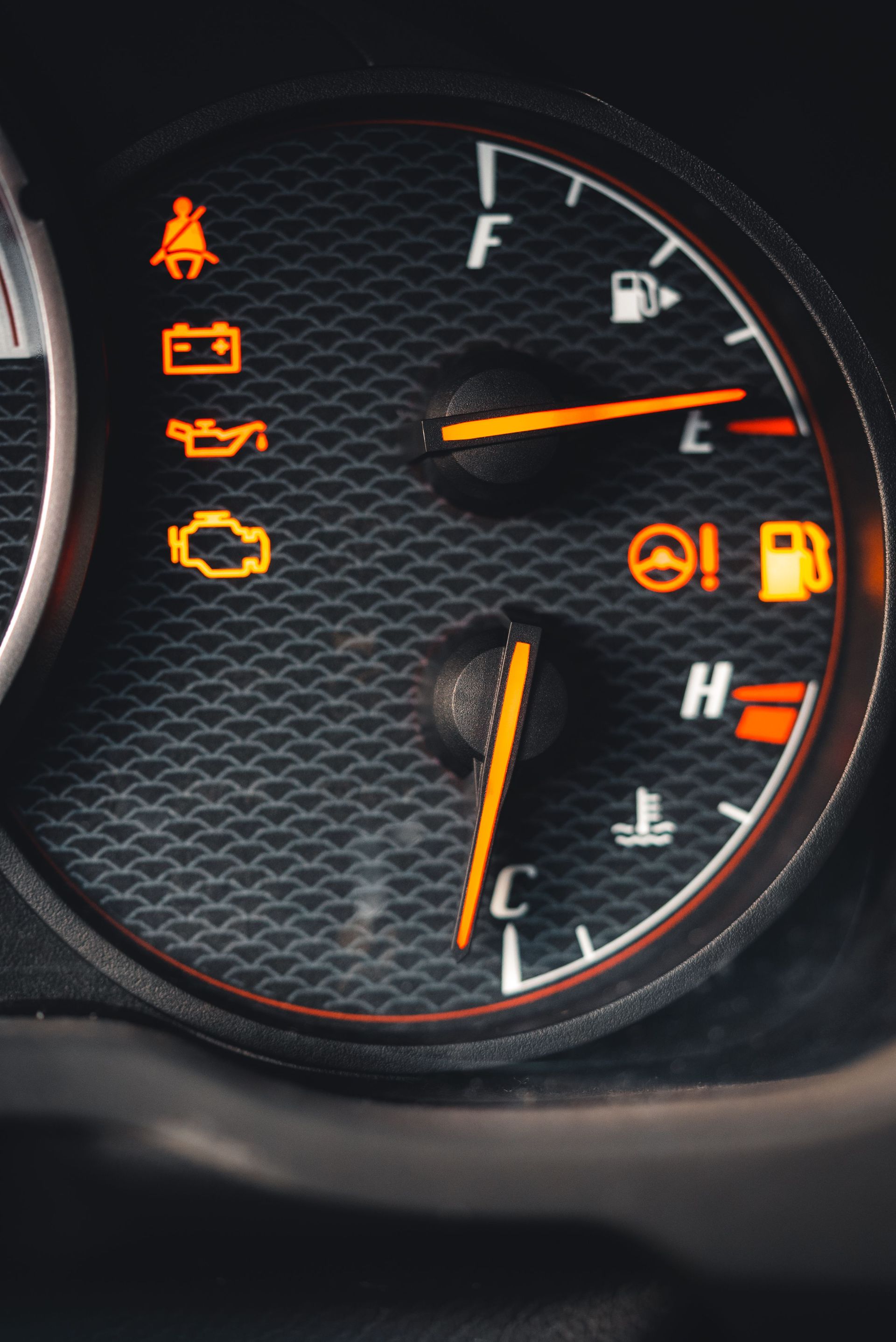
Check Engine Light
Timing deviations caused by chain wear can trigger the check engine light. Diagnostic testing may reveal camshaft timing or synchronization-related fault codes.
Rough Idle or Misfires
Improper valve timing can affect engine performance, causing rough running, hesitation, or misfires.
Reduced Performance
You may experience sluggish acceleration, decreased power, or poor fuel economy as engine timing becomes less precise.
Engine Won't Start
In severe cases, a timing chain can jump timing or fail completely, preventing the engine from starting.
Common BMW Timing Chain Fault Codes
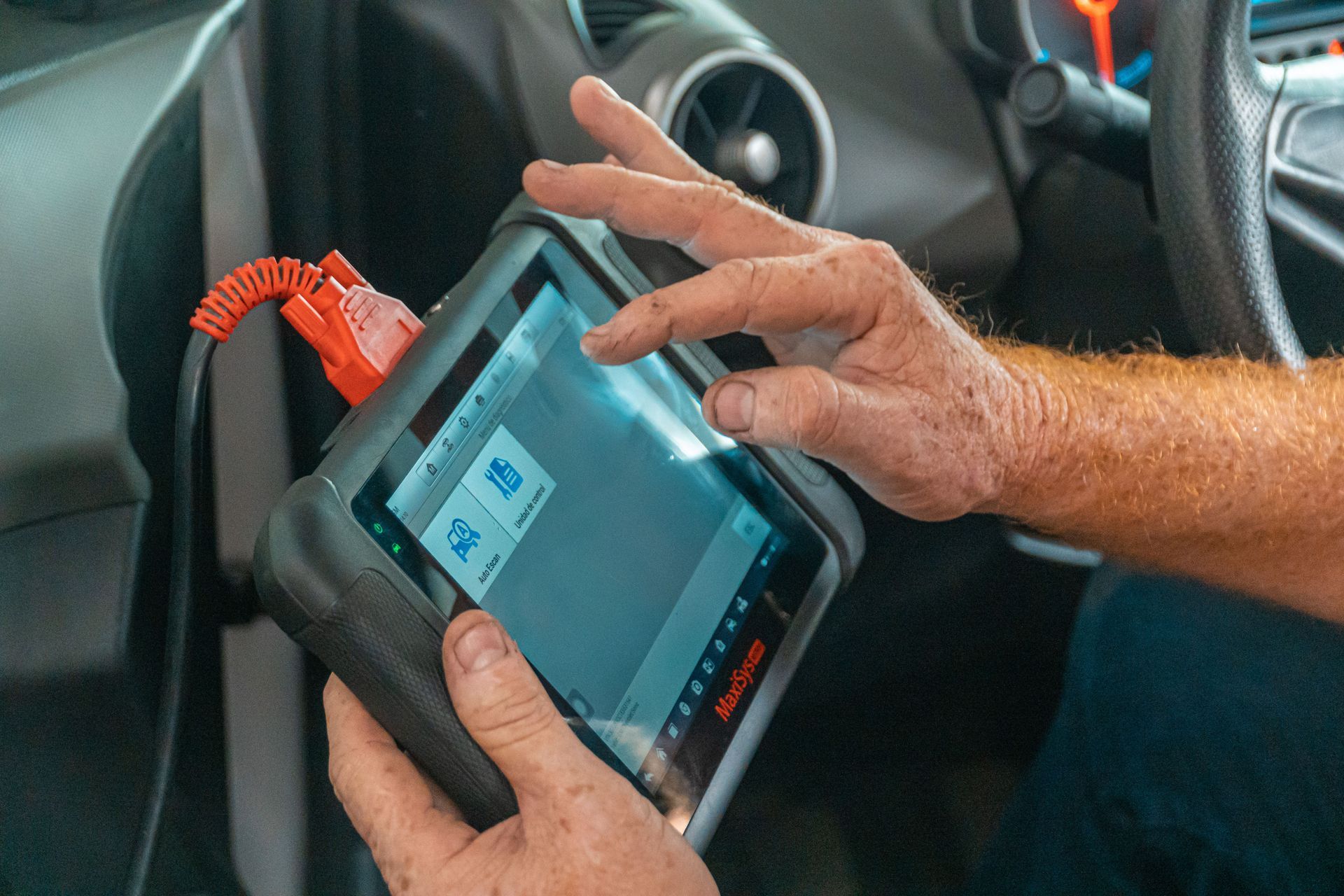
When diagnosing timing chain issues, technicians often encounter fault codes related to camshaft timing and engine synchronization. While these codes do not automatically confirm a failed timing chain, they may indicate timing-related problems that require further inspection.
P0012 – Camshaft Position Timing Over-Retarded (Bank 1)
May indicate a stretched timing chain, worn guides, or a failing tensioner.
P0015 – Exhaust Camshaft Position Timing Over-Retarded
Points to an exhaust camshaft timing issue that could be related to timing chain wear.
P0016 – Crankshaft Position and Camshaft Position Correlation
Often appears when the engine detects a mismatch between crankshaft and camshaft timing.
P0017 – Crankshaft Position and Exhaust Camshaft Correlation
Can indicate improper synchronization caused by timing chain wear.
P052B – Cold Start Camshaft Position Timing Over-Retarded
Frequently associated with timing chain stretch or valve timing issues.
130F20 – Exhaust Camshaft Not Locked in Position
A BMW-specific code that may indicate timing chain or VANOS-related concerns.
What Happens If Timing Chain Problems Are Ignored?
Ignoring timing chain symptoms can lead to significant engine damage. If the chain jumps timing or fails completely, pistons and valves can collide, resulting in:
● Bent valves
● Cylinder head damage
● Valve train damage
● Internal engine damage
Depending on the severity, repairs may require cylinder head removal, valve replacement, or, in extreme cases, engine replacement.
Because BMW engines are interference engines, a timing chain failure can quickly turn a relatively straightforward repair into a major engine rebuild.
How to Prevent BMW Timing Chain Problems
While no timing chain lasts forever, these practices can help extend its lifespan:
Follow Recommended Oil Service Intervals
Clean oil helps reduce wear on timing chain components and hydraulic tensioners.
Use High-Quality, Manufacturer-Approved Engine Oil
Using the correct oil viscosity and specification helps ensure proper lubrication and chain tensioner operation.
Address Check Engine Lights Promptly
Ignoring fault codes can allow timing chain wear to worsen over time.
Investigate Startup Rattles Immediately
Early diagnosis can often prevent more extensive damage and higher repair costs.
Schedule Inspections for Higher-Mileage Vehicles
Routine inspections can identify timing chain wear before it becomes a serious problem.
Trust German Autowerke for BMW Timing Chain Repairs
BMW timing chain problems can quickly turn from a minor repair into a major engine issue if left unchecked. If you've noticed rattling noises, timing-related fault codes, or a check engine light, it's important to have your vehicle inspected as soon as possible.
At German Autowerke, our experienced technicians specialize in diagnosing and repairing BMW timing chain issues. We'll identify the root cause of the problem and recommend the appropriate repair before more extensive damage occurs.
Whether your BMW is equipped with an N20, N26, N47, or N57 engine, our team has the expertise and diagnostic equipment necessary to accurately assess the condition of your timing chain system.
If your BMW is showing signs of timing chain trouble, contact German Autowerke today to schedule a professional inspection.