What Is a Porsche Bore Scope Inspection? (And When You Need One)
A Porsche bore scope inspection uses a small camera on a flexible probe, inserted through the spark plug holes, to look at the cylinder walls, pistons, and combustion chambers without taking the engine apart. It's most often done before buying a Porsche, or when an engine is burning oil, misfiring, or making noise.
A Porsche can run smoothly, show no warning lights, and still have internal engine wear developing where you can't see it. That's what makes this inspection so valuable, whether you're buying a used Porsche or trying to get to the bottom of an engine concern.
How does a bore scope inspection work?
A bore scope is a small camera on a flexible probe. The technician removes the spark plugs and feeds the camera into each cylinder, where it provides detailed images of the cylinder walls, pistons, and combustion chambers.
Because it doesn't require major disassembly, it's one of the most efficient ways to evaluate the inside of an engine. It can reveal wear or damage that would otherwise stay hidden until more serious symptoms show up.
What can a bore scope inspection find?
Cylinder scoring
Cylinder scoring is one of the main reasons Porsche owners ask for a bore scope inspection. Certain Porsche engines are known to be prone to it. Scoring means deep scratches on the cylinder walls, which can hurt performance, increase oil consumption, and eventually lead to major engine repairs.
The inspection lets a technician look closely at each cylinder wall. Early signs of scoring can often be spotted before the owner notices any drivability problems.
Piston and combustion chamber damage
The pistons and combustion chambers can say a lot about how an engine has been running. A bore scope may show signs of:
- Piston damage
- Heavy carbon buildup
- Detonation
- Damage from a foreign object
- Abnormal combustion patterns
These findings help a technician diagnose performance concerns and decide whether more testing or repairs are needed.
Should you get a bore scope inspection before buying a used Porsche?
For most buyers, yes. It's one of the most valuable parts of a pre-purchase inspection.
Many engine problems can't be found on a test drive. A car can look well cared for and still have internal wear that will be expensive to fix later. Looking inside the cylinders before you buy gives you a clearer picture of the engine and more confidence in your decision.
For engines known to have cylinder scoring concerns, this extra step can bring real peace of mind. It pairs well with an over-rev report, which shows how hard the engine has been revved over its life.
When does a bore scope inspection make sense?
Besides pre-purchase inspections, it's worth considering if your Porsche shows any of these symptoms:
- Increased or excessive oil consumption
- Knocking or ticking engine noises
- More exhaust smoke than usual
- Reduced performance
- Rough running or unusual vibration
- Misfires that keep coming back
These symptoms don't automatically mean cylinder damage, but they often justify a closer look. Instead of guessing from outside symptoms, a technician can see the internal parts and tell whether mechanical damage is part of the problem.
Why doesn't every Porsche engine problem show symptoms?
One challenge of Porsche ownership is that serious engine wear doesn't always announce itself. Your car can still feel fast, responsive, and fun to drive while wear quietly develops inside the cylinders.
That's why many experienced Porsche owners choose to be proactive. For enthusiasts who plan to keep their car for years, or buyers who want confidence in a purchase, the information from this inspection can be invaluable.
Is a bore scope inspection worth it?
For many Porsche owners, the biggest value is certainty. Seeing the cylinders firsthand takes most of the guesswork out of the decision, whether you're evaluating a car to buy or trying to understand a developing problem.
The cost of an inspection is small compared to the potential cost of major engine repairs. Most importantly, it lets you make decisions based on the engine's actual condition, not assumptions.
Frequently asked questions
Does a bore scope inspection require taking the engine apart?
No. The camera goes in through the spark plug openings, so no major engine disassembly is needed.
Can a bore scope inspection detect cylinder scoring?
Yes. Checking the cylinder walls for scoring is one of the main reasons Porsche owners and buyers request this inspection.
Is a bore scope inspection the same as an over-rev report?
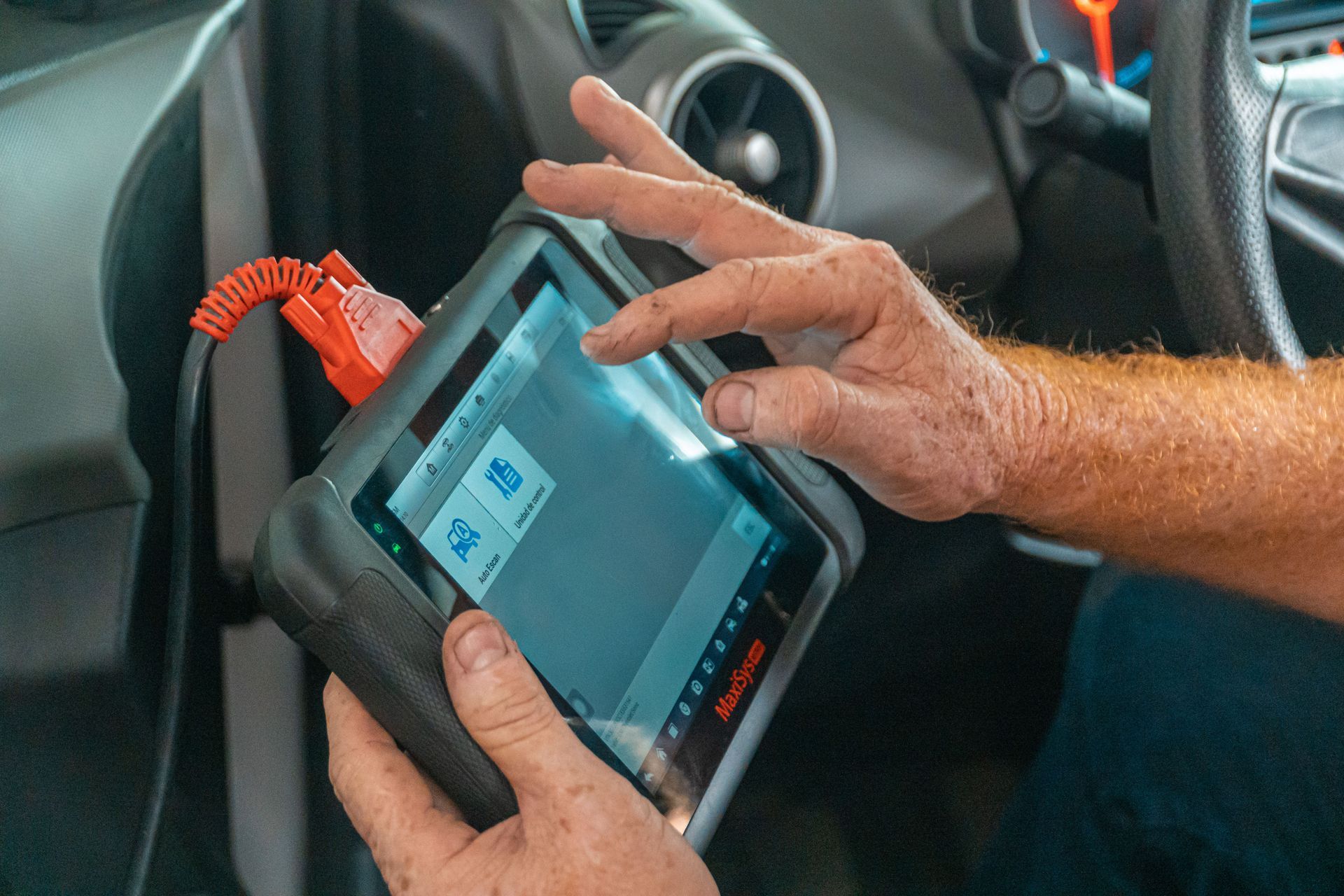
No. An over-rev report reads stored engine data to show whether the engine has been revved past its limits. A bore scope inspection is a visual look inside the cylinders. Together, they give a more complete picture of engine health.
Should I get one if my Porsche is using more oil?
It's a good idea. Rising oil consumption is one of the symptoms that often justifies a look inside the engine, along with misfires, knocking or ticking, and extra exhaust smoke.
Porsche bore scope inspections in Oceanside, CA
At German Autowerke, we know Porsche ownership is about more than transportation. For many owners, these cars represent years of driving enjoyment and a significant investment.
If you're thinking about buying a used Porsche, noticing engine symptoms, or just want a clearer picture of your engine's health, we can help. We'll perform a professional bore scope inspection, walk you through what we see, and give you straight answers about what it means.
Call (760) 721-3321 or book online to schedule an inspection at our Oceanside shop, serving drivers across North County San Diego.