Carbon Buildup on Direct Injection German Engines: Signs and Fixes
If your BMW, Audi, Volkswagen, Mercedes-Benz, or Porsche has a direct injection engine, carbon can slowly build up on the intake valves. That's because direct injection sprays fuel straight into the cylinder, so no fuel washes over the valves to keep them clean. Over time the buildup can cause a rough idle, hesitation, and lost power. When the deposits get heavy, the most reliable fix is a professional cleaning such as walnut blasting.
Here's a plain-English look at why it happens, what to watch for, and what you can do about it.
Why do direct injection engines get carbon buildup?
Every engine makes a little oil vapor. To keep that vapor out of the air, the engine's ventilation system (often called the PCV system) sends it back into the intake to be burned.
On older engines, fuel was sprayed just behind the intake valves, so the gasoline rinsed them clean all the time. Direct injection moved the injector into the combustion chamber. Now the oily vapor passes over dry, hot valves and slowly bakes into hard carbon.
How fast it builds up depends on the engine design, how the car is driven, and how well it's been maintained. Lots of short trips around town, where the engine never fully warms up, tend to make it worse.
What are the signs of carbon buildup?
Carbon builds slowly, so the symptoms creep in and are easy to get used to. Watch for:
- Rough or shaky idle, especially on a cold start
- Hesitation or stumbling when you press the gas
- Sluggish throttle response or slower acceleration
- Less power than you remember
- Worse fuel economy
- Engine misfires
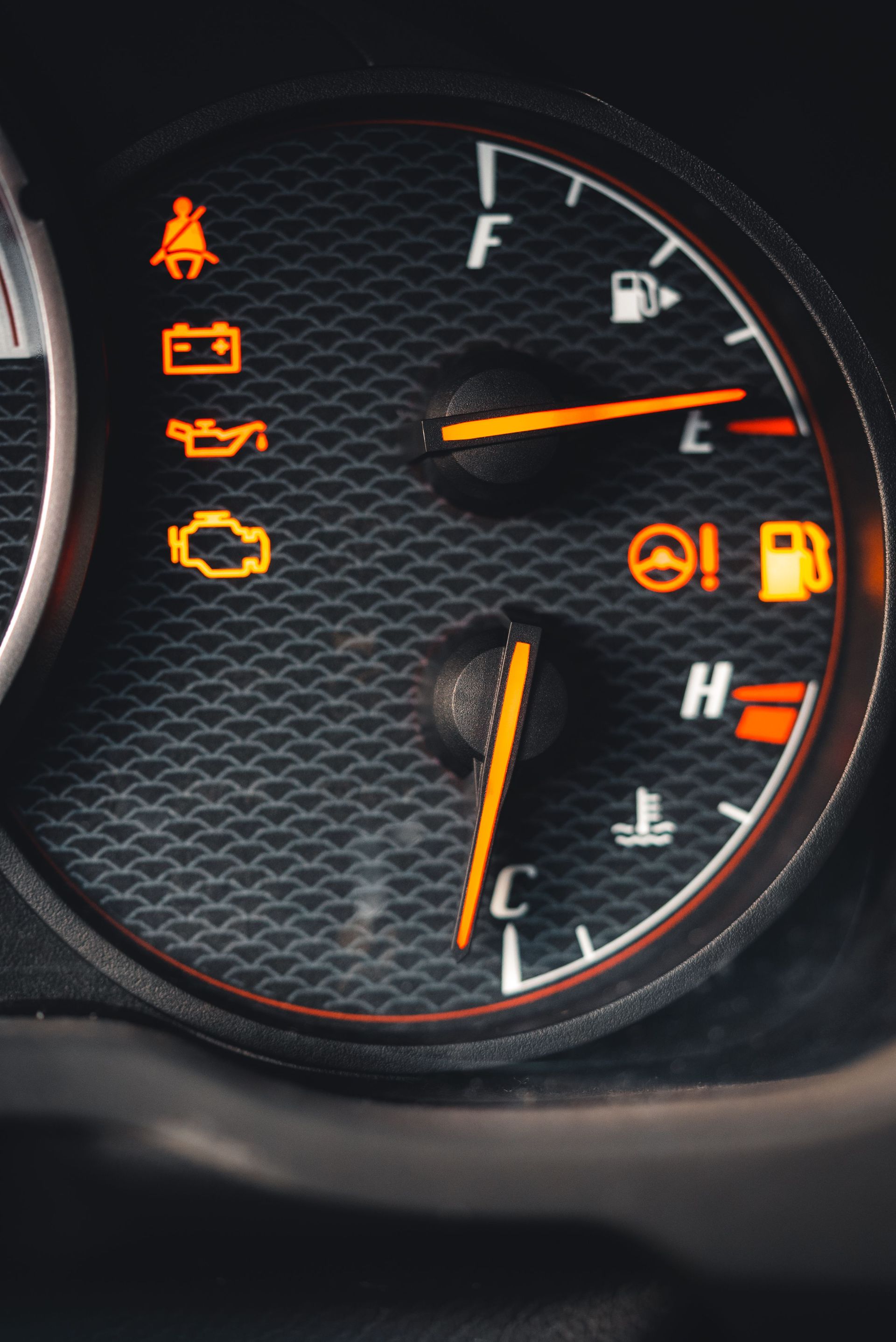
- A Check Engine light
These symptoms can also come from worn spark plugs, ignition coils, or fuel system problems. That's why it pays to have the car properly diagnosed instead of guessing. If your Check Engine light is on, our check engine light diagnostics can pinpoint the cause.
Which German engines are most likely to get it?
Many direct injection engines from BMW, Audi, Volkswagen, Mercedes-Benz, and Porsche can build up carbon. It became a well-known issue on the first generations of direct injection engines from the mid-2000s and early 2010s.
Some newer engines help prevent it. For example, later versions of the popular VW/Audi 2.0T (the EA888 "Gen 3" and newer) add a second set of port injectors that spray fuel on the valves at certain times. Engines like these tend to build up less carbon, but it can still happen. If you're not sure which engine you have, we're happy to take a look.
Do fuel additives clean carbon off intake valves?
Not really. Fuel additives in the gas tank travel with the fuel, and on a direct injection engine the fuel never touches the intake valves. Some intake cleaning sprays can help a little with light deposits, but once carbon is thick and hard, they usually aren't enough. Good fuel and regular oil changes with the right synthetic oil help slow buildup, but they won't remove what's already there.
What is walnut blasting?
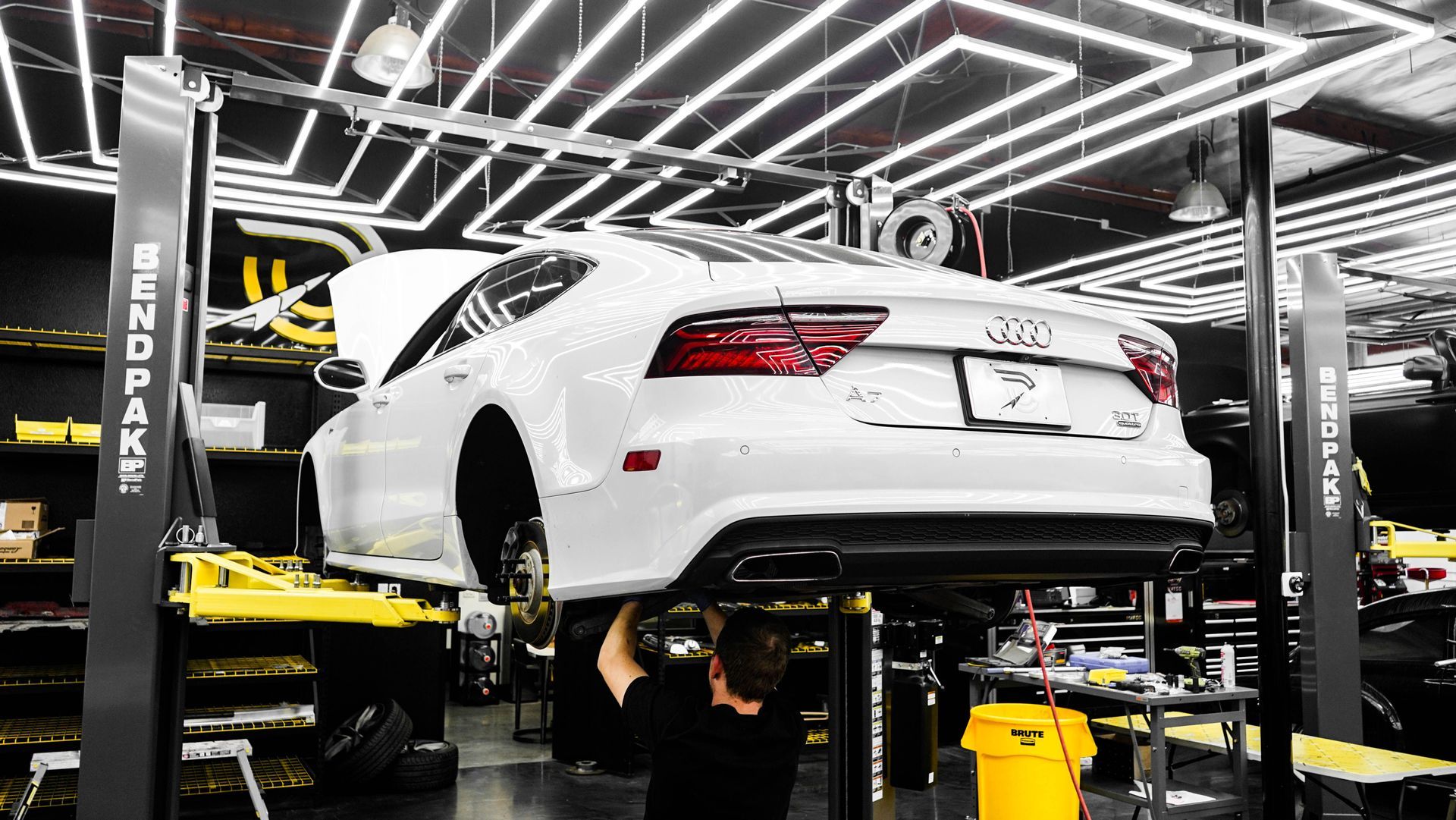
Walnut blasting is the go-to professional cleaning for intake valve carbon. The technician removes the intake manifold, then uses compressed air to blast finely crushed walnut shells at the valves. The shells are hard enough to knock off carbon but soft enough not to harm the metal. Everything is vacuumed out before the engine is put back together. We do walnut blasting in-house at our Oceanside shop.
After a cleaning, many drivers notice a smoother idle, quicker throttle response, and power that feels closer to new. Results depend on how bad the buildup was and whether anything else is wrong with the engine.
Is it bad to wait?
Carbon doesn't go away on its own. As it builds, airflow keeps getting worse, and you may see more misfires, rougher running, and extra wear on parts like spark plugs and ignition coils. Heavy, baked-on deposits can also take more work to remove. Catching it early keeps your engine running well and can save you from chasing other repairs that won't fix the real problem.
Carbon cleaning in Oceanside, CA
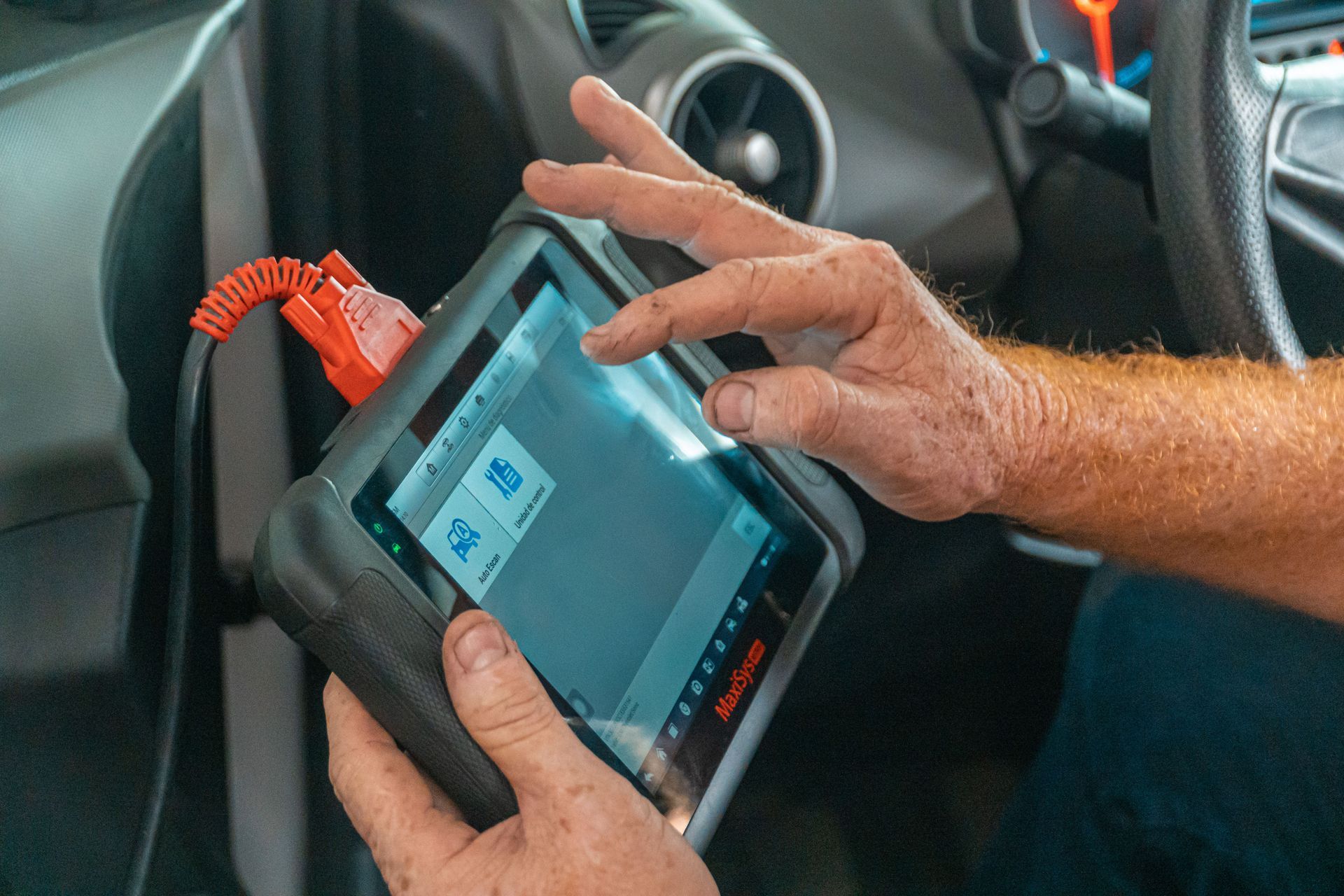
If your German car is idling rough, hesitating, or just feels tired, bring it to German Autowerke. We've been a family-owned shop in Oceanside since 1989. Our ASE-certified techs use factory diagnostic tools to find out whether carbon is really the cause before recommending any cleaning. If it is, we handle the walnut blasting right here in our shop. No pressure, just honest answers.
Call us at (760) 721-3321 or stop by 1800 Ord Way, Oceanside. You can find more tips on our blog.
FAQ
How often does carbon need to be cleaned?
It varies a lot by engine and driving habits. Many cars never need it on a set schedule. The best approach is to clean it when symptoms or an inspection show heavy buildup.
Can I prevent carbon buildup?
You can slow it down. Regular oil changes with the correct oil, quality fuel, and regular highway drives that fully warm up the engine all help.
Does my newer German car have this problem?
Possibly, but less often. Many newer engines add port injection to help keep the valves clean. A quick inspection can tell you where yours stands.
Is walnut blasting safe for my engine?
Yes, when done correctly. The walnut media is softer than the metal parts, and the intake ports are sealed off and vacuumed clean afterward.