Pre-Purchase and Post-Purchase Inspections for Used German Cars
This is a subtitle for your new post
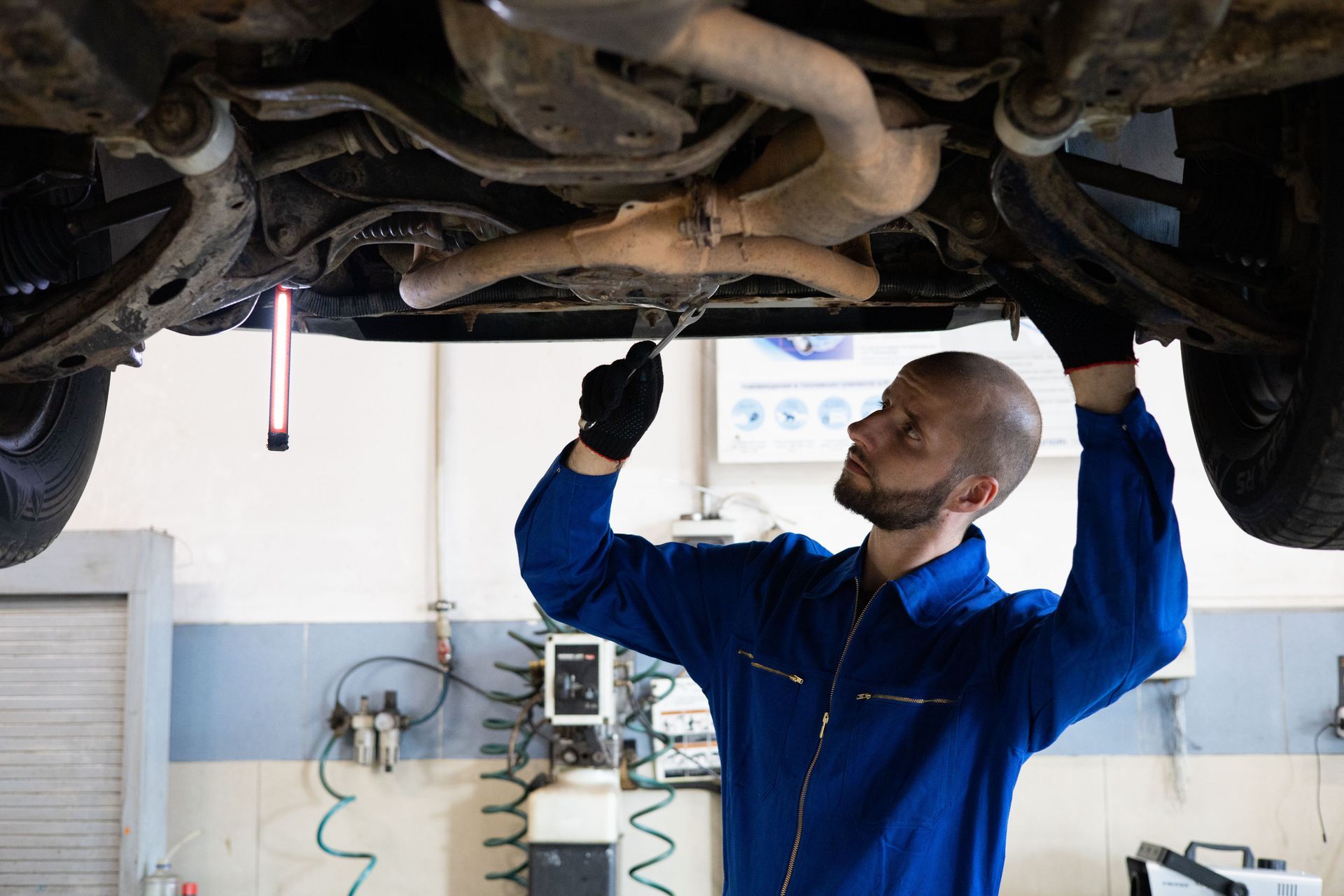
A pre-purchase inspection is a detailed check by a mechanic before you buy a used car. For a used BMW, Mercedes-Benz, Audi, Porsche, MINI, or Volkswagen, it's one of the smartest steps you can take, because these cars can look perfect and still hide expensive problems. Already bought the car? A post-purchase inspection shows you what it needs now and what's coming, so there are no surprises.
Here's how both inspections work and when they make sense.
What is a pre-purchase inspection?
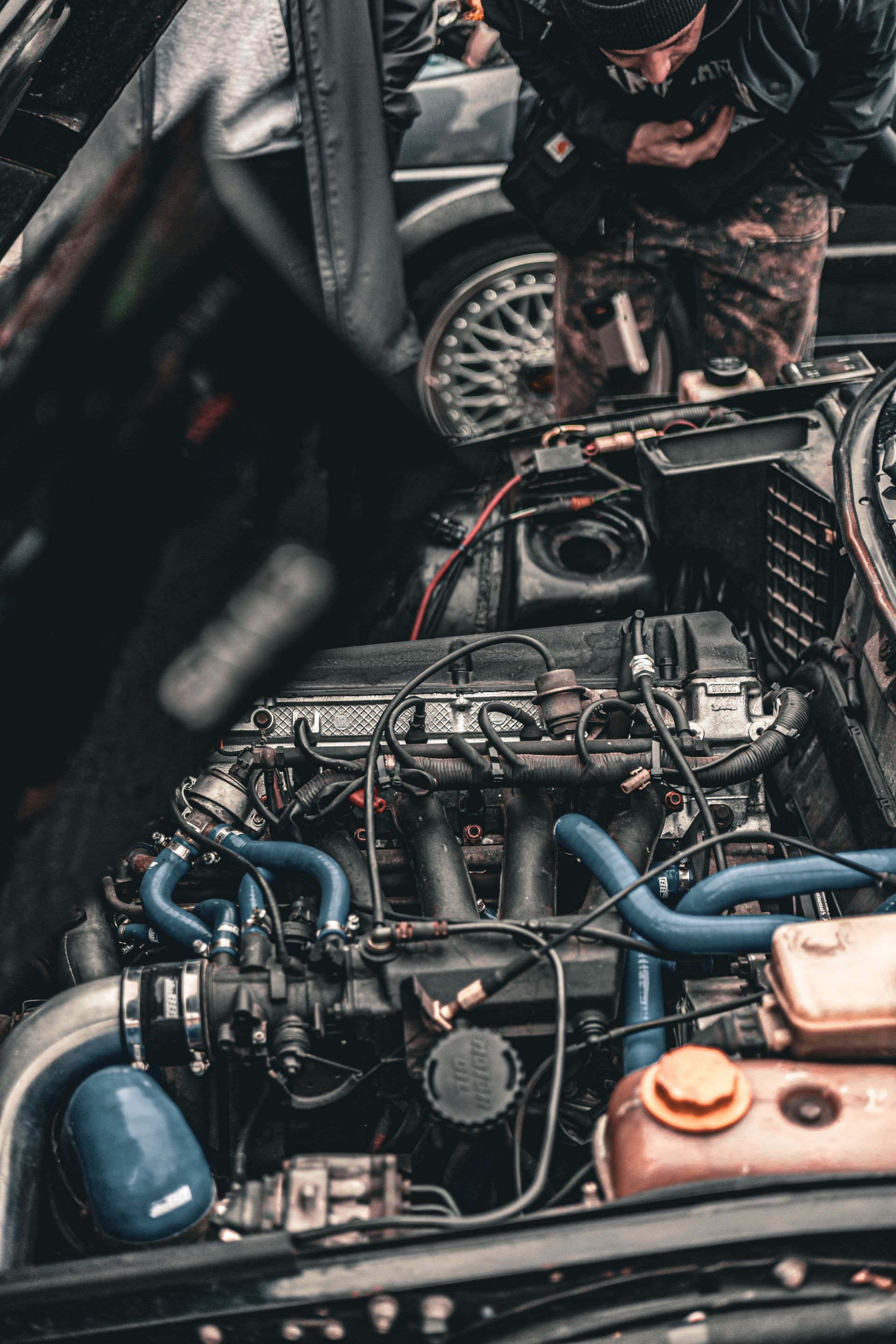
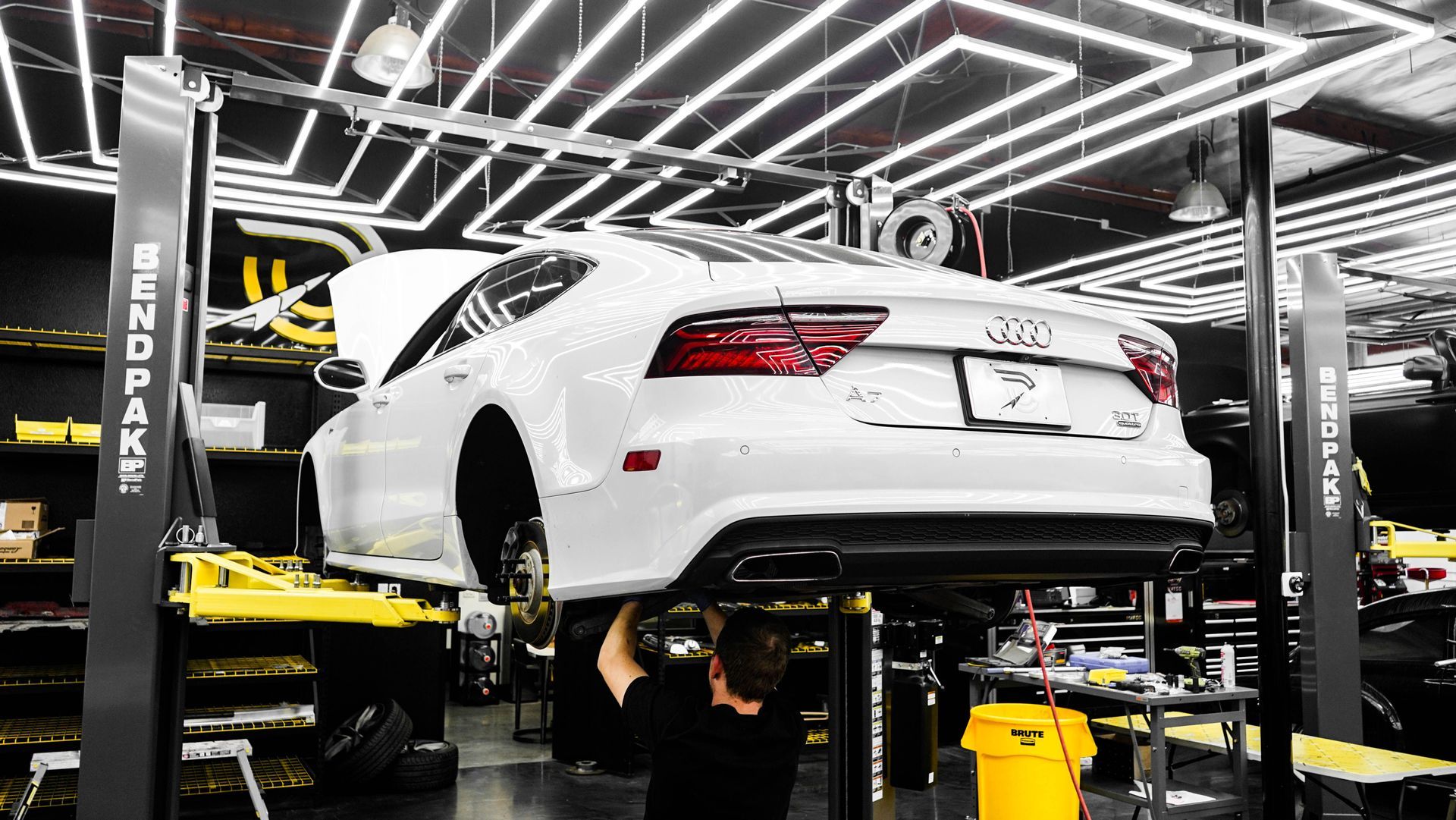
A pre-purchase inspection (PPI) goes well beyond the seller's description and the vehicle history report. A short test drive won't show you everything, so we look closely at:
- Engine oil leaks and other fluid leaks
- Cooling system condition
- Suspension and steering wear
- Brakes and tires
- How the transmission shifts
- Signs of past accident repairs
- Stored fault codes and electronic problems
- Service history and upcoming maintenance
A PPI can't predict the future, but it gives you real information. You can use it to negotiate the price, ask the seller to fix something, budget for upcoming repairs, or walk away from a bad car.
Why does a German car need a specialist inspection?
Each German brand has its own known weak spots. Some BMWs can have cooling system parts wear out early. Many Mercedes models with air suspension can develop leaks. Some Audi engines are known for timing chain or oil consumption concerns. A shop that works on German cars every day knows where to look for these.
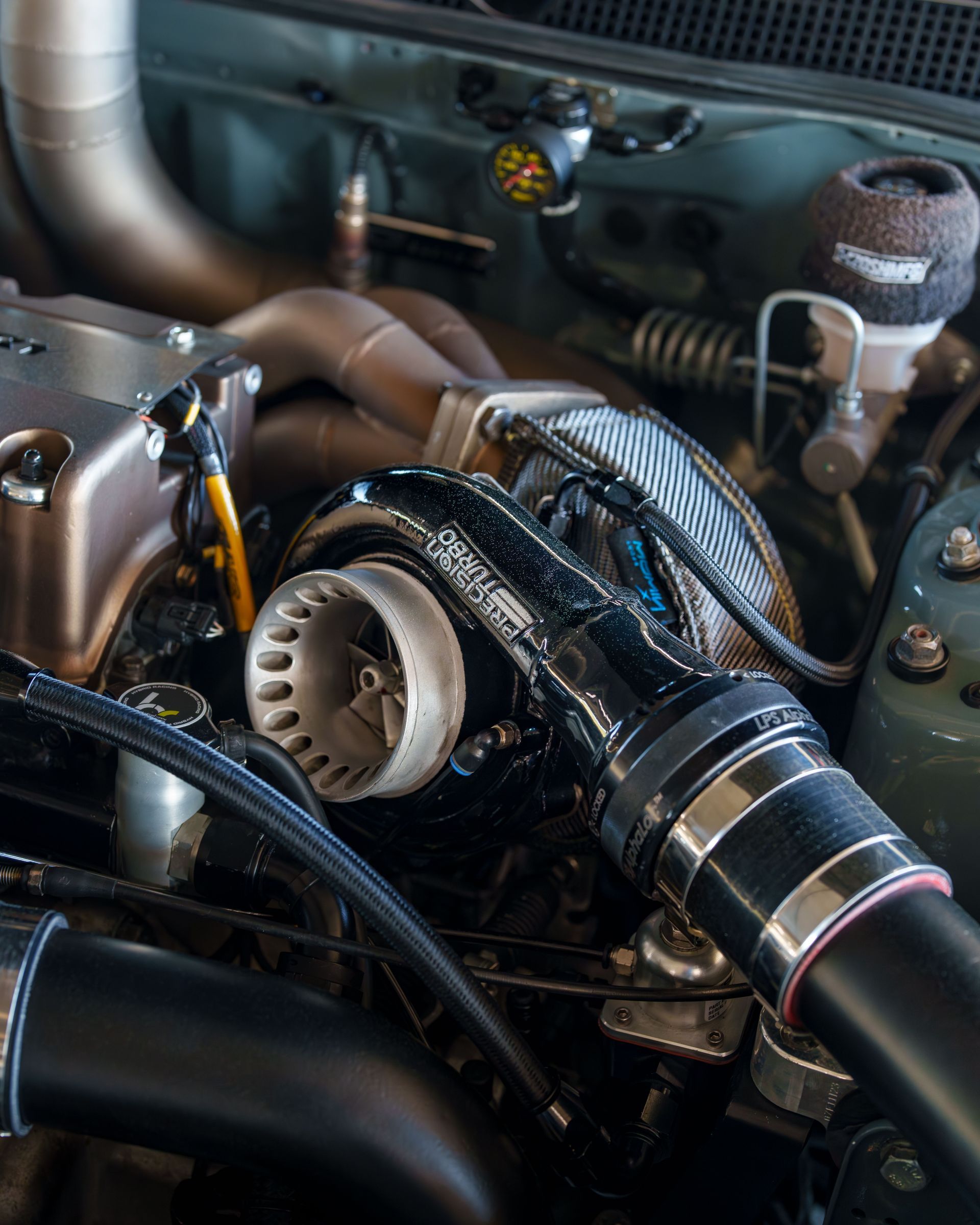
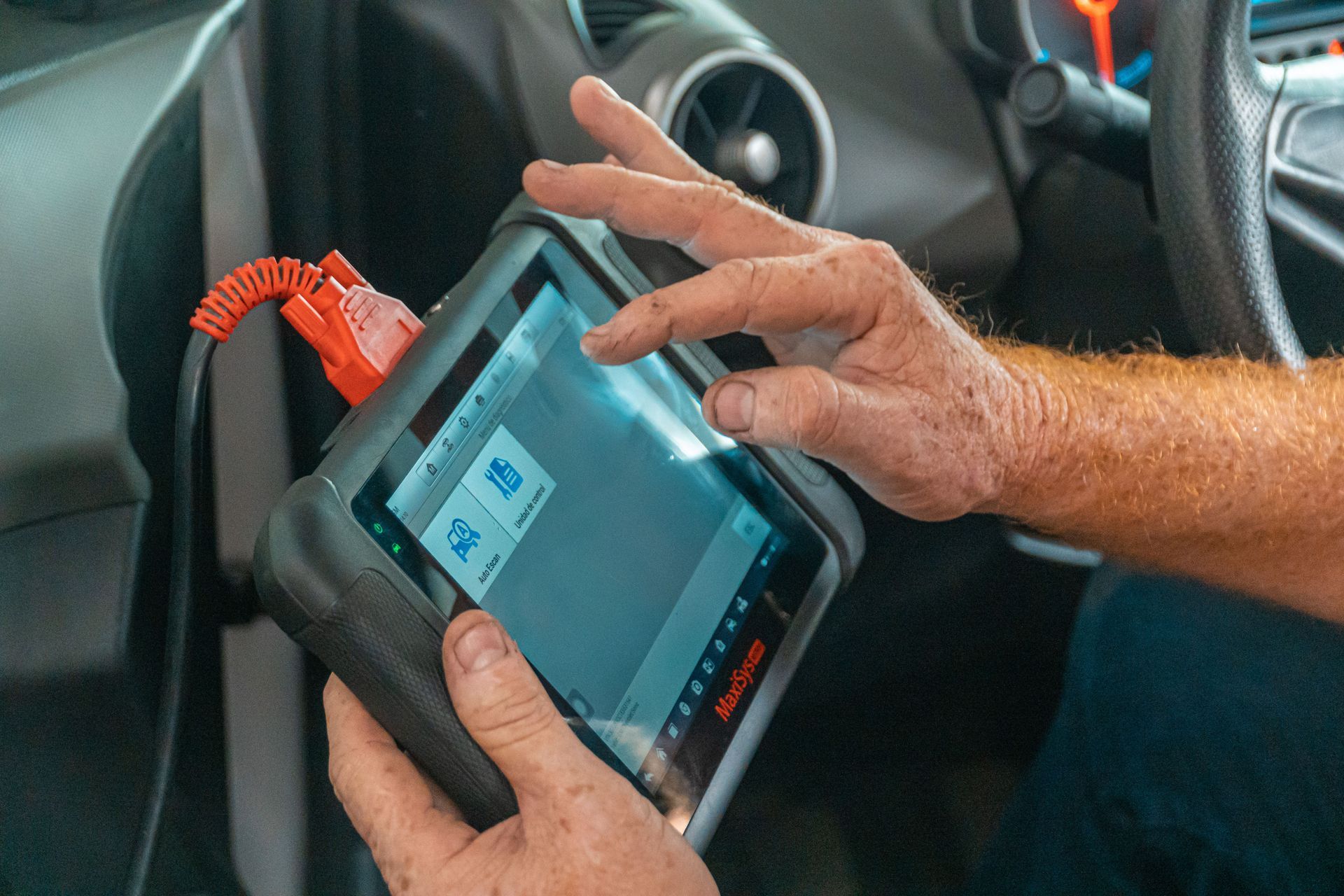
Factory diagnostic tools matter too. They let us read fault codes and module data that a generic scanner might miss. If you're looking at a Porsche, ask about an engine over-rev report and a bore scope inspection on certain models.
What can I check myself before buying?
Before you pay for an inspection, a few quick checks can rule a car out:
- Service records. Look for regular oil changes and records of big jobs like cooling system or transmission service.
- Open recalls. Run the VIN on the NHTSA recall lookup. Recall repairs are free at the dealer.
- History report. Check for accidents, flood damage, and title problems.
- A cold start. Ask the seller not to warm the car up before you arrive, and listen for rattles or rough running.
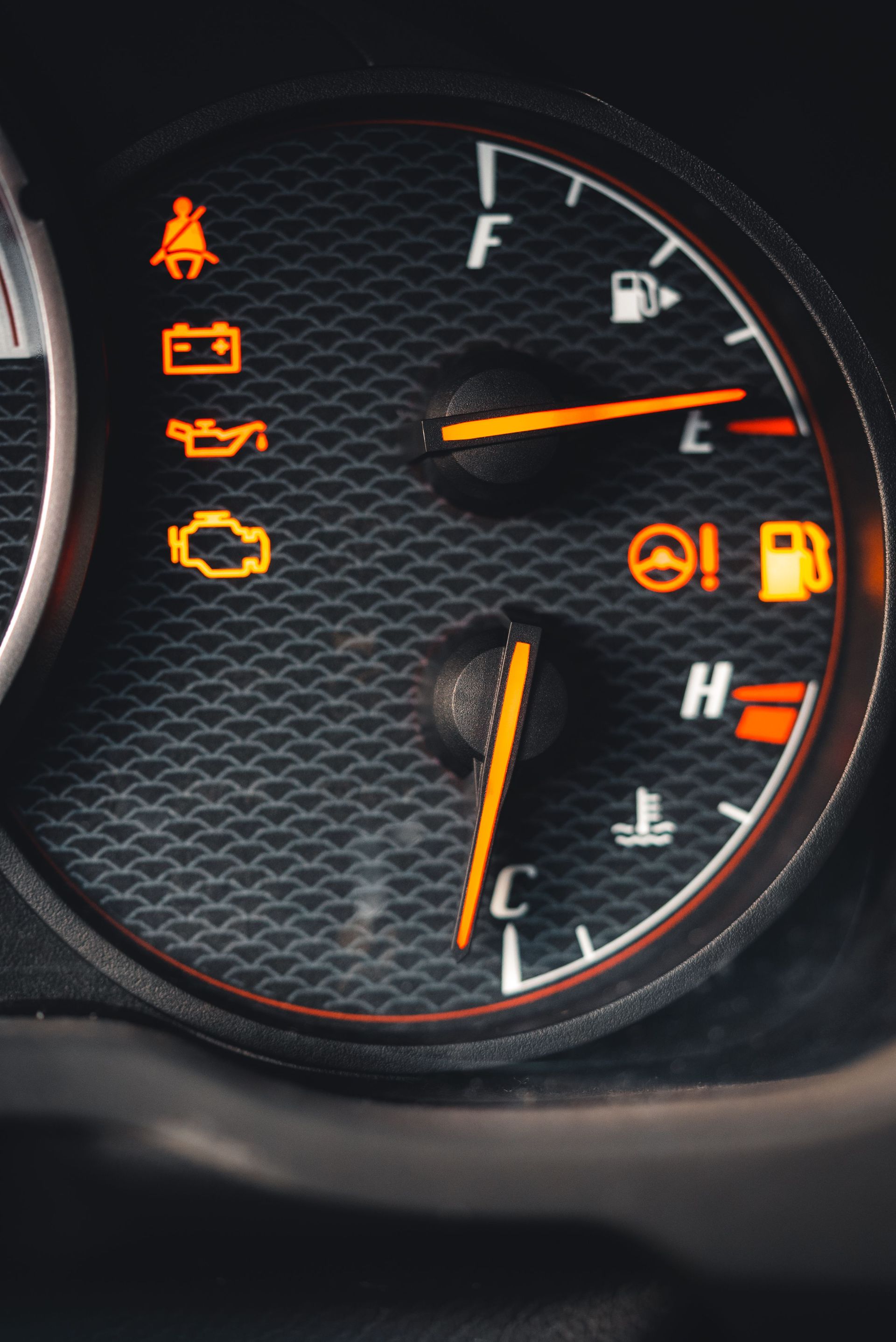
- Warning lights. They should all come on at startup and then go out.
If a seller won't let you get an inspection, treat that as a red flag.
What is a post-purchase inspection?
It isn't too late if you've already bought the car. A post-purchase inspection gives you a clear picture of its condition and a simple plan for what to do next. We sort findings into what needs attention now, what can wait a bit, and what to keep an eye on.
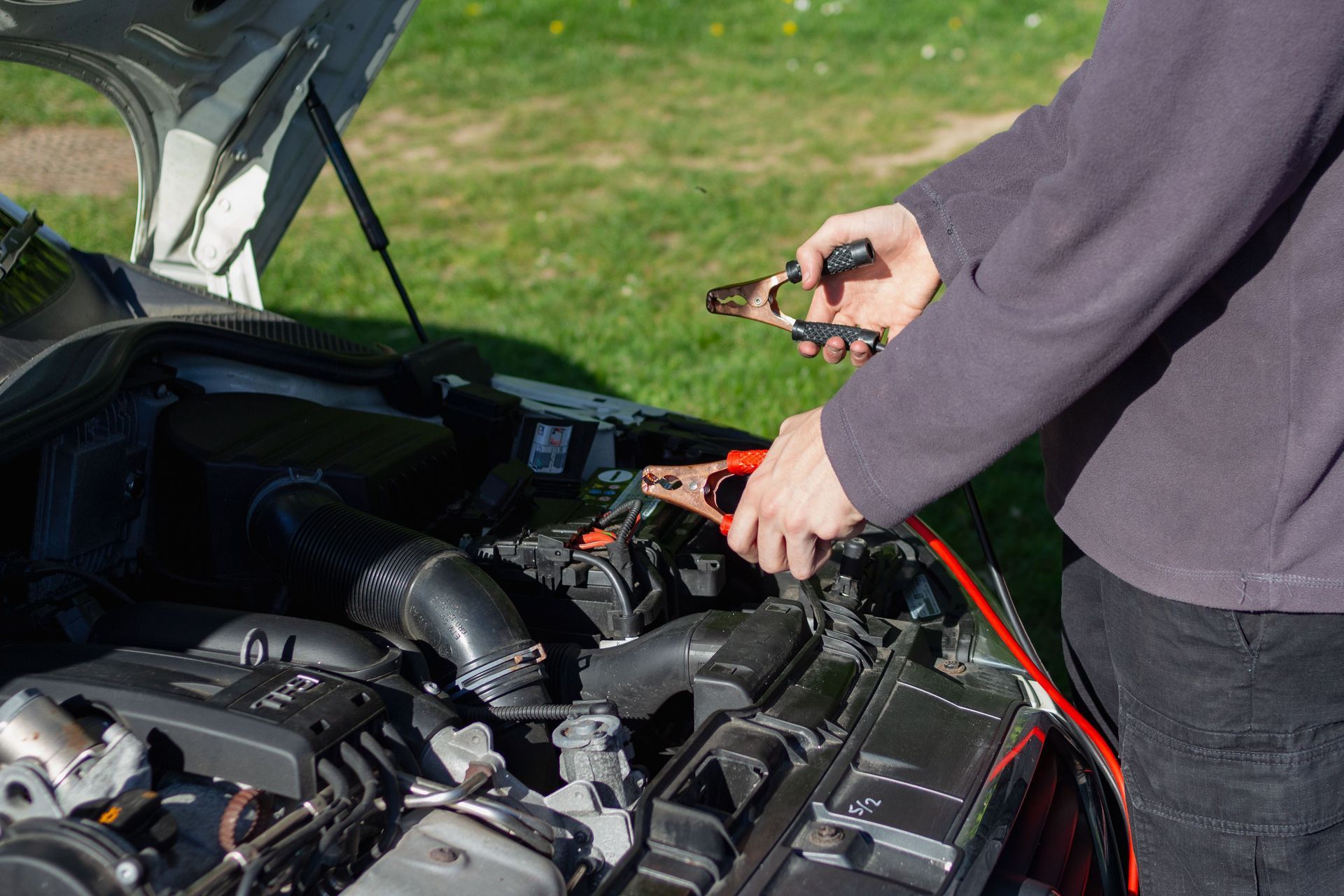
That helps you catch hidden problems early, plan your maintenance budget, and drive with more confidence. Some issues simply don't show up on a test drive, like small coolant leaks, oil seepage, a weak battery, worn suspension parts, or stored fault codes.
When should I get an inspection?
An inspection is especially worth it if:
- There's little or no service history
- You're buying from a private seller
- The car has higher mileage
- The seller says it "just needs a small repair"
- Warning lights are on
- You hear unusual noises or feel vibrations
- You're not sure how well it was maintained
Schedule an inspection in Oceanside
Whether you're shopping for a used German car in North County or just brought one home, we'll give it a thorough look and tell you honestly what we find. German Autowerke has been family-owned in Oceanside since 1989, with ASE-certified techs and German factory diagnostic tools. Learn more about our pre- and post-purchase inspections, or call (760) 721-3321.
FAQ
Can I get an inspection on a car from a private seller?
Usually, yes. Most honest sellers are happy to let you bring the car in. A refusal is a warning sign.
How many miles is too many for a used German car?
There's no magic number. A higher-mileage car with complete records can be a better buy than a low-mileage car that missed services.
Is a post-purchase inspection worth it if the car seems fine?
Yes. Many problems are quiet at first. Finding them early usually means a smaller repair and a clear maintenance plan.
Does a vehicle history report replace an inspection?
No. A history report shows reported accidents and title issues, but it can't tell you about leaks, wear, or fault codes.