How to Find a Trustworthy German Car Mechanic (and Red Flags to Avoid)
A trustworthy German car mechanic is licensed, works on German cars every day, explains problems in plain language, gives you a written estimate before starting, and never pressures you. Check the shop's license with California's Bureau of Automotive Repair, read recent reviews, and ask about certifications, tools, and warranty. If a shop rushes you, won't put things in writing, or can't explain the "why," keep looking.
Finding the right shop takes a little homework, but it pays off for as long as you own the car.
How do I find a good German car mechanic?
Start with these simple checks:
- Make sure the shop is licensed. In California, auto repair shops must be registered with the Bureau of Automotive Repair (BAR). You can look up a shop's license on the BAR website.
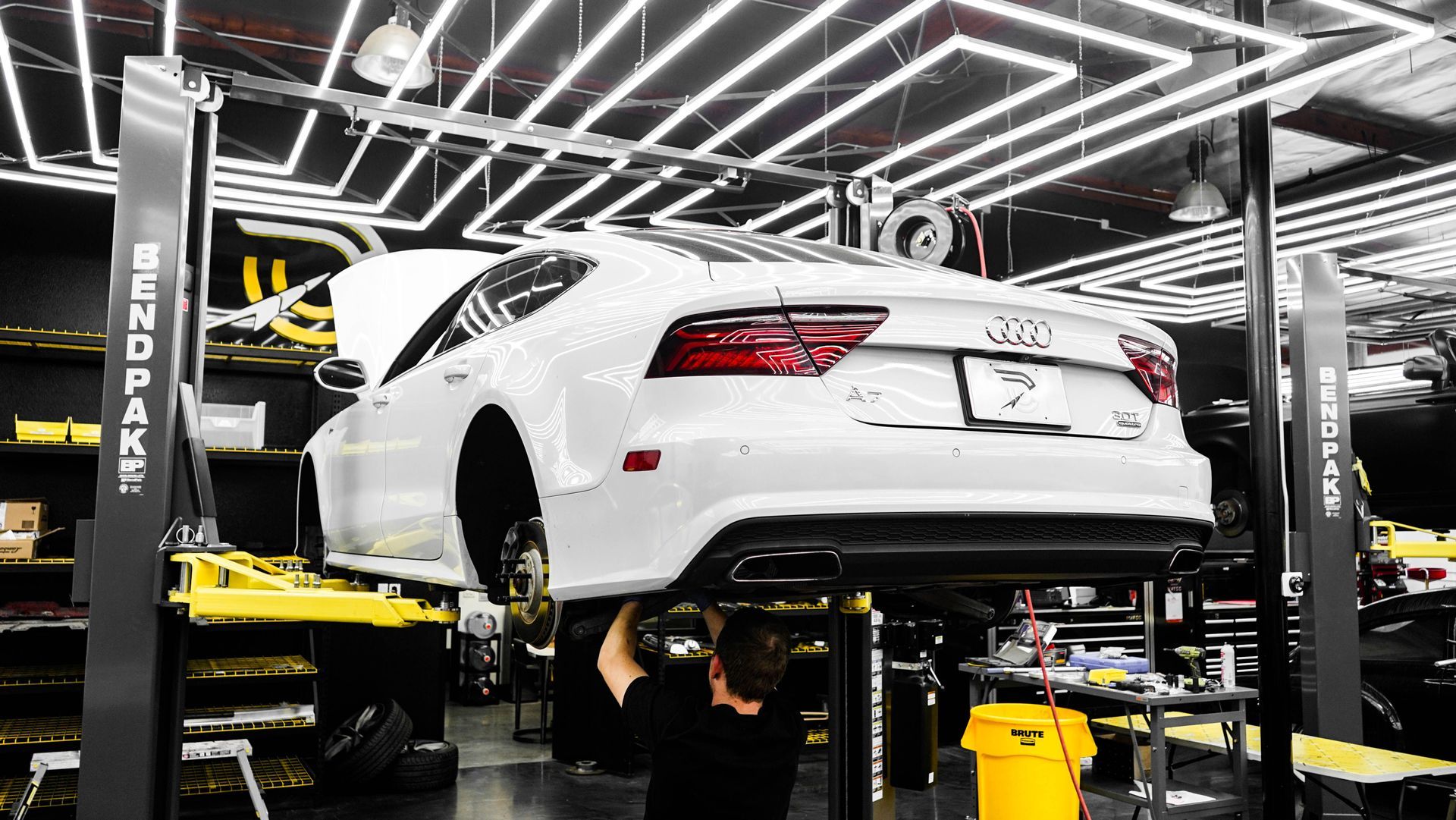
- Ask what they work on. A shop that sees German cars every day knows the common problems and has the right tools.
- Ask about certifications. ASE certification shows a technician has passed industry tests. Brand-specific training is a plus.
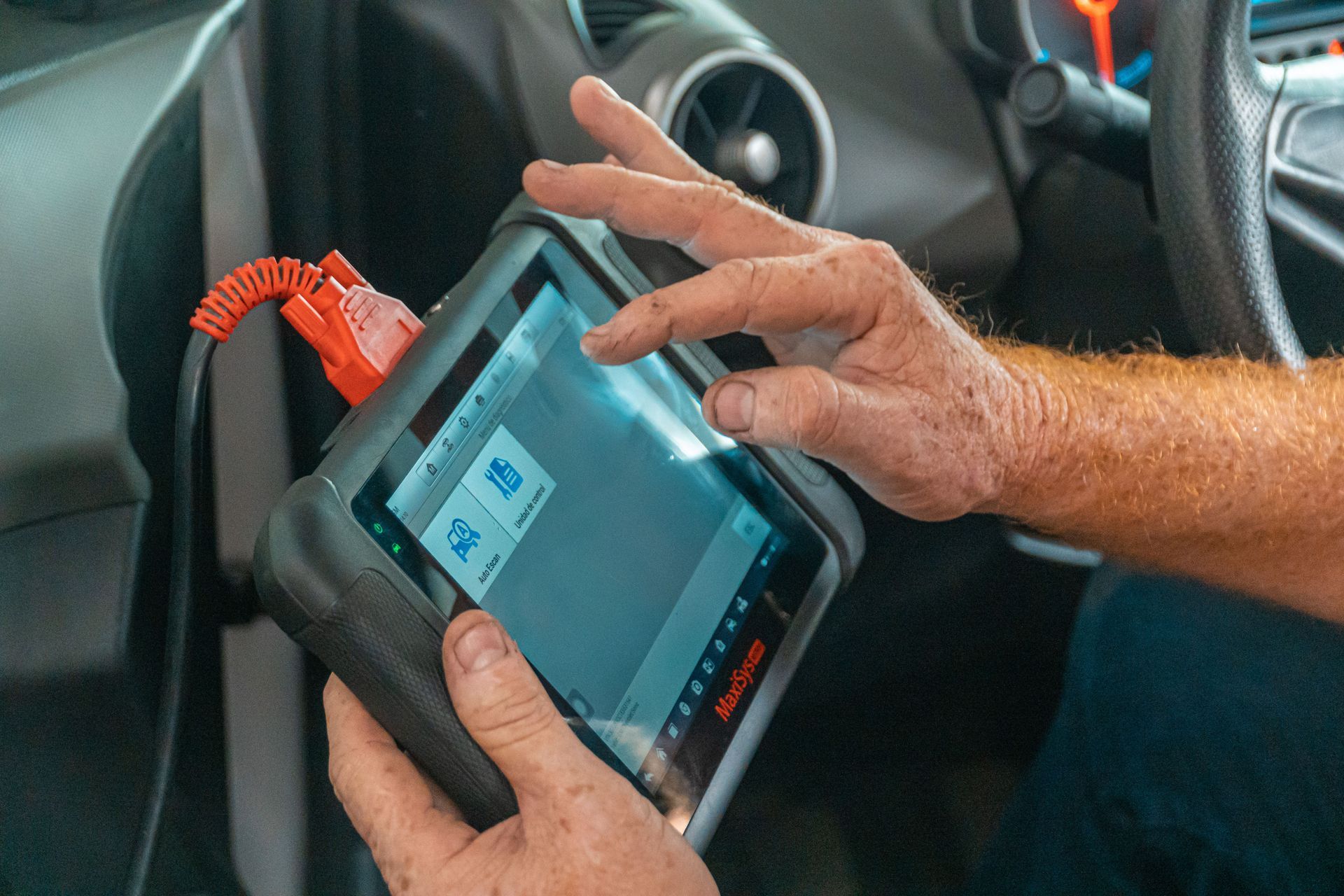
- Ask about diagnostic tools. Factory-level diagnostic tools matter for modern BMW, Mercedes, Audi, VW, MINI, and Porsche models.
- Read recent reviews. Look for patterns. Do people mention clear communication, fair pricing, and problems fixed the first time?
- Ask about the warranty. A shop that stands behind its work will tell you exactly what's covered.
- Start small. An oil service or inspection is a low-stakes way to see how a shop treats you.
Can I trust an independent mechanic with my German car?
Yes, as long as it's the right independent shop. A specialist with factory diagnostic tools and German-car experience can handle most of what your car needs, and using one for maintenance doesn't void your factory warranty. We cover this in more detail in our post on dealer vs. independent German repair shops.
What are the red flags when choosing a mechanic?
Watch out for:
- Pressure to decide on the spot, especially with scare tactics like "it's not safe to drive" without a clear explanation.
- No written estimate. In California, licensed shops must give you an estimate and get your OK before starting work.
- Vague answers. If they can't explain what's wrong and why the repair fixes it, that's a concern.
- A long list with no priorities. A good shop tells you what's urgent, what's coming up, and what can wait.
- Reluctance to show you old parts. You can ask for your replaced parts back, so ask before you approve the work.
- Prices that seem too good to be true. A very low quote can mean cheap parts or a surprise later.
- Guessing instead of testing. Replacing parts one at a time "to see if it helps" gets expensive fast.
What does a good shop do differently?
A good shop explains the problem in plain English, shows you photos or the worn part when it can, and gives you options. It lets you know if something can wait, calls you before doing anything extra, and gives you an itemized invoice at the end. Most of all, you leave feeling like you understood what happened to your car.
Frequently asked questions
How do I know if a mechanic is licensed in California?
California auto repair shops must be registered with the Bureau of Automotive Repair. You can check a shop's license on the BAR website before you book.
What certifications should a German car mechanic have?
ASE certification is a good baseline, and ASE Master certification shows broader experience. Brand-specific training, like BMW certification, and factory-level diagnostic tools are a big plus for German cars.
What are signs of a bad mechanic?
Pressure to decide quickly, no written estimate, vague explanations, and replacing parts without testing first are common warning signs. A good shop explains, prioritizes, and asks before doing extra work.
Is it OK to get a second opinion?
Absolutely. A good shop won't be offended if you want another set of eyes on a big repair.
A German car shop Oceanside drivers can trust
We've been family-owned in Oceanside since 1989, and we'd rather earn your trust than make a quick sale. Our technicians are ASE certified, some are ASE Master certified, and our owner, Vince, is BMW Master certified. See what our customers say on our reviews page. Qualifying repairs are backed by our 4-year/40,000-mile in-house warranty and a 3-year/36,000-mile nationwide warranty for when you're traveling (warranty details).
Call German Autowerke at (760) 721-3321. We're happy to answer questions, even if you're just getting to know us.