DSG Transmission Service: What It Is and How Often You Need It
This is a subtitle for your new post
A DSG is the dual-clutch automatic transmission used in many Volkswagens and Audis (Audi calls its version S tronic). Most DSGs need regular fluid service, even though some people call the fluid "lifetime." Many wet-clutch DSGs are on about a 40,000-mile schedule, some newer ones have longer intervals, and the dry-clutch 7-speed has no scheduled fluid change at all. Check your model, because the right answer depends on which DSG you have.
Here's how a DSG works, what service includes, and the signs it needs attention.
What is a DSG transmission?
DSG stands for direct-shift gearbox. Instead of one clutch, it has two: one for the odd gears and one for the even gears. While you're in one gear, the next one is already lined up, so shifts are very quick and smooth.
There are two main types:
- Wet-clutch DSGs run their clutches in fluid. They're used in cars like the GTI, Golf R, Jetta GLI, and many Audi models. These need regular fluid changes.
- Dry-clutch DSGs (the 7-speed DQ200) are used mainly in smaller, lower-power models. The clutches run dry, and there's no scheduled fluid change, though the gearbox still has oil inside.
How often should a DSG be serviced?
According to Volkswagen Group's own service guidance:
- 6-speed wet-clutch DSG (DQ250): about every 40,000 miles, fluid and filter
- Several Audi S tronic units: about every 40,000 miles
- Some newer 7-speed wet-clutch units: longer intervals, in some cases about 80,000 miles
- 7-speed dry-clutch DSG (DQ200): no scheduled fluid change
Schedules can differ by model, year, and market, so check your owner's manual or service booklet. If you're not sure which transmission you have, we can look it up from your VIN.
Is DSG fluid really "lifetime"?
For most wet-clutch DSGs, no. The fluid cools and lubricates the clutches, and it breaks down with heat and use. Old fluid can lead to rough shifting, clutch wear, and problems with the mechatronic unit, which is the computer and hydraulic control that runs the transmission. Fluid service costs far less than repairing any of those.
Stop-and-go traffic on the 5 or 78, long climbs on the I-15, and hot inland days all add heat, so sticking to the schedule matters here.
What happens during a DSG service?
A proper DSG service usually includes:
- Draining the old fluid
- Replacing the filter, on transmissions that have one
- Refilling with the correct DSG fluid
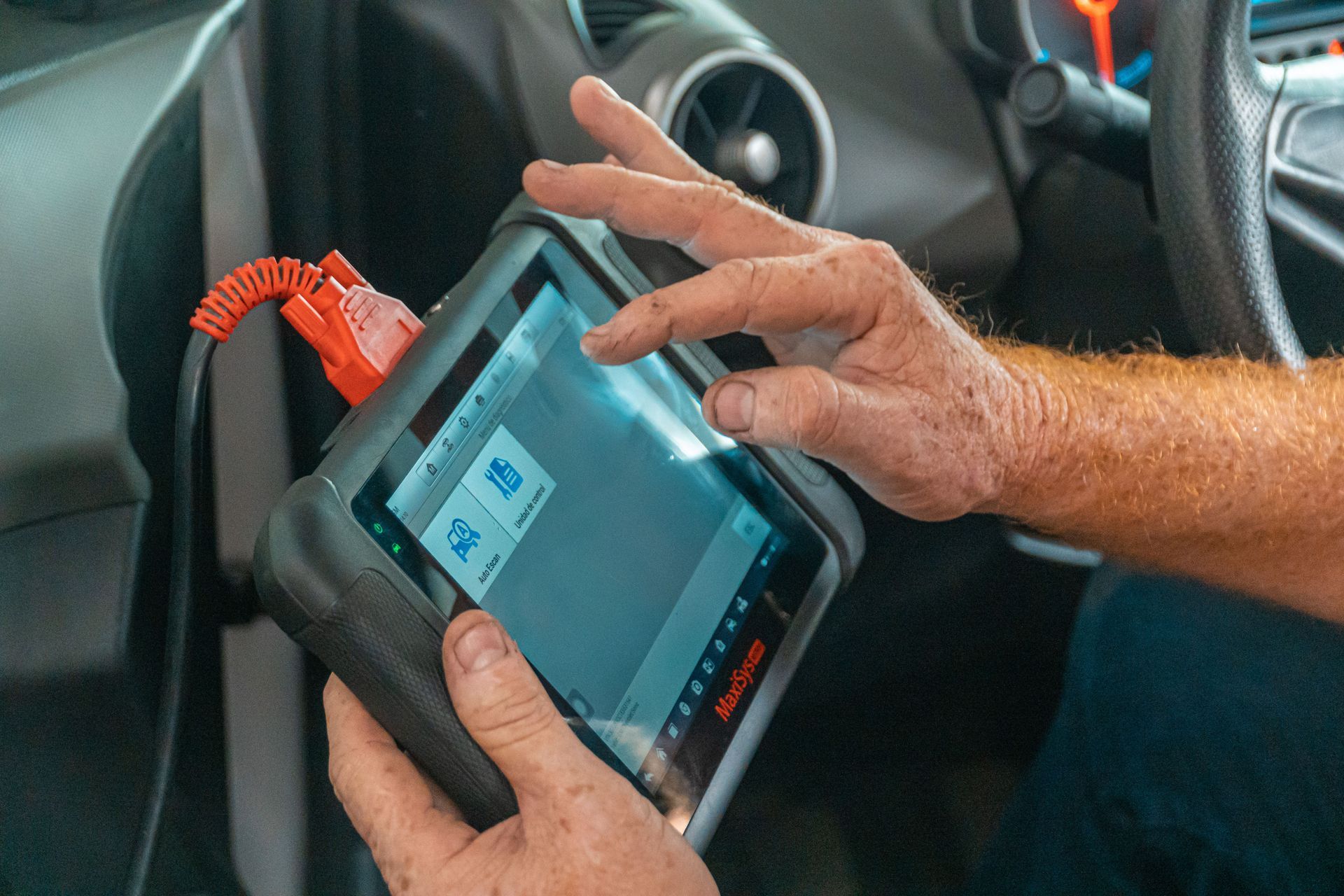
- Setting the fluid level at the right temperature, using a scan tool to monitor it
- Checking for stored transmission codes and, when needed, running clutch adaptations
The fluid level step is where shortcuts cause problems. A DSG has to be filled to a specific level at a specific temperature, which is why this is a job for a shop that knows these transmissions.
What are the signs your DSG needs attention?
- Jerky or harsh shifts, especially at low speed
- Shudder or hesitation when pulling away from a stop
- Delayed engagement when shifting into Drive or Reverse
- Slipping, or the engine revving without the car picking up speed
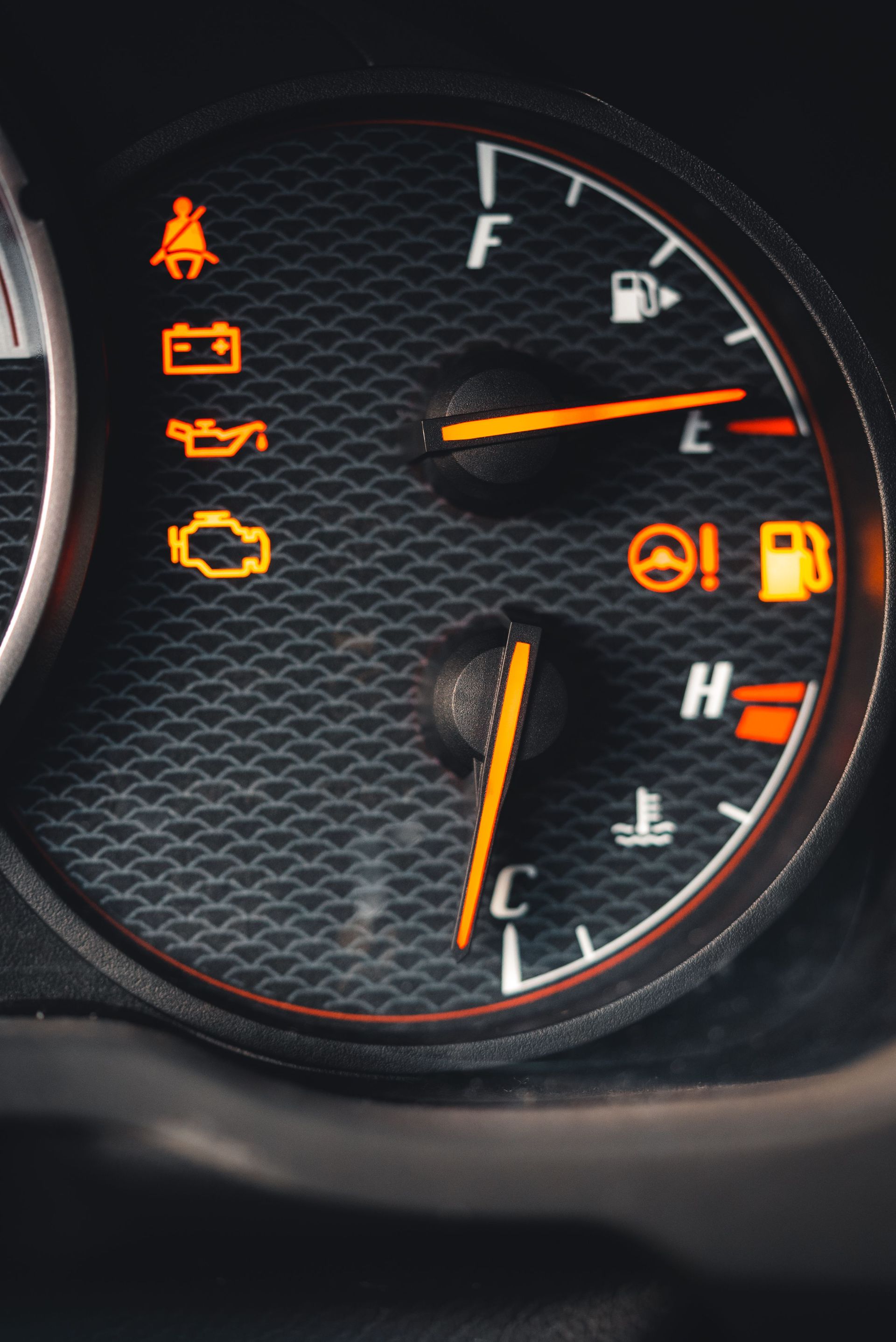
- A transmission warning or a flashing gear display
- Clunking when shifting
- The car going into limp mode
Some of these can come from software or adaptation issues, not just fluid. A proper diagnosis will tell you which. If you're worried the transmission is beyond service, our guide to transmission service vs. transmission replacement explains the difference.
Why go to a German car specialist?
DSGs need the correct fluid, the correct fill procedure, and scan tools that can read the transmission and run adaptations. A general shop may not have all three. We use factory-level diagnostic tools and know how these transmissions are supposed to behave.
DSG service in Oceanside
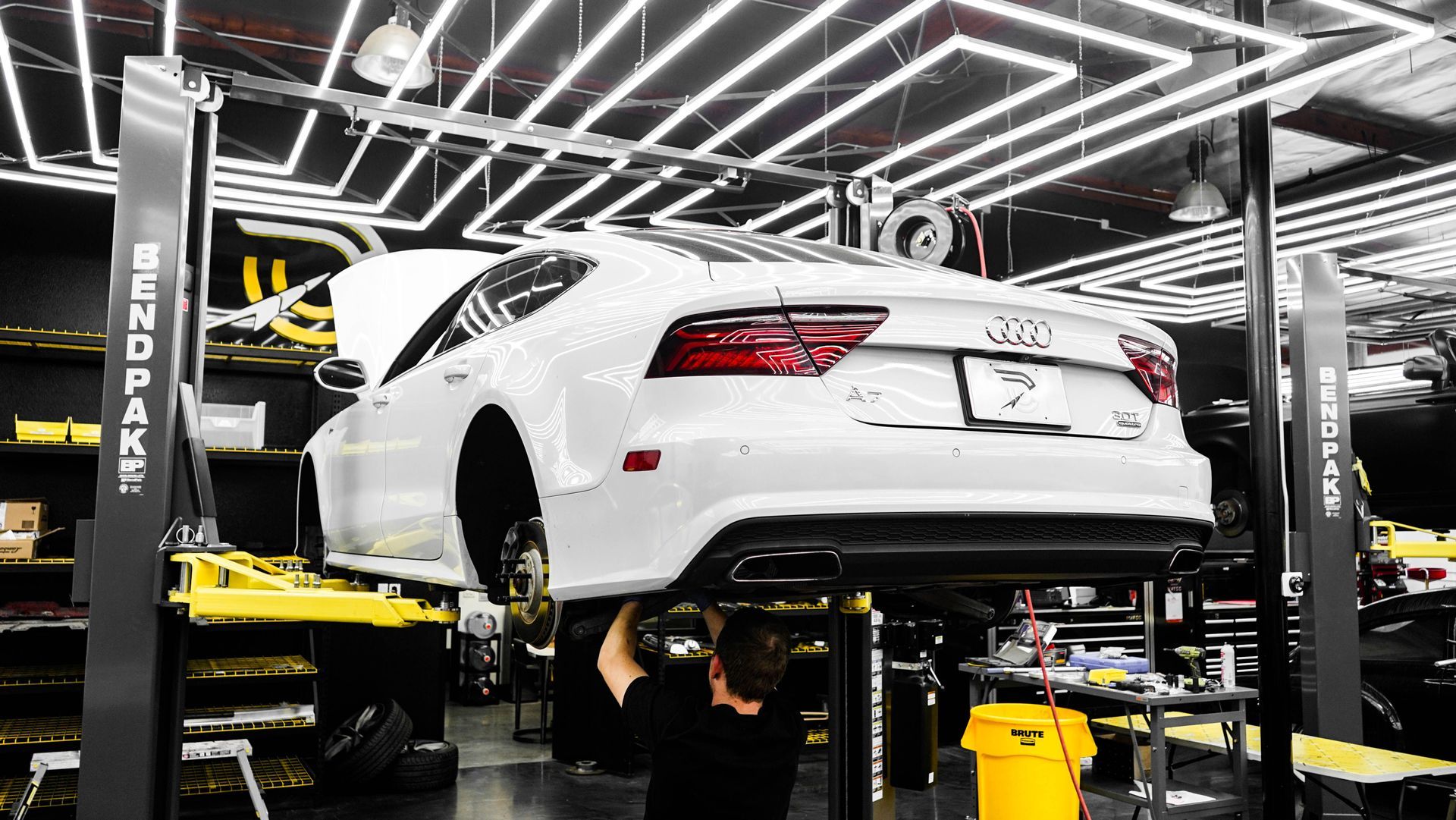
If your VW or Audi is due for DSG service, or it's starting to shift strangely, German Autowerke can help. We're a family-owned transmission service shop in Oceanside that has worked on German cars since 1989, and we'll tell you honestly whether your car needs service now or can wait. Call (760) 721-3321 to schedule.
FAQ
How do I know if my car has a DSG?
Check your window sticker or owner's manual, or look for "DSG" or "S tronic" in the specs. We can also confirm it from your VIN.
Can I skip a DSG service?
You can, but it raises the risk of clutch and mechatronic problems later. Skipping a fluid service to save money now often costs more down the road.
How long does a DSG service take?
It takes longer than a basic oil change, since the fluid level has to be set at the right temperature. Call ahead and we'll give you a time estimate for your car.
Does a DSG need a different fluid than a regular automatic?
Yes. DSGs use specific fluids, and using the wrong one can cause shifting problems.