What Affects the Cost of a German Car Oil Change?
This is a subtitle for your new post
An oil change on a German car usually costs more than one on an everyday economy car, and the price varies a lot from car to car. What you pay depends on four things: the type and amount of oil your engine needs, the filter, your specific car, and what's checked while it's in the shop. Because those vary so much, the best way to know your price is to call for a quote on your car.
Here's what goes into the cost, and how to get the most for your money.
What affects the cost of a German car oil change?
- Oil type. German carmakers require full synthetic oils that meet their own approvals, like BMW Longlife or Mercedes-Benz 229-series specs. Approved oil costs more than generic oil. Learn more in our post on why German cars use synthetic oil.
- Oil capacity. Many German engines hold more oil than a typical small car engine, and larger V6, V8, and performance engines take quite a bit more.
- The filter. Many German cars use cartridge filters that come with new seals and O-rings each time. The right filter for your engine matters.
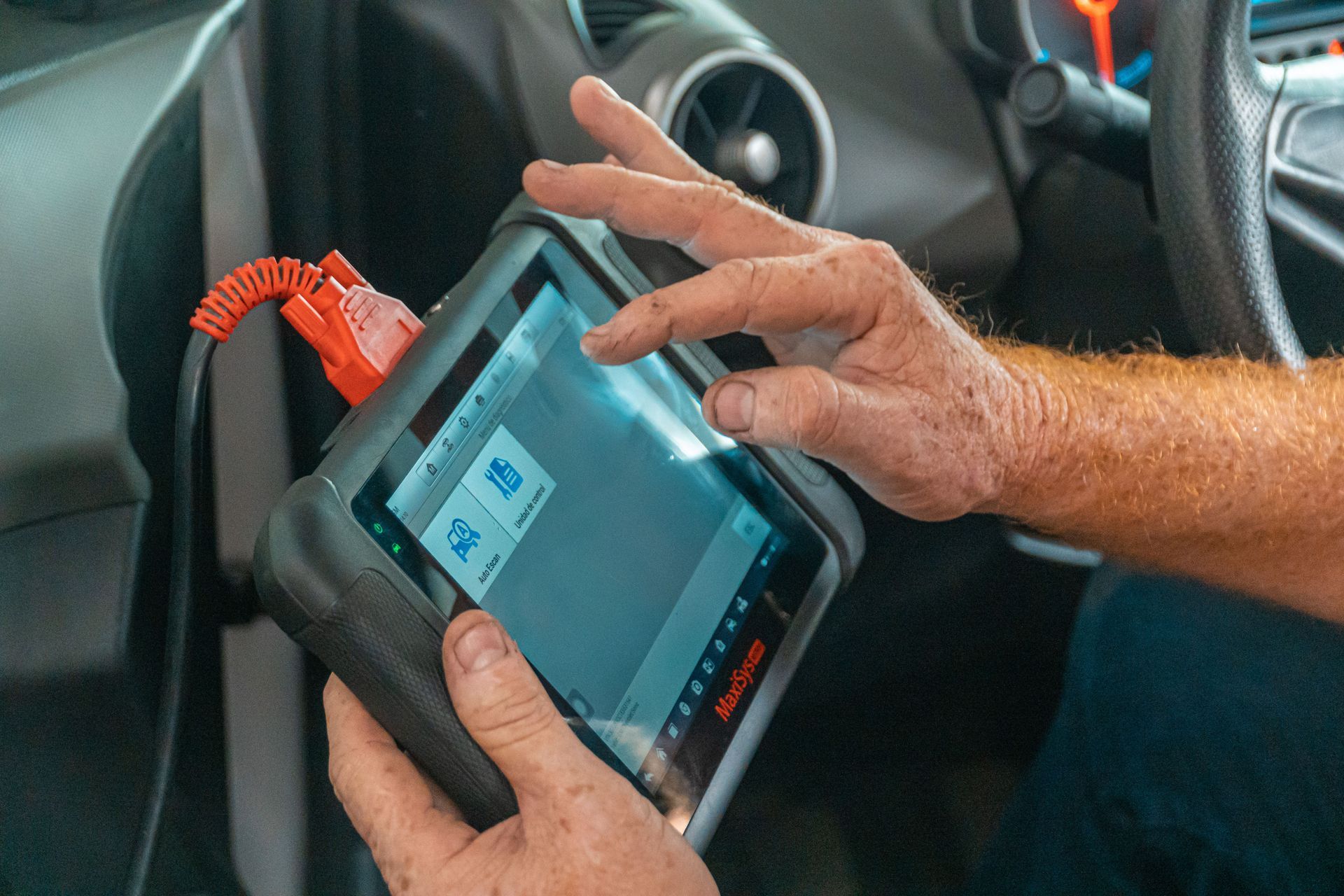
- Your car. Model, engine, and year all change the job. Some cars need underbody panels removed, and many need the service reminder reset with a scan tool or a menu procedure.
- Extra inspection. A good oil service includes a look at fluids, tires, brakes, belts, and leaks. That takes a little time, but it can catch small problems before they get expensive.
In general, small four-cylinder engines cost less to service, while big engines and high-performance models like M, AMG, and RS cars cost more.
Can I save money with a cheaper oil change?
Quick-lube shops may advertise lower prices, but make sure you're getting the oil approval your car actually requires, the right filter, and the right amount. Using the wrong oil can affect engine protection and may cause problems with warranty claims. A cheaper oil change that uses the wrong oil isn't a bargain.
Better ways to save:
- Check for coupons. See our current coupons.
- Bundle services. Have other due items checked at the same visit.
- Follow your car's schedule, not a generic one, so you don't pay for changes you don't need. But don't stretch it too far either.
How often should a German car get an oil change?
Follow your car's service indicator or owner's manual. Many German cars have long factory intervals, but short trips, stop-and-go traffic, heat, and towing are considered harder use. Many owners choose to change oil a little sooner for extra peace of mind, especially on turbocharged engines.
Frequently asked questions
How much is a BMW oil change?
It depends on the model and engine. A four-cylinder BMW takes less oil than a six-cylinder or an M engine, and every BMW needs a Longlife-approved oil and the right filter. Call us with your model and year for a quote.
Why is a Mercedes oil change so expensive?
Mercedes-Benz engines require approved synthetic oil, often in larger amounts, plus a quality filter. Labor and local costs also play a part.
Can I use any synthetic oil in my German car?
No. Use an oil that carries your carmaker's approval for your specific engine. Your owner's manual lists it, and your shop can confirm.
Does an oil change include anything else?
At many specialty shops, an oil service includes a basic inspection of fluids, tires, and other items. Ask what's included.
Oil changes for German cars in Oceanside
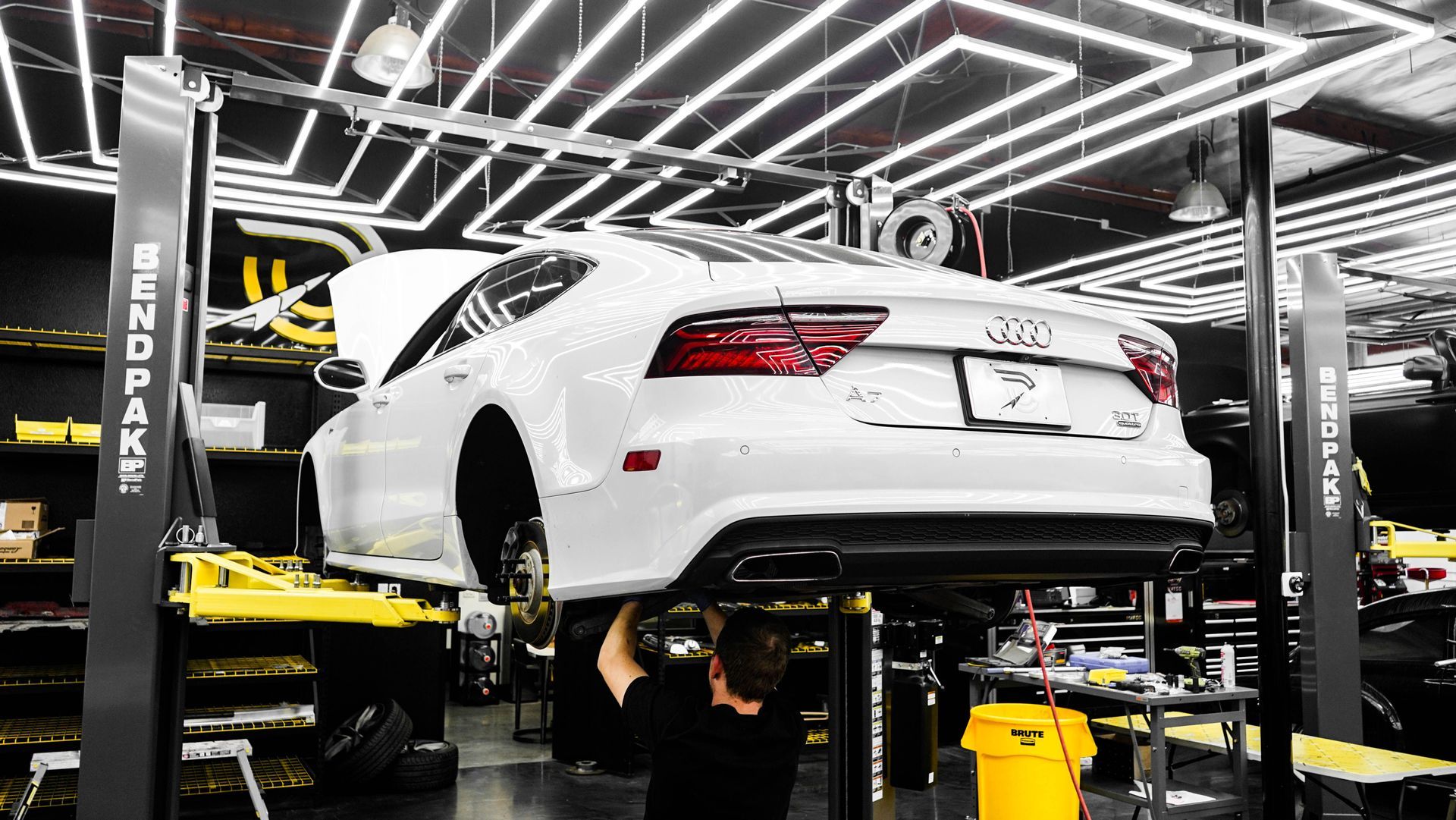
We use the oil and filters your BMW, Mercedes, Audi, VW, MINI, or Porsche calls for, and we'll take a quick look at the rest of your car while it's here. Learn more about our oil change service.
Prices vary from car to car, so we don't list one price for everyone. German Autowerke has been family-owned in Oceanside since 1989. Call (760) 721-3321 for a quote on your car.