VW Timing Chain Problems: Warning Signs, Affected Models, and What to Do
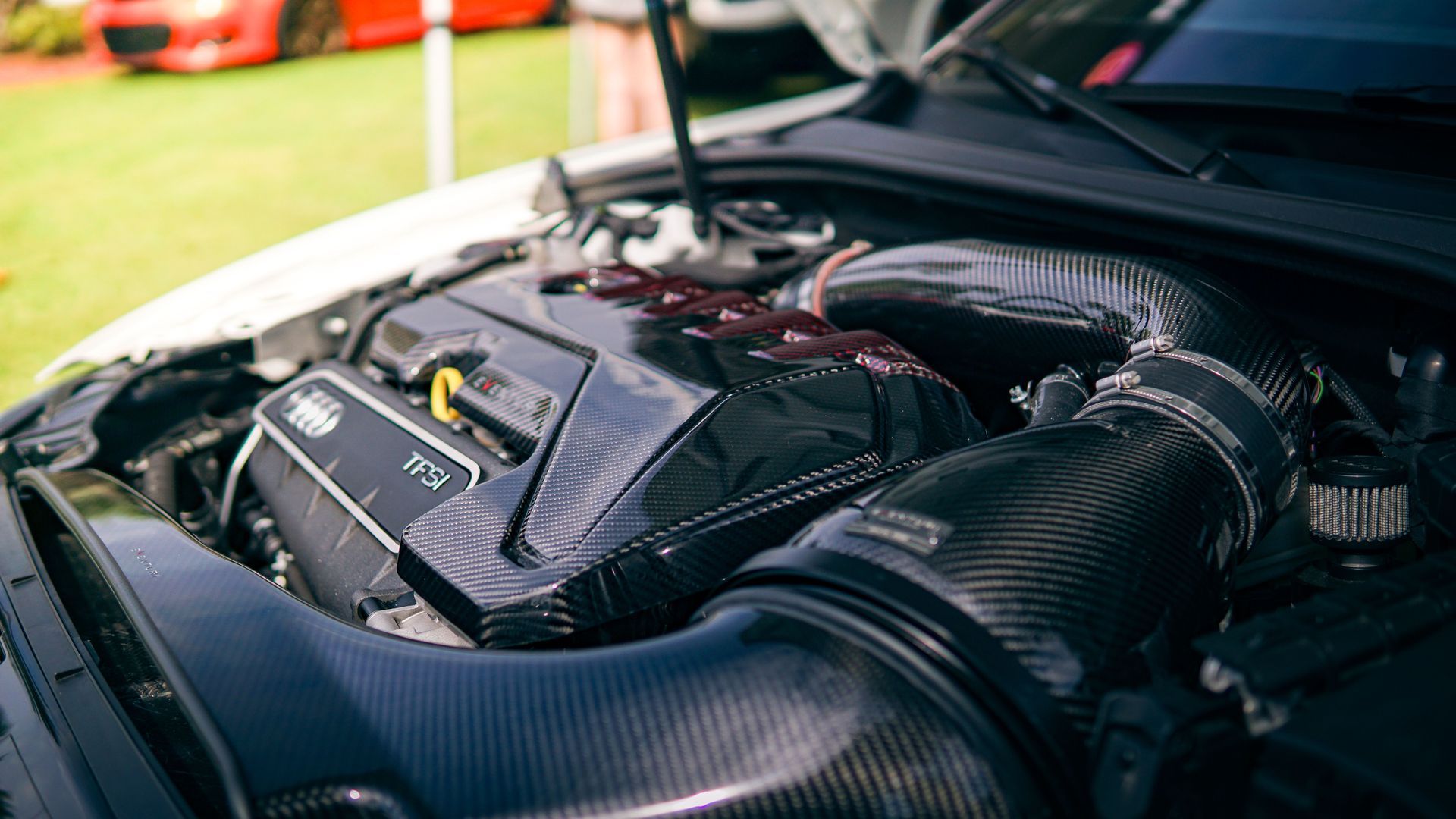
Some Volkswagen models with the 1.8T and 2.0T turbo four-cylinder (VW's EA888 engine) can develop timing chain or chain tensioner problems. That includes the GTI, Jetta, Passat, CC, Tiguan, and Golf R. The most common early warning is a short rattle for a few seconds when you start the car cold. Caught early, this is a planned repair. Ignored, it can lead to serious engine damage.
Here's what to watch for and what to do.
Which VW models have timing chain problems?
Timing chain concerns are tied to the EA888 engine family, not to one model. You'll find it in many popular VWs:
- Earlier EA888 engines (roughly 2008–2012 models), including the GTI, Jetta, Passat, CC, Tiguan, and Eos. The original chain tensioner on these engines is the biggest concern, and VW later released a revised tensioner.
- Later EA888 engines, including newer GTIs, Jettas, Tiguans, Passats, and the Golf R. Tensioner failures are much less common here, but any timing chain can stretch with age, mileage, and poor oil maintenance.
Not every car from those years will have a problem, and some have already had the updated parts installed. Service records or a quick inspection will tell you where yours stands.
Audi uses the same engine family. If you also own an Audi, see our post on Audi 2.0T timing chain problems.
What are the warning signs of a VW timing chain problem?
Watch and listen for any of these:
- A rattle or grinding sound for a few seconds after a cold start
- A check engine light, often with codes for camshaft and crankshaft timing correlation
- Rough idle, hesitation, or a loss of power
- Hard starting or misfires
- An engine that suddenly stalls or won't start
Take the cold-start rattle seriously. It often shows up first and tends to get longer and louder over time.
Why does it matter so much?
The EA888 is an interference engine. That means the valves and pistons share space, and the timing chain keeps them from hitting each other. If the chain jumps a tooth or the tensioner fails, the valves can strike the pistons. That can turn a timing chain job into major engine repair or a replacement engine. The good news is that most chain problems give some warning first.
What causes timing chain wear?
A few things play a role:
- The original tensioner design on earlier engines
- Oil quality and change intervals. The chain and tensioner rely on clean oil. Long gaps between oil changes speed up wear.
- Low oil level. Keeping the oil topped up between changes matters on a turbocharged engine.
- Mileage and driving habits. Short trips and hard driving add up.
How do we check a VW timing chain?
We start by listening to the engine on a cold start, because that's when the rattle shows up. Then we scan the car with factory-level diagnostic tools and look at the engine's own timing data. That can show whether the chain has stretched, even before a code sets. On some engines we can also check the tensioner without taking the front of the engine apart.
If it needs work, we'll show you what we found and talk through the options. A timing chain job usually includes the chain, tensioner, guides, and related parts so you're not doing it twice.
How can I prevent timing chain problems?
- Change your oil on time, using an oil that meets Volkswagen's spec for your engine. Our post on why German cars use synthetic oil explains why it matters.
- Check the oil level regularly and top it up when needed.
- Don't ignore a cold-start rattle or a check engine light.
- If you're buying a used VW, ask for service records and have the timing chain looked at during a pre-purchase inspection.
Worried about your VW's timing chain? We can check it in Oceanside
If your GTI, Jetta, Passat, Tiguan, CC, or Golf R is rattling on startup, have it checked before it gets worse. German Autowerke is a family-owned shop in Oceanside that has worked on German cars since 1989. Our ASE-certified technicians use factory-level diagnostic tools, and we'll give you a straight answer about what your car needs. Qualifying repairs are backed by our 4-year/40,000-mile in-house warranty and a 3-year/36,000-mile nationwide warranty for when you're traveling, subject to terms of coverage (warranty details). Internally lubricated parts like turbos, timing chains, head gaskets and transmissions carry the factory manufacturer warranty unless otherwise noted on your invoice. Call (760) 721-3321 to schedule a visit from anywhere in North County.
FAQ
Is it safe to drive my VW with a timing chain rattle?
It's not a good idea to keep driving for long. A rattle means something is worn, and if the chain jumps, the engine can be badly damaged. Have it checked soon.
How do I know if my VW has the updated tensioner?
Service records may show it. If not, a technician can inspect it. On some earlier engines this can be done without a major teardown.
Do newer GTIs and Golf Rs have timing chain problems?
They're far less likely to have the tensioner failures seen on earlier engines. The chain can still wear over time, especially if oil changes are skipped.
How long does a VW timing chain last?
There's no set replacement interval. Many last a very long time with good oil maintenance. Let symptoms and an inspection decide, not a mileage number.